Line Pressure
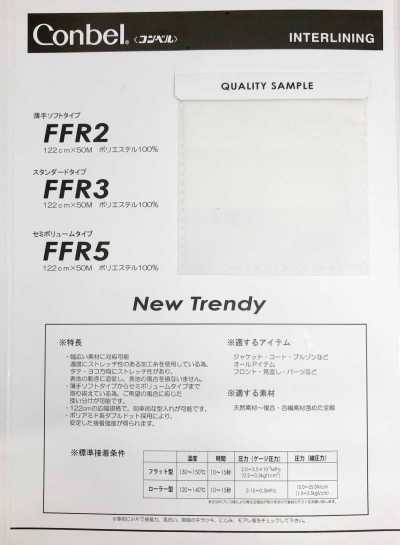
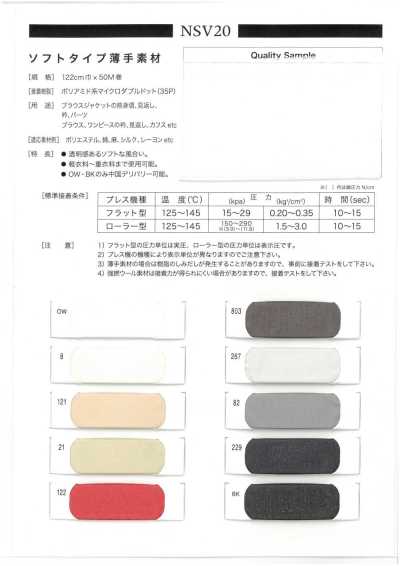
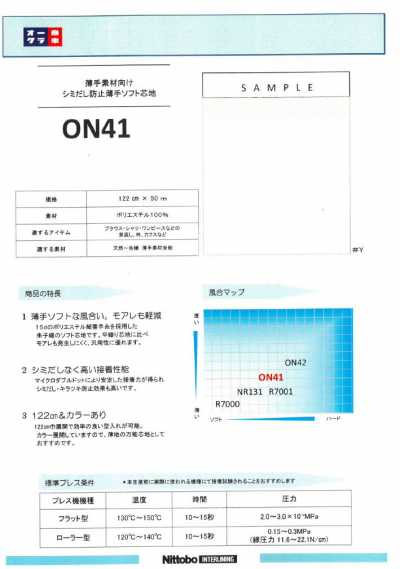
Line pressure is an adhesion condition that indicates the force applied by the press section per unit length in the width direction of the textile when bonding interfacing and outer fabric in an adhesion press machine.
Contents6 sections
Definition and Overview
Line pressure is a control value for pressure used in continuous adhesive press machines, and is generally expressed in newtons per centimeter. It indicates the pressing force applied to layered materials of fusible interlining and outer fabric by heated belts or rollers.
In bonding, the combination of temperature, time, and line pressure is important. If the line pressure is appropriate, the adhesive resin can blend well between the outer fabric and the interlining, making it easier to obtain the required bonding strength and appearance.
Where It Is Used and Its Role
Line pressure is checked in processing for collars, plackets, cuffs, facings, and waist areas where fusible interlining is applied. Because the thickness of the outer fabric and the required firmness differ by area, the proper conditions may change even for the same interlining.
For thin blouse fabrics, the hand and delicate surface are preserved, while for the front body and collar of a jacket, support for the shape is required. By adjusting the line pressure, both insufficient resin bonding and excessive pressing can be avoided.
Effects of Material and Interlining
The line pressure that allows easy blending differs depending on the base fabric structure and adhesive resin type of the interlining, such as woven interlining, nonwoven interlining, and knit interlining. The outer fabric also behaves differently during pressing depending on whether it is thin or thick, woven or knit, or has nap or unevenness.
If strong line pressure is applied to a soft, thin outer fabric, the structure of the interlining or the unevenness of the resin may appear on the surface. On the other hand, with thick materials or materials with surface unevenness, if the line pressure is insufficient, the resin may not bond adequately and may lead to peeling.
- Check the thickness, fabric weight, and surface unevenness of the outer fabric.
- Check the firmness, stretch, and resin type of the interlining.
- Test-bond the layered outer fabric and interlining before making a judgment.
How to Choose and Precautions for Bonding and Sewing
Line pressure should be determined by starting with the specified conditions for the interlining and then testing it with the actual outer fabric to be used. Check the appearance, hand, peeling strength, and the condition after washing or dry cleaning, and adjust the conditions including temperature and time.
If the line pressure is too low, insufficient bonding and bubbling are more likely to occur; if it is too high, resin strike-through, fading, glossiness, and crushing of the outer fabric may result. After bonding, allow sufficient cooling before cutting or sewing to stabilize the adhesive layer.
During sewing, if the bonded area becomes thick and hard, needle holes and puckering may become noticeable. It is important to consider the firmness of the interlining and the overlapping seam allowance, and to check the needle, thread, and sewing conditions in advance.
Differences from Similar Terms
Line pressure is a value that indicates the pressing force per unit width. In contrast, gauge pressure is the pressure displayed in a machine's pneumatic system and does not mean the same thing. Depending on the model, both may be listed as bonding conditions.
Bonding conditions do not refer only to line pressure. It is a general term for the control conditions combining temperature, time, and pressure. Peeling strength, on the other hand, is a test value used to evaluate the strength of the bond after adhesion, and it is distinguished from the line pressure set during pressing.
Frequently Asked Questions
Does increasing line pressure always improve bonding strength?
Not necessarily. Excessive line pressure may cause resin strike-through, fading on the outer fabric, or a decrease in hand. Based on the specified conditions for the interlining, adjust by checking the appearance and peeling strength in combination with the outer fabric.
Should I check gauge pressure or line pressure?
Check both. Gauge pressure is the pressure display on the machine side, while line pressure is the force per unit width applied to the textile. Because the relationship differs depending on the model and the structure of the press machine, follow the instructions for the machine in use and the recommended conditions for the interlining.
What should I do if the surface of the outer fabric looks hard after bonding?
Possible causes include line pressure that is too high, excessive temperature or time, or the interlining being too firm for the outer fabric. Rather than lowering only the line pressure, test the conditions step by step, including the selection of the interlining.