Haura
Haura is a kimono term referring to the lining used on the inside of a haori, or the pattern applied to that lining. It improves slip when putting on and taking off the garment, and serves to protect the outer fabric and add decorative appeal.

Contents6 sections
Definition and Overview
Haura is a term for the lining attached to the inside of a haori, and is also called haori lining. In kimono wear, the way the inside looks is part of the overall appearance, so fabrics with patterns or designs, not just solid colors, may be used.
Haura is not the name of a material or weave; it is mainly a term for the lining part and application used in a haori. Even the same fabric is treated as haura when used for the lining of a haori.
Where It Is Used and Its Role
Haura is mainly used on the inside of the body of a haori, and depending on tailoring specifications, a lining of the same type may also be used on the inside of the sleeves. By covering the inside of the outer fabric, it makes seam allowances less visible and helps prevent the outer fabric from rubbing directly during wear.
It also reduces friction between the outer fabric and the kimono, making it easier to put on and take off the haori. In addition, when the outer fabric is thin, it helps reduce show-through from the inside and gives the whole garment a neater appearance.
Material and Design Types
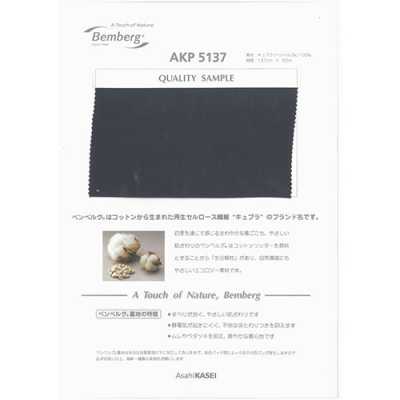
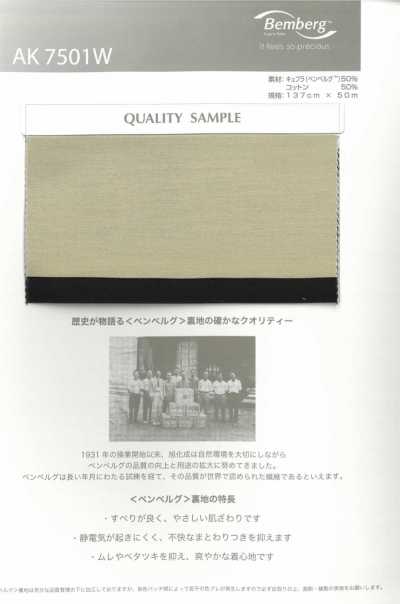
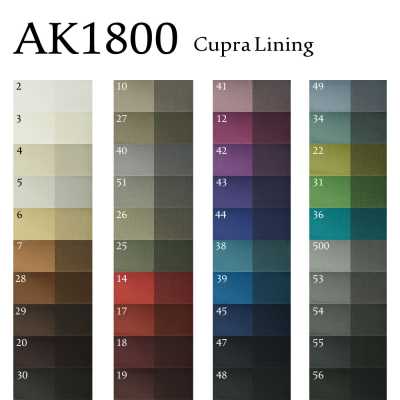
For haura, smooth fabrics with good slip are often chosen, and silk, cupro, rayon, and polyester are used. Because slip, moisture absorption, ease of handling, and sheen differ by material, the choice is made according to the application and the outer fabric.
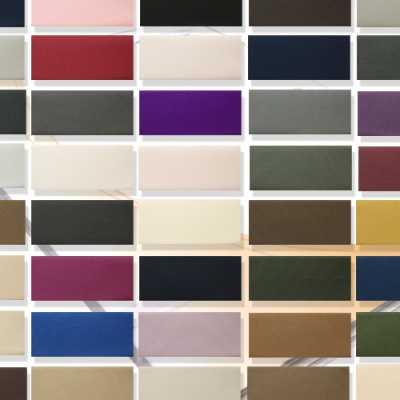
In addition to solid haura, there are versions with patterns created by yarn dyeing, printing, or Jacquard. Using decorative designs on the inside, which are not easily seen from the outside, is one of the unique pleasures of a haori.
- Silk: used when suppleness and sheen are priorities.
- Cupro and rayon: considered when drape and slip are desired.
- Polyester: used when ease of handling and dimensional stability are priorities.
- Jacquard and print: suitable when you want the inner pattern to serve as a design feature.
How to Choose and Points of Caution
If the haura is too heavy or too stiff compared with the outer fabric, it can affect the drape and appearance of the haori when worn. Check the thickness, firmness, sheen, and sheerness of the outer fabric, and choose a thickness and softness that will not detract from its texture.
Slip affects ease of putting on and taking off, but fabrics with excessive slip may shift easily during tailoring. For stretchy outer fabrics, if the haura does not have enough stretch, it can put stress on the seams, so check the combination including ease of movement.
With light-colored or thin outer fabrics, the color or large patterns of the haura may show through on the outside. Check for show-through with the fabrics layered together, and adjust the contrast of color or pattern as needed.
Sewing Considerations and Differences from Similar Terms
Before cutting, check the grain line, shrinkage tendency, and pattern direction of both the outer fabric and the haura. For patterned fabrics, how the pattern matches at the left and right sides and the center back affects the finished result, so required pattern matching should be decided in advance as part of the specifications.
In sewing, be careful about puckering caused by differences in size or stretch between the outer fabric and the haura. Finish seam allowances so they do not show through the outside, and at the hem and sleeve openings, take the turn and ease of the outer fabric into account so the outer fabric does not pull.
Body lining generally refers to the lining for the body of a kimono, and sleeve lining refers to the lining for the sleeve portion. Haura differs in that it refers to the lining used for a haori. In addition, hakkake is the lining used around the hem of an awase kimono and similar garments, and it differs from haura in the garment and area where it is used.
Frequently Asked Questions
Are haura and body lining the same?
No, they are not the same. Haura refers to the lining used in a haori, and is also called haori lining. Body lining is mainly the lining used for the body section of a kimono. Both are linings, but the garment and tailored area they apply to are different.
Does haura need to stretch as much as the outer fabric?
If the outer fabric is made of a stretchy material, a large difference in stretch between it and the haura can put stress on the seams during wear and sewing. Check the stretch direction and ease of movement of the outer fabric, and if necessary choose a lining that follows stretch more easily.
What should you watch for when choosing patterned haura?
Check the direction of the pattern, pattern matching at the center back and left and right sides, and show-through to the outer fabric. The size and darkness of the pattern also affect the amount of fabric needed and the cutting layout. It is important to layer it with the outer fabric as a test and judge it, including the positions visible when worn.