Hardanger
Hardanger is a whitework embroidery technique that creates geometric openwork patterns by counting the weave and pulling out fabric yarns, then working the remaining threads with overcast embroidery.
Contents6 sections
Definition and Overview
Hardanger is a type of openwork in which embroidery is worked on evenly woven fabric, some warp or weft threads are cut out, and the remaining threads are overcast. The classic expression uses white thread on a white ground, but the color pairing of fabric and thread can be chosen according to the intended use.
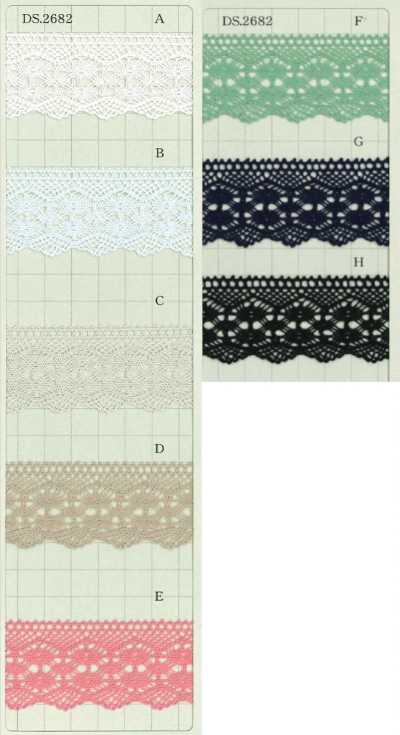
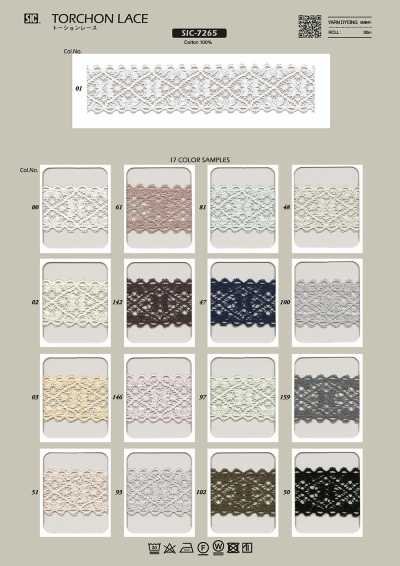
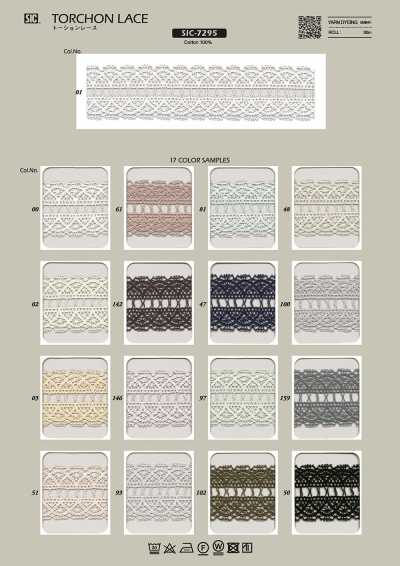
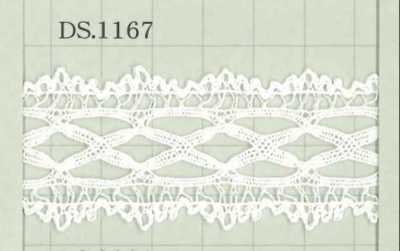
It is sometimes treated as lace, but it is not lace itself, which creates mesh by knitting or weaving thread. Its defining feature is that it uses woven fabric as the base cloth and creates openwork through embroidery and thread removal.
Method and Materials
In general, a plain-weave fabric with easily countable warp and weft threads is used. Block-shaped embroidery is worked along the weave, the threads inside are cut, and the remaining thread bundles are overcast to complete the pattern. Because there is a cutting step, confirming the thread count is especially important.
Linen, cotton, and other stable woven fabrics with clearly visible weave are used for the base cloth. The embroidery thread is selected to match the weave of the base cloth and the thickness of the thread bundles, so that the overcast areas do not sink in and the thread does not split easily.
- Select fabric with an even weave and threads that are easy to count.
- Apply fray prevention and finish the edges before and after cutting.
- Manage the order of embroidery, thread cutting, and overcasting according to the design.
Visual Characteristics
Geometric motifs such as squares, diamonds, and crosses, along with regular open areas, appear. The contrast between the dense areas created by embroidery and the light areas made by overcasting the removed threads gives a neat and delicate impression.
The sheerness and appearance change depending on the thickness of the embroidery thread, the density of the overcasting, and the area removed. A larger weave in the base cloth makes the work easier, but it also tends to make the open areas wider, so a balance with the intended finished use is necessary.
Main Applications
In apparel, it is used for partial decoration such as collars, cuffs, and hems on blouses and dresses. Because the openwork pattern can be emphasized, design planning should also consider how the skin and any fabric layered underneath will be visible.
It is also used for interior items such as tablecloths, runners, and cushions. It is suited to uses where the pattern can be displayed flat, but reinforcement and placement considerations are needed in areas subject to frequent friction or heavy load.
Selection and Handling Precautions
Select the base cloth after checking for stretching or distortion before and after embroidery. Hardanger itself is not a technique intended for stretch, but a loosely woven base cloth or the areas where threads have been removed may change shape when pulled. Consider backing or reinforcement as needed.
Fraying may progress from the ends of cut fabric threads or from areas with insufficient overcasting. Follow the care label on the product when washing, and choose a method that does not place stress on the openwork areas, such as using a laundry net and avoiding snags. After washing, reshape and dry flat or in the shade.
- Check the wash durability and colorfastness of the base cloth and embroidery thread in advance.
- Avoid strong pulling on the openwork areas and contact with sharp objects.
- When ironing, use a pressing cloth so as not to flatten the dimensionality of the embroidery or the overcasting.
Frequently Asked Questions
What is the difference between Hardanger and lace?
Hardanger is a technique in which embroidery is worked on a base cloth such as plain weave, and openwork patterns are created by removing fabric threads and overcasting them. Its pattern construction differs from lace, which creates an independent mesh by knitting, weaving, or braiding threads.
What kind of fabric is suitable for Hardanger?
Plain-weave fabric with evenly woven threads and easy-to-count warp and weft counts is suitable. Linen and cotton are commonly used. If the fabric is too coarse, the open areas may spread more easily; if it is too dense, thread removal and overcasting may become difficult.
Can Hardanger embroidery be washed?
It depends on the combination of base cloth and embroidery thread, as well as the construction method. Even if the materials are washable, the openwork areas are prone to snagging, so care such as using a laundry net and washing gently is necessary. Always give priority to the product care label.