Quenching
Quenching is a heat treatment that primarily involves heating steel scissors, needles, and similar tools and then rapidly cooling them to increase hardness and improve wear resistance at the blade edge and needle tip.
Contents6 sections
Definition and Overview
Quenching is a heat treatment that involves heating steel to an appropriate temperature and then rapidly cooling it with water, oil, or similar media to obtain hardness. It is used for cutting scissors, sewing needles, rotary tools, and similar items to help maintain sharpness and tip shape.
Quenched steel becomes harder, but depending on the conditions, it can become more prone to cracking or chipping. For this reason, it is often finished by combining it with tempering, which balances hardness and toughness.
Use in Craft Supplies
In dressmaker’s shears and thread snips, the blade or the entire tool may be quenched to suppress loss of sharpness due to wear. Good cutting performance also helps cut fabric without crushing it and reduces fraying at the edge and cutting misalignment.
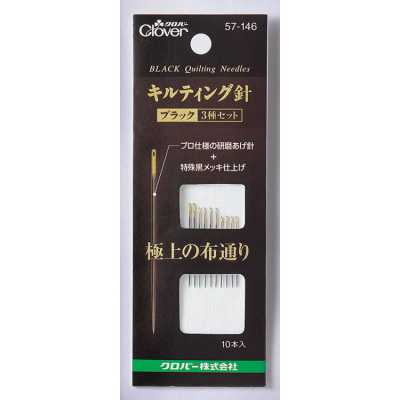
In sewing needles and machine needles, quenching and tempering are used to ensure the strength of the needle shaft and tip. However, if the needle is used in a way that does not match its thickness, the fabric thickness, or sewing speed, bending or breakage can still occur even after quenching.
For high-speed rotating parts such as fully rotating rotary cutters, quenching may be applied with attention to wear and deformation. Also check whether the blade can be replaced, the standard for replacement blades, and the material to be used with it.
Types and How to Choose
Quenching includes methods that harden the entire tool as well as methods that harden only the necessary areas, such as the blade edge or tip. The range treated varies by product, so it is important not to judge performance solely on whether it has been quenched.
When choosing scissors, in addition to the quenching indication, check the blade length, blade shape, and ease of handling of the grips suitable for the intended use. Using delicate scissors for thin fabrics to cut thick paper or hard accessories can lead to chipping and reduced sharpness.
Needles are selected according to the type and thickness of the fabric, the thread used, and whether the work is done by hand or by machine. Even with hardness from quenching, if the needle hole size or tip shape does not suit the application, the fabric may be damaged or skipped stitches may occur.
- Do not use fabric scissors on paper or metal items.
- Check needles for bending, tip wear, and rust, and replace them as needed.
- Keep the blade of a rotary cutter retracted and always use it on a cutting mat.
Care and Safety Notes
Even quenched tools can develop rust or dirt if moisture, sweat, water, adhesives, or similar substances remain on them. After use, wipe them with a dry cloth, oil movable parts of scissors lightly if necessary, and store them in a dry place.
If you force dull scissors to continue cutting, they can damage the fabric and may also require extra force that could injure your hand. For products that can be resharpened, consider professional sharpening; if there is chipping or significant deformation, stop using them.
Quenching is a process that changes the internal structure of metal, and attempting it at home without proper knowledge can cause burns, fire, or damage. For reprocessing or repairing tools, follow the instructions for the product in question or consult a specialist.
Differences from Similar Terms
Quenching is a heat treatment used to increase hardness. Tempering refers to the process of reheating and cooling after quenching to reduce excessive hardness and brittleness. In practical tools, performance is generally adjusted in a state where both processes are combined.
Annealing is a heat treatment that softens metal to make it easier to process or reduces distortion caused by processing, and its purpose differs from quenching. Also, the notation yakii re is a variant spelling of quenching and does not mean a different process.
Frequently Asked Questions
Do quenched scissors not rust?
Quenching is mainly a treatment to obtain hardness and wear resistance, and it is not a treatment that completely prevents rust. Depending on the material and surface finish, corrosion resistance may also be considered, but wiping and dry storage after use are necessary.
Can scissors with quenching be used to cut paper?
Scissors used for fabric cutting should not cut paper, regardless of whether they are quenched. Fine particles and hard foreign matter in paper can wear down the blade edge and affect the sharpness and cut surface when cutting fabric.
If a quenched needle breaks, can it be sharpened and used again?
Because the tip shape and condition of the needle hole affect sewing quality, needles that have bent or broken should generally be replaced. Polishing can change the condition of the tip and surface, which may cause fabric damage, thread breakage, or skipped stitches.