Auspicious Motifs
Auspicious motifs are traditional patterns based on plants, animals, vessels, geometric forms, and other subjects, expressing wishes for happiness, longevity, prosperity, and other good omens.
Contents6 sections
Definition and Overview
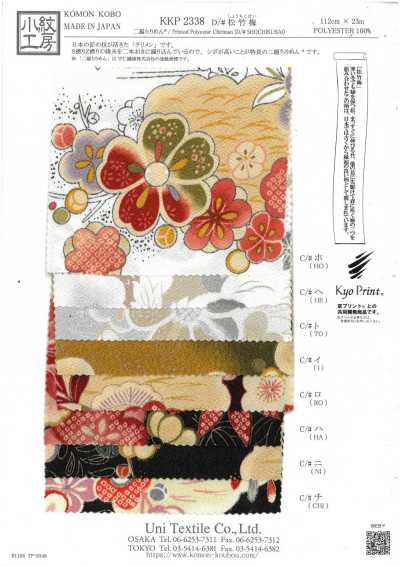
Auspicious motifs are a general term for patterns that express wishes for good fortune. They are used in clothing, fashion accessories, interior decor, and more, and in addition to the design itself, the meaning associated with the motif also becomes part of the design element.
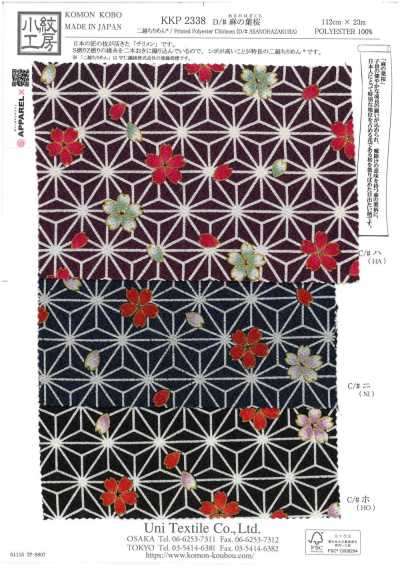
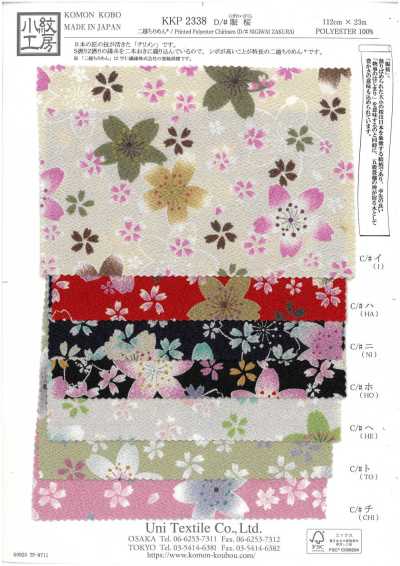
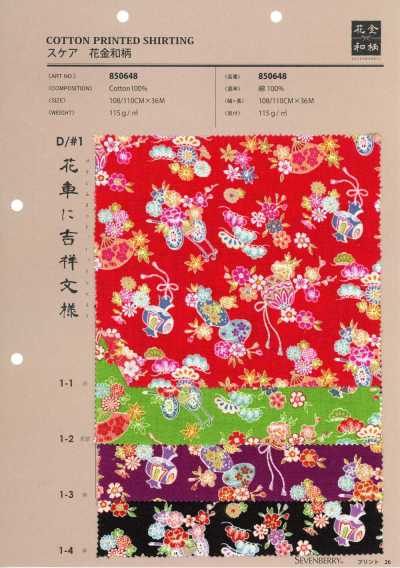
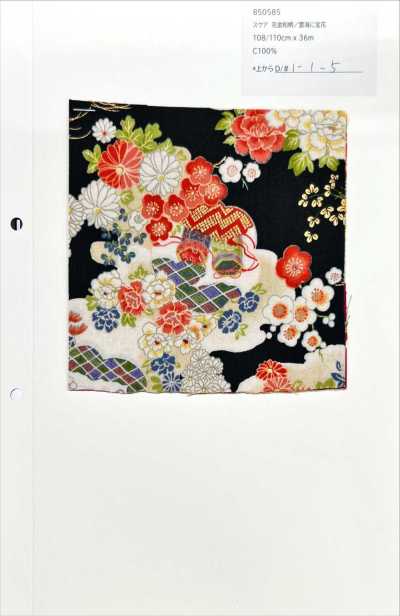
They are expressed through dyeing and printing, as well as woven patterns, embroidery, foil, and more. Even for the same auspicious motif, the impression changes depending on the material, color scheme, pattern size, and expression technique, ranging from festive elegance to a more casual everyday feel.
Motifs and Naming
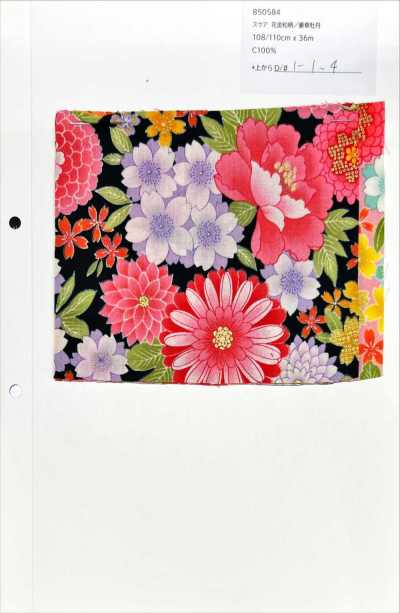
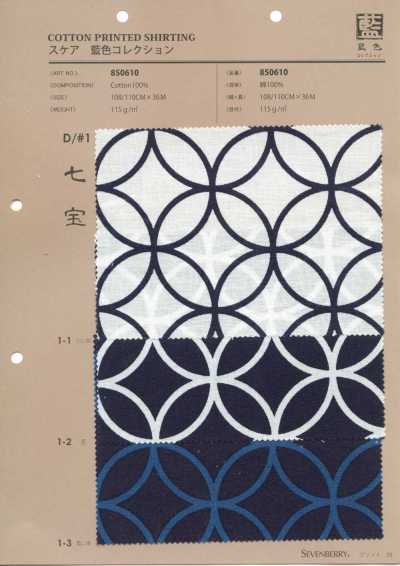
Representative motifs include peonies, which wish for wealth and prosperity; arabesque patterns, associated with vitality and prosperity; and shippo-tsunagi, which represents harmony and connections. Subjects range widely, from plants, birds and animals, treasures, and nature to continuous geometric patterns.
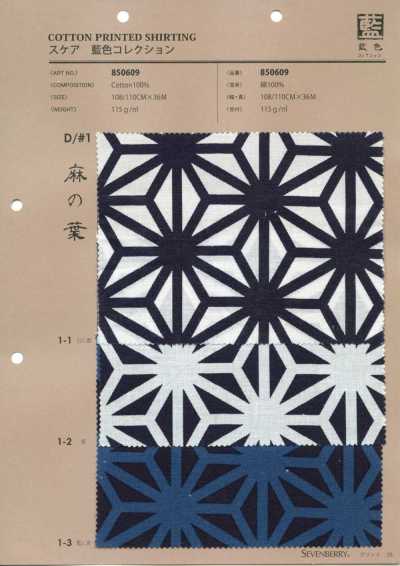
Auspicious motifs are not individual pattern names, but a general term for patterns that carry lucky meanings. For example, seigaiha, asanoha, kikko, and takara-zukushi are each individual pattern names, and are treated as auspicious motifs depending on their meaning and the combinations in which they are used.
- Plant-based: peony, plum blossom, pine, bamboo, arabesque, etc.
- Nature and geometric: seigaiha, kikko, shippo-tsunagi, ryuhi, etc.
- Vessel and treasure-based: takara-zukushi, etc.
- Animal-based: crane, turtle, phoenix, etc.
Applications and Seasonality
In addition to kimono, yukata, jinbei, obi, and bags and pouches as Japanese-style clothing and accessories, these motifs are also used in dresses, blouses, stage costumes, bags, pouches, cushion covers, and more. Large patterns work well for items meant to stand out, while small all-over patterns are easy to use for accessories and linings.
Many auspicious motifs are used year-round, while patterns based on flowers or seasonal nature carry a sense of seasonality. When planning, confirming not only the meaning of the motif but also the time of wear, intended use, color scheme, and Japanese-style customs helps ensure the pattern use matches the intended design.
Fabric Selection and Cutting Considerations
The way a pattern looks changes greatly depending on the fabric's drape, surface texture, and color appearance. Fine continuous patterns are relatively easy to handle, while large patterns and those with metallic accents should be selected with the finished garment in mind so that the impression is not interrupted at seams or seam changes.
For patterns with an up/down direction, all pieces should be cut with the same orientation. For symmetrically matched front panels, collars, pockets, facings, and similar parts, confirm the placement of the main motif. Because it is necessary to cut across the pattern repeat, allow more yardage than for solid fabrics.
- Unroll the fabric and check the pattern direction, pattern size, and repeat in advance.
- Check whether the main motif is not cut awkwardly at the center front, side seams, center back, or neckline.
- If matching the pattern position on the left and right body panels or pockets, add extra yardage for pattern matching.
- Before cutting, mark reference lines and notches for pattern placement on the pattern pieces, and share them in the sewing instructions.
Differences from Similar Terms
Wagara is a broad term for patterns centered on traditional Japanese designs. Auspicious motifs are a category within wagara that focuses especially on motifs and compositions with meanings such as blessing and prosperity. Not all wagara are necessarily auspicious motifs.
Komon generally refers to a design with small repeated patterns or to a type of kimono. Auspicious motifs, on the other hand, are named according to the meaning conveyed by the pattern rather than the pattern size or layout. There are also auspicious motifs arranged in komon style.
Frequently Asked Questions
What is the difference between auspicious motifs and wagara?
Wagara is a broad term that includes traditional Japanese designs, while auspicious motifs refers to patterns within that group that carry lucky meanings such as happiness, longevity, and prosperity. Some patterns, such as arabesque and shippo-tsunagi, are both wagara and auspicious motifs.
What should be checked when cutting fabric with auspicious motifs?
Check whether the pattern has an up or down direction, how large the pattern repeat is, and whether the pattern must be matched on the left and right body panels or pockets. With large patterns, motifs can easily be cut through at the center or seams, so determine the pattern placement before calculating the required yardage.
Can auspicious motifs be used regardless of season?
Some continuous patterns and treasure motifs are easy to use year-round, but those based on flowers or seasonal nature should be chosen with the wearing season in mind. While clothing and accessories allow a high degree of creative freedom, when used as Japanese-style attire, intended use and customs should also be checked.