Knit And Purl Stitches
Knit and purl stitches refer to different loop shapes that appear depending on the direction of the stitch, and are basic elements that change the look, stretch, and thickness of knitted fabric when combined.

Contents6 sections
Definition and Overview
Knit and purl stitches are the basic types of stitches in knitting, including flat knitting. A knit stitch is when the V shape of the stitch appears on the front side, while a purl stitch is when the horizontal bulge of the loop appears on the front side.
Depending on whether knit and purl stitches are arranged in the same direction continuously or alternated, the fabric’s appearance, stretch, and tendency to curl at the edges change. These are structural elements that make up the knitted fabric, not material names.
Visual and Texture Characteristics
Knitted fabric made mainly with knit stitches has a relatively smooth look, with the V-shaped stitches easy to see. A surface made mainly with purl stitches looks like horizontal rows are linked together, creating a texture different from the knit-stitch side.
Using knit and purl stitches alternately can create a ribbed texture and a three-dimensional look. Function is not determined by stitch type alone; thickness, warmth retention, breathability, and stretch vary depending on the yarn material, thickness, twist, stitch density, and knitting machine specifications.
- Fabric made with continuous knit stitches tends to curl at the edges.
- Fabric with knit and purl stitches arranged alternately may have a textured surface and more stable edges.
- Three-dimensional knitted fabric can trap air more easily, which may contribute to thickness and a warmer feel.
Main Applications
The combination of knit and purl stitches is widely used in flat-knitted products such as sweaters, cardigans, and vests. It is also used in stitch design for parts that require stretch and fit, such as cuffs, hems, and collars.
It can be used for fabrics from lightweight to heavyweight, but structures with pronounced knit-and-purl texture are often seen in fall and winter knitwear and casual wear that makes use of the fabric’s texture. Depending on the yarn and knitting method, it is also used for spring and summer items.
Selection and Handling Notes
During planning, check not only the front and back appearance but also stitch density, gauge, and yarn usage with a fabric sample. Stretch direction and amount, recovery, edge curling, and pattern appearance affect product sizing and trim selection.
Because knit fabric is easily deformed, shrinkage and shape distortion may occur depending on washing, heat, and drying method. Especially when natural fibers are included, follow the care label and, if necessary, dry flat while shaping the garment.
During sewing, do not pull the fabric; choose a sewing method and thread that suit the stretch. To prevent seam puckering and dropped stitches, check the needle, thread tension, and feed conditions with a test seam, and relax the fabric before cutting so that it stabilizes.
Differences from Similar Terms
Jersey is a representative knit fabric in which the front and back surfaces have different appearances. Knit and purl stitches, however, do not refer only to jersey; they refer to the individual stitches that make up various knit structures.
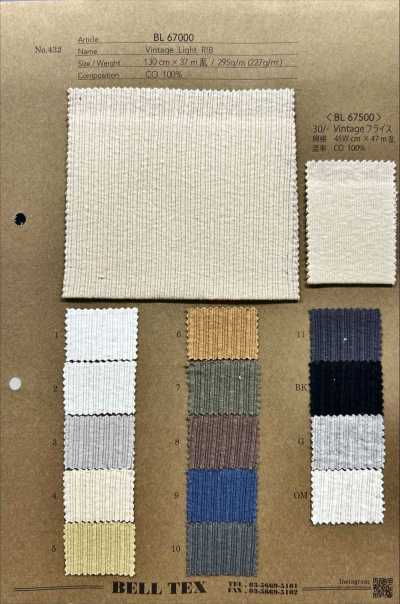
Circular rib and rib knit are fabrics in which knit and purl stitches are arranged alternately in a fixed pattern. Rib knit also forms ridges based on the arrangement of knit and purl stitches, but one-by-one rib and double rib differ in surface appearance, thickness, and stretch.
Frequently Asked Questions
Do knit and purl stitches mean the same as the front and back sides of fabric?
No. Knit and purl stitches are terms that describe the shape of individual stitches. The front and back sides of fabric indicate which side of the product is used as the face side. Depending on the knit structure, the knit-stitch side may be used as the front, but the purl-stitch side may also be used as the front for design purposes.
Does knit-and-purl fabric shrink when washed?
How much it shrinks depends less on the knit or purl stitch itself and more on the fiber type, yarn condition, stitch density, finishing, and washing and drying conditions. Especially for knit fabrics containing materials that are easily affected by moisture or heat, it is important to perform wash testing before mass production and confirm shrinkage and changes in appearance.
What should be noted when sewing knit fabric?
Take the fabric’s stretch and stitch distortion into account and choose the right needle, thread, and feed conditions. If the fabric is stretched too much during sewing, seam shrinkage and waviness can occur, so adjust with a test seam. It is also important to relax the fabric before cutting and to consider where anti-stretch reinforcement is needed.