


Sinker
Sinker is a name used for a generally lightweight to medium-weight weft-knitted fabric of the jersey type, knitted using the sinkers of a circular knitting machine.
Contents6 sections
Definition and Overview
Sinker is a name derived from the sinker, originally a component used in circular knitting machines to hold the knitted fabric in place and make stitch formation easier. As a fabric name, it often refers to circular-knitted weft knit fabric that uses that mechanism, especially single-layer jersey knits.
However, in fabric trading, the scope of sinker and the distinction from jersey vary by industry and production area. As a term related not to the material name but to the knitting method or knitting machine, it is necessary to check the blend ratio, fabric weight, and density together.
Features
Typical sinker fabric has a thin, flat appearance with knit stitches on the front and purl stitches on the back. Depending on the material, yarn thickness, density, and finish, softness, firmness, sheerness, absorbency, and elasticity can vary greatly.
It stretches easily in the crosswise direction, making it suitable for cut-and-sew styles with a light feel and easy movement, but compared with woven fabric, the edges are more likely to curl, and dimensions or twist may change after washing. The front and back of the knit and the stretch direction should also be checked during planning.
- With cotton, it tends to have a natural, soft hand feel.
- When blended with synthetic fibers, drying speed and dimensional stability are easier to adjust.
- A tighter stitch density generally gives the knit a firmer impression.
Main Applications
It is used for items close to the skin and light clothing such as T-shirts, cut-and-sew items, underwear, loungewear, and children's clothing. By adjusting the yarn usage and fabric weight, it can handle everything from lightweight spring and summer products to year-round layering items.
It is also sometimes used as a base for printing, but processing suitability depends on the material and surface condition. For light-colored and thin fabrics, sheerness, and for dark colors, the possibility of color fading or color transfer due to friction should also be considered.
Selection and Handling Notes
When selecting, check the blend ratio, fabric weight, stitch density, width, finish, vertical and horizontal stretch, and shrinkage after washing. In particular, knit fabric with a high cotton content can shrink differently depending on whether it has been finished, so it is important to carry out a washing or product-wash test before mass production.
Before cutting, let the roll relax sufficiently and settle the looseness of the knit fabric. During sewing, adjust the feed amount, thread tension, needle, and differential feed to suit the fabric in order to avoid waviness or puckering caused by excessive pulling. Use lock stitching, cover stitching, and similar stitches for stretch seams.
Washing should follow the product care label. To reduce distortion and skewing, consider using a laundry net, avoiding excessive tumble drying, and line drying in the shade after reshaping.
Differences from Similar Terms
Jersey refers to the basic weft knit structure in which knit stitches and purl stitches appear on the front and back. Sinker, on the other hand, is a term derived from a part of the knitting machine or from the knitting method, and in fabric sales it is sometimes used as a name for jersey-type fabrics. Since the two may be treated as having the same meaning, check with a knit structure sample.
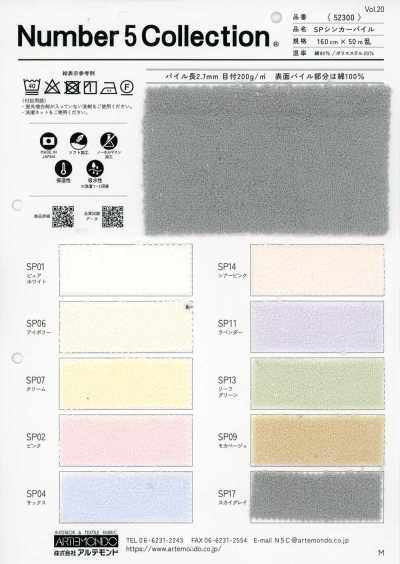
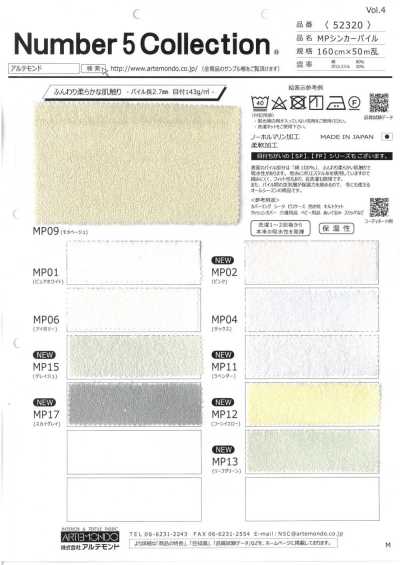
A sinker plate refers to the part attached to the knitting machine and is separate from the fabric itself. Also, sinker pile is another knit fabric formed using sinkers to create pile, and its appearance and applications differ from those of ordinary sinker fabric, which mainly has a flat surface.
Frequently Asked Questions
Are sinker and jersey the same fabric?
They are sometimes used to mean the same thing, but strictly speaking, jersey refers to the knit structure, while sinker is a term derived from a knitting machine part or its knitting method. Do not judge by the trade name alone; check the front and back stitches, fabric weight, blend ratio, and stitch density with a swatch.
Does sinker fabric shrink when washed?
The degree of shrinkage varies depending on the material, knitting density, dyeing and finishing, and whether the product has been washed. In particular, knit fabric containing cotton may change dimension after washing, so before mass production, check the shrinkage rate and twist under the expected washing conditions and reflect them in the pattern.
What should be noted when sewing sinker fabric?
If the fabric is sewn while being pulled, waviness in the seams and poor recovery from stretching are more likely to occur. Choose a knit needle and thread suitable for the fabric, and adjust thread tension and differential feed. It is important to perform a sewing test with scraps before sewing.





