Koshu Weave
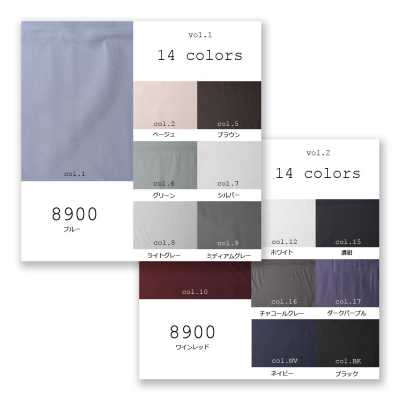
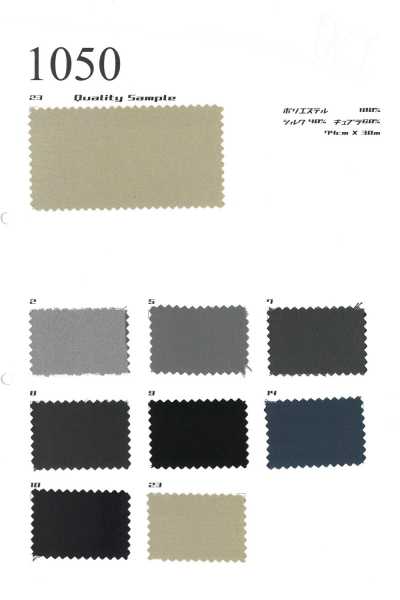
Koshu Weave is a general term for yarn-dyed fabrics produced mainly in the Kōnai region of Yamanashi Prefecture, and it is a lining fabric often used for the body and sleeve linings of suits and jackets, taking advantage of its patterns and sheen.
![5200 Made In Japan Paisley Komon Pattern Jacquard Lining [Outlet]](/img/item/thumb/YX/5200_t2.jpg)
![アトラス [Outlet] Made In Japan Plain Yarn-Dyed Koshu Woven Lining](/img/item/thumb/YX/アトラス_t2.jpg)
Contents6 sections
Definition and Overview
Koshu weave is a general term for fabrics produced in textile-producing areas centered on the Gunni region of Yamanashi Prefecture. It is not the name of a specific fiber or weave structure, but a name indicating the place of production, and many are characterized by delicate pattern expression using yarn-dyed yarns.
For apparel use, it is used as lining for suits, jackets, coats, and similar items. It adds a decorative element to the inside of the outer fabric while improving smoothness when putting on and taking off, and it helps prevent the outer fabric from rubbing directly against the skin or other clothing.
Uses and Functions
The main use areas are the body lining and sleeve lining of jackets and coats. In the body lining, it creates the impression when the facing is opened, and in the sleeve lining, it helps smooth arm movement. It may also be used as knee lining for pants to reduce friction around the knees.
In fully lined construction, it is used as the lining for the entire body. In half-lined construction, it is used only in the necessary areas such as the front body and sleeves. Since it is not a material for supporting or reinforcing the body fabric's firmness or thickness, it should be designed separately from interfacing and similar materials as needed.
Materials and Types
Koshu weave includes items made with synthetic fibers such as polyester, as well as items made with cupro, rayon, silk, and others. Depending on the type of fiber, yarn count, density, and finish, the smoothness, moisture absorption, luster, and drape differ.
Patterns are expressed with dobby or Jacquard, and include solid-like, small-pattern, and stripe styles. Since Koshu weave is not a name limited to one weaving method, it is important to check the structure, blend ratio, and functionality for each product number.
How to Choose and Points of Caution
Compatibility with the outer fabric is judged by matching color, luster, thickness, and movement. For outer fabrics with a soft drape, consider a lining that is light and smooth. For structured outer fabrics, consider a lining with appropriate firmness that will not detract from the finished appearance. For light-colored or thin outer fabrics, also check whether the lining color or pattern shows through.
For outer fabrics with stretch, if the lining does not stretch enough, it can easily cause pulling during wear. Consider a stretch lining, or allow extra ease in the lining, from both the pattern and material sides. In wearing tests, also check arm movement, mobility around the back and elbows, and static electricity.
- If the lining is excessively smoother than the outer fabric, check stability during wear and ease of handling during sewing.
- For patterned fabrics, align the direction and appearance of the pattern on the left and right body sections and sleeves, and allow for increased cutting length.
- For light-colored outer fabrics, actually layer the fabrics and check whether a dark or strong pattern in the lining affects the face side.
Sewing Considerations
Slippery, thin linings can shift easily during cutting, and during sewing they may cause waviness or seam misalignment due to differential feeding. Before cutting, straighten the grain, and as needed test presser pressure, needle, thread tension, and feed amount, then sew after stabilizing the edges.
It is common to include ease in the lining so as not to restrict the outer fabric's movement. For sleeve openings, hems, vents, and facing edges, confirm the length relationship with the outer fabric and how the seam allowance is settled. Since a hot iron can cause changes in luster or fading, check the temperature and pressing cloth conditions on offcuts first.
Frequently Asked Questions
Does Koshu weave mean the same thing as Jacquard?
No, they do not mean the same thing. Koshu weave is mainly a name for fabric derived from its production area, while Jacquard is a term related to the weaving method and loom used to create complex patterns. Some Koshu weave fabrics use a Jacquard structure, but not all of them are Jacquard.
Can Koshu weave lining be used for stretch jackets?
Yes, but you need to check the lining's own stretch and the ease in the pattern. If only the outer fabric stretches and the lining does not, pulling and tightness may occur around the back, elbows, and sleeves. Check the range of motion during prototyping and choose a stretch lining if necessary.