Male Side / Female Side
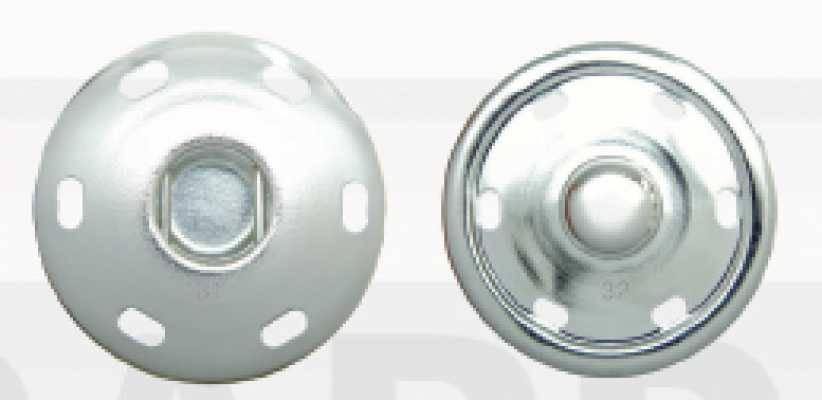
Male side and female side are the names for the paired parts used to open and close snaps and hooks: the male-side part with a protrusion, and the female-side part that receives and holds it.
Contents6 sections
Definition and Component Structure
The convex side and concave side are terms used to distinguish the mating parts of snaps and similar fasteners that close when pressed together and open when pulled apart. The convex side has a protruding head, and the concave side holds the convex side in place with a spring or receiving part. In products and specifications, they may also be described as the male side and female side.
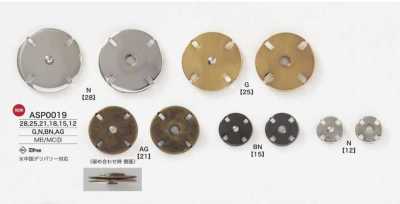
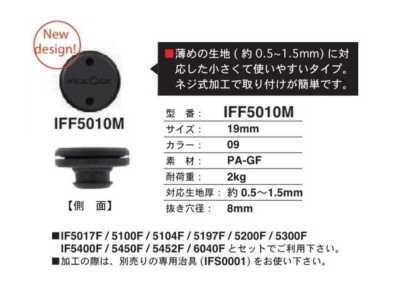
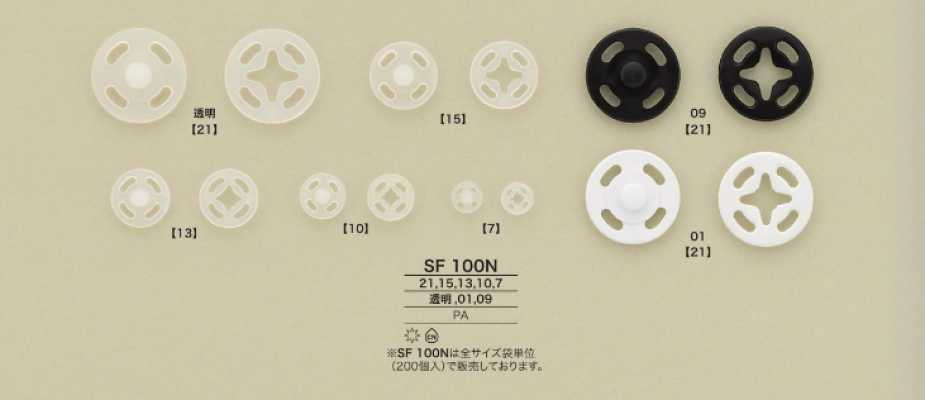
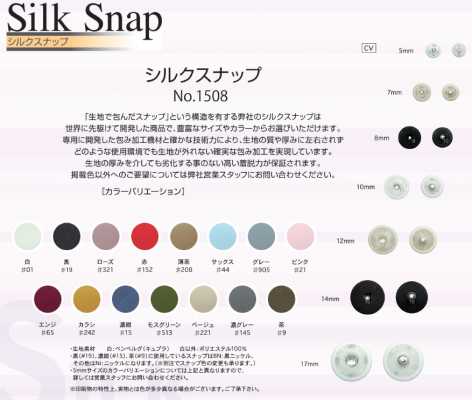
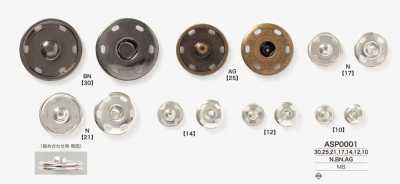
A typical press-fit snap consists of multiple parts, such as the head visible on the front side, the mating convex or concave side, and the prong or washer that secures it on the back side. In sew-on snaps, the convex side and concave side with sewing holes are sewn onto the fabric.
- The convex side is the part with a protrusion that fits into the opposite side.
- The concave side is the part that receives and holds the convex side.
- The head and washer serve to secure the parts to the fabric and distribute the load.
How to Choose Materials and Structure
For metal types, brass, iron, stainless steel, and similar materials are used, and the surface may be plated or painted. For resin types, they may be used in garments where light weight and a metal-free specification are important. Not only the material, but also the spring structure, part shape, and surface finish affect feel and durability.
As a rule, the convex side and concave side are used as a matching set of the same standard and the same series. Even if the visible diameters are similar, combining parts with different mating shapes or heights can cause weak fastening, difficulty in opening, or poor press-fitting.
How Size Is Expressed
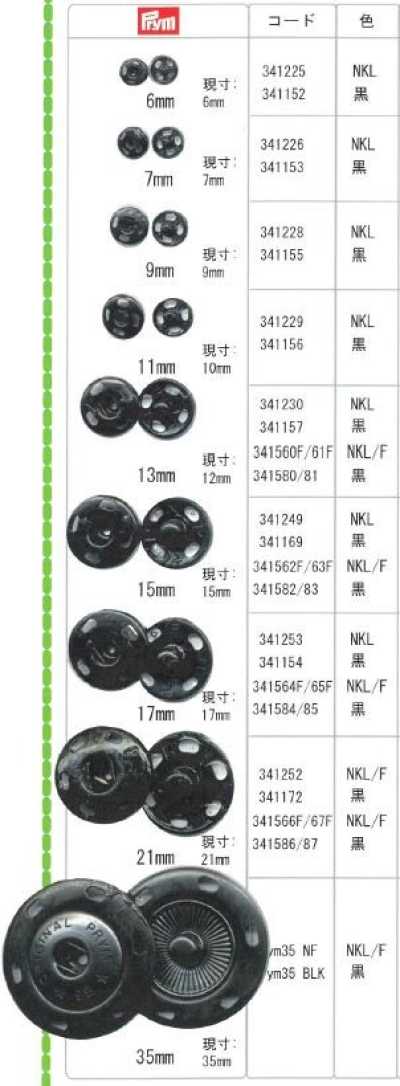
Snap size is often indicated by the diameter of the head or the visible surface part. However, the location indicated and the naming method differ by type, and even with the same diameter, the height of the convex and concave sides, the prong length, and the compatible fabric thickness may not be the same.
In orders and specifications, it is easier to confirm by listing the snap type, surface diameter, color or finish, required parts including the convex and concave sides, and compatible fabric thickness. When using a setting tool, also check the setting tool to make sure it matches the part standard.
How to Attach It and Main Uses
Press-fit types include methods that pre-punch holes and methods that fix the part while piercing the fabric with the prongs. Place the parts in the correct front-and-back orientation at the specified positions, then press them with a dedicated setting tool and a press machine or hand tool. Sew-on types are fixed by passing thread through the sewing holes in each part.
They are used for front openings, collars, pocket openings, cuffs, inseams, and removable accessories. Select the snap type and attachment position based on the frequency of opening and closing, the direction of pulling force, and whether it should be visible from the front or concealed.
Notes on Fabric Thickness and Quality Control
With thin fabrics, force concentrates on the setting area and tears may occur easily. With thick fabrics, the prong length may be insufficient and proper clinching may not be achieved. Check the compatible fabric thickness according to the fabric thickness, structure, and stretch properties, and use interfacing or reinforcement fabric if necessary. Before mass production, it is important to perform setting tests on the actual fabric.
If the engaging force is too weak, it may come undone easily; if it is too strong, the fabric may be strained when opening and closing. For metal types, rust, discoloration, and green tarnish may occur depending on sweat, moisture, washing, and storage conditions, so check the finish and usage environment. For products that require needle detection, also manage in advance whether metal parts are used and the needle detection process.
- After setting, check the front-and-back orientation, clinching condition, and opening-and-closing feel.
- Check whether the fabric tears or the parts come out when pulled.
- If consideration for metal allergies is needed, check the material and surface treatment.
Frequently Asked Questions
Can the convex side and concave side be used separately?
The convex side and concave side only function for opening and closing when combined with the corresponding mating part. For press-fit types, fastening parts such as the head and washer are generally also required. Check the required part configuration for each snap type.
Can the same snap be used if the fabric is thick?
When the fabric is thicker, insufficient prong length or incomplete clinching may make it easier to come loose or cause poor setting. Check the compatible fabric thickness and the prong length of the parts, then make the decision after setting tests and opening, closing, and pull tests on the actual fabric.
Is needle detection necessary for products using metal snaps?
Whether needle detection is necessary and how it is managed depend on the product application, the customer’s standards, and manufacturing control arrangements. When using metal snaps, it is important to clearly manage the parts used in the specification sheet and inspection process, including their response to the needle detector.
- Search products for "snap button"
- Products with material "Metal"
- Products with material "ABS Resin"
- Products with material "Polyacetal"
- Products for style "For Shirts/blouses"
- Products for style "For Outerwear/blousons/coats"
- Products for style "For Kids"
- Products for style "For Uniforms/Workwear"
- Products for style "For Bags"
- Browse Snap Button products