Passementerie
Passementerie is a general term for narrow apparel trims such as braid, fringe, cord, and tassels, made with yarn in raised or decorative constructions through weaving, knitting, braiding, and similar methods.
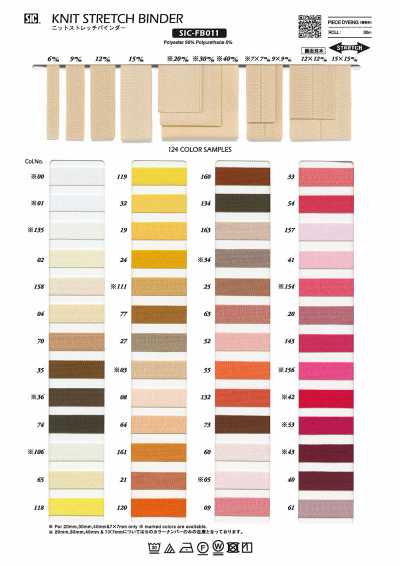
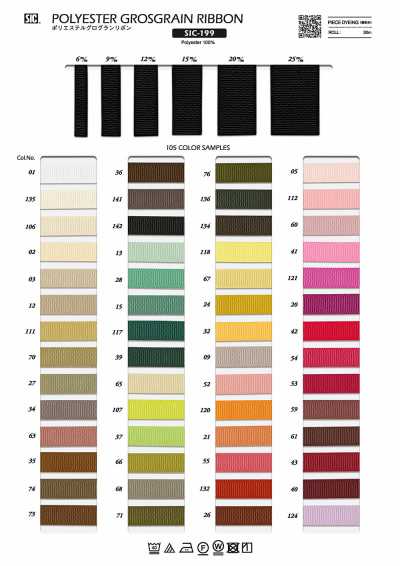
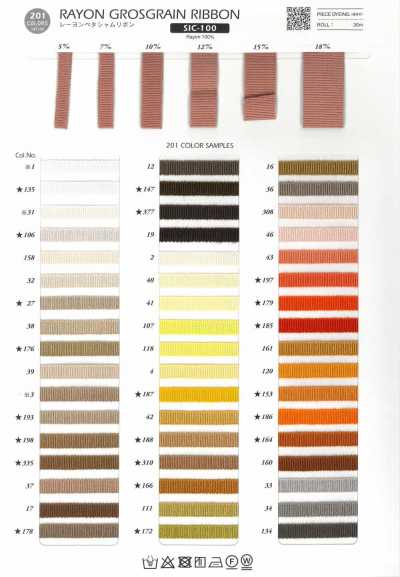
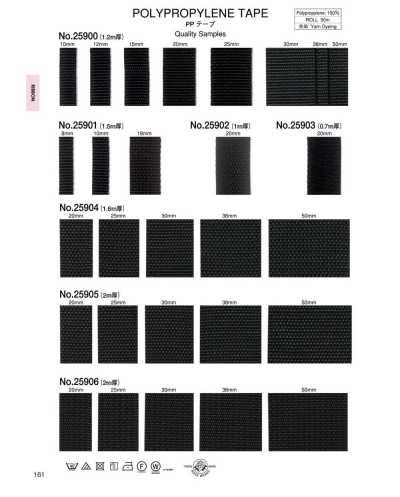
Contents6 sections
Definition and Overview
Passementerie is a general term for narrow trims used to decorate the edges and surfaces of garments, apparel accessories, and interior furnishings. It includes not only flat tape-like types, but also a wide range of decorative forms such as cord-like, fringe-like, and chevron-shaped styles.
Materials and Structure
Materials include cotton, rayon, polyester, nylon, wool, silk, and metallic-effect yarns. The combination of material, sheen, twist, and yarn thickness changes the appearance, firmness, and durability.
Manufacturing methods include weaving, in which yarns are crossed; knitting, in which loops are formed; and braiding, in which multiple yarns cross diagonally. Some styles also gain a sense of dimension through structures such as wrapping around a core, winding yarn, or adding fringe.
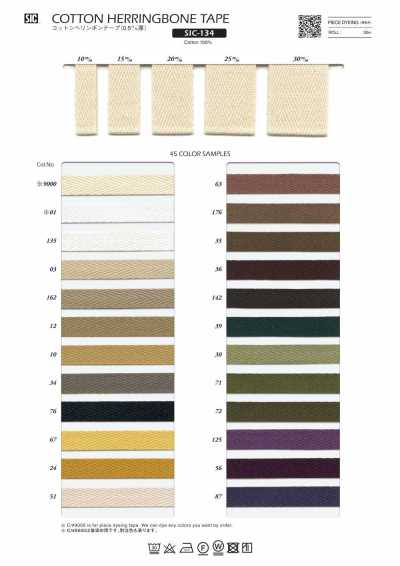
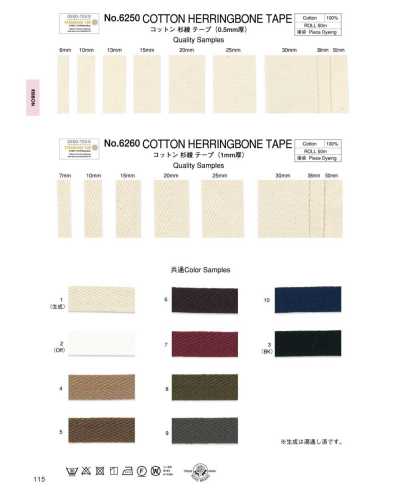
- Flat decorative strip types are easy to sew on and are used for edge decoration.
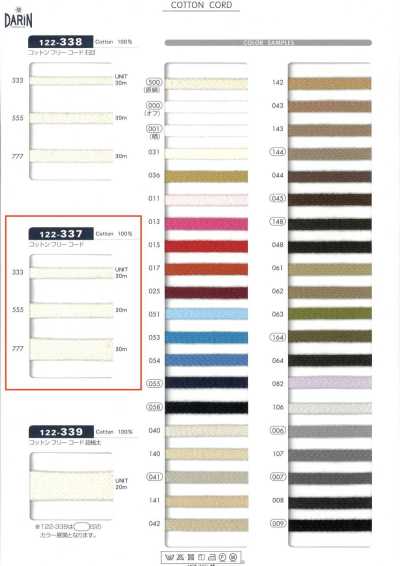
- Round cords and core-filled types are used for piping and knot decorations that emphasize outlines.
- Fringe types are used as decoration that adds movement and shadow.
How to Read Dimensions
Flat passementerie is generally measured by width, while round cord-like types are measured by thickness or diameter. However, fringe requires separate confirmation of the tape width and the fringe length.
For raised designs such as patterns and chevrons, the maximum width, repeat size of the pattern, and thickness also affect the finished result. It is important to assume the sewing position and how it overlaps the seam allowance, and to check with a physical sample.
Main Applications
In garments, it is used on the collars, front edges, cuffs, hems, and pocket openings of jackets, dresses, and stage costumes. It is also used not only for decorating bags, hats, and shoes, but also for interior applications such as curtains and cushions.
Braid, fringe, tassel, and gimp are individual style names that may all be included under passementerie. Passementerie is a collective term for these forms, not a word for a single manufacturing method or shape.
Selection and Handling Precautions
Depending on the application, check not only the width and thickness, but also softness for following curves, the thickness of the sewn section, and resistance to yarn shedding. Before sewing, test whether the cut edge will fray and whether the material can be cut with heat, then decide how to finish the edge.
Braided and knitted structures may stretch in the lengthwise direction or change in thickness or width when pulled. Avoid pulling too hard during sewing, and if necessary, use basting or temporary securing to help prevent waviness and dimensional differences.
Suitability for washing or dry cleaning depends on the material and structure. Items containing fringe, loops, or metallic-effect yarns may fuzz, snag, or deform from friction, so pre-testing according to the product's care label is necessary.
Frequently Asked Questions
What is the difference between passementerie and braid?
Can passementerie be washed?
Whether it can be washed depends on the material, dyeing, core material, and whether it includes metallic-effect yarn or decorative parts. In particular, items with fringe or loops are easily damaged by tangling and friction, so a wash test should be conducted with the actual fabric before sewing it onto the product.
What should be noted when attaching passementerie to curved sections?
Hard or thick trims tend to lift, wrinkle, and ripple on curves. Check its ability to follow curves with a sample, secure it with closely spaced temporary stitching if necessary, and sew without stretching the tape. For sharp curves, also consider transitions and edge finishing.