Pocket Square
A pocket square is a primarily square formal fabric accessory inserted into a jacket’s breast pocket to decorate the chest area.
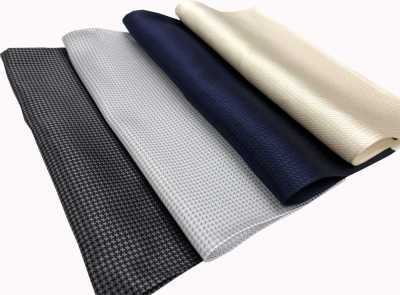
![CF-1203-OUT [Outlet] Made In Japan Twill Weave 16 Momme Silk Pocket Square Light Gray](/img/item/thumb/YX/1111076_t2.jpg)

Contents6 sections
Definition and Overview
A pocket square is an accessory worn by tucking it into the breast pocket on the left chest of a suit or jacket. It echoes the color, pattern, and texture of a necktie or bow tie at the chest and adds an accent to the outfit. It may also be used as a handkerchief, but its purpose and finish can differ.
It refers to a piece of cloth for decorating the breast pocket and is not a part sewn onto the garment. It is also different from a boutonniere inserted into a lapel buttonhole. A pocket square shows color and fold through its surface, whereas a boutonniere is an accessory worn as a single floral accent.
Shape and How to Place It in the Breast Pocket
The usual shape is square, and it is folded before being placed in the breast pocket so that only the top edge shows. Because the appearance changes depending on the pocket depth, opening width, and the thickness of the pocket square, the lower portion is folded back to adjust the height. It is usually worn by friction and folding inside the pocket, without using a fastener.
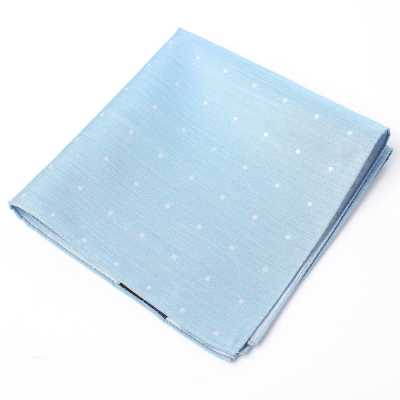
The edges may be finished with a narrow three-fold hem, a hand-rolled edge, or a woven selvage finish. The thickness and stiffness of the edge affect how easily it folds and how defined the outline appears. A fold that shows a straight edge creates a neat impression, while a fold that forms peaks tends to give a softer look.
- A folding style that shows the edge horizontally creates a flat, tidy impression.
- A folding style that shows one or more corners is an easy way to create a sense of dimension.
- A softly pinched-in fold is a style that makes patterns and sheen appear naturally.
Differences by Material and Finish
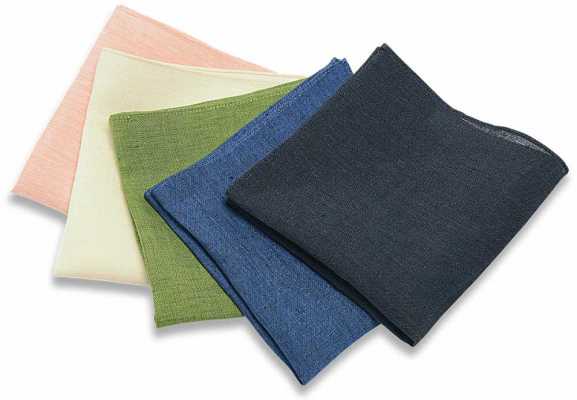
Silk has luster and a supple drape, and is used for evening formal wear and glamorous occasions. Cotton and linen are materials that make it relatively easy to create a crisp outline and are easy to match with daytime attire and business-oriented jacket styles. Wool makes use of its brushed feel and woven texture, and blends well with autumn and winter outfits.
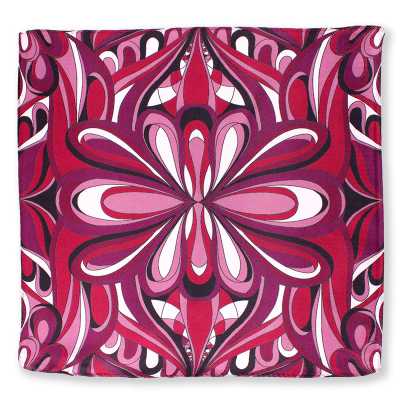
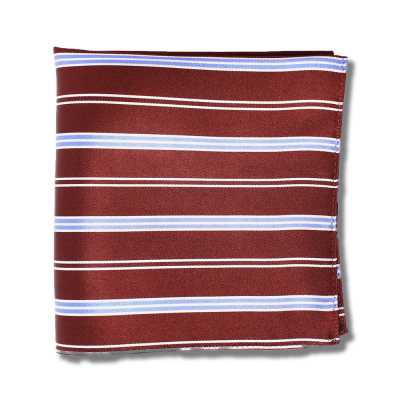
The impression changes depending on the weave, such as plain weave, satin weave, and Jacquard, the pattern, such as solid, small motif, or paisley, and the edge finish. The stronger the shine, the more glamorous it tends to look, while a matte texture and woven pattern create a calmer expression. Also check the texture differences between the jacket fabric, shirt, and tie.
How to Coordinate with an Outfit
For daytime formal attire, pocket squares such as white linen or cotton that feel clean and are easy to keep crisp may be chosen. For evening formal wear, white or lustrous materials may be used while considering harmony with the bow tie and cummerbund. When there is a dress code for the event, follow the instructions first.
For semi-formal wear and jacket styles, rather than matching the tie exactly in color and pattern, it is often easier to achieve a balanced look by echoing part of the color or the material texture. For a patterned tie, pair it with a solid or small-pattern pocket square; for a solid tie, pair it with a patterned or woven pocket square to adjust the amount of visual information at the chest.
The distinctions between formal, semi-formal, and informal wear, and customs for daytime versus evening, vary by country, region, and the event host. In particular, black tie and white tie have established conventions for shirts, ties, and chest decorations, so it is important to check the invitation dress code and the venue's policy.
How to Choose and Handling Precautions
When selecting one, check whether the size of the pocket square and the thickness of the fabric are appropriate for the pocket opening and depth of the breast pocket. Fabric that is too thin tends to sink down, while fabric that is too thick can make the pocket bulge. It is reassuring to try it in the actual jacket and check the visible height and fold style as well.
Touching it with dirty hands can easily cause stains and transfer skin oils, and perfume or hair styling products can also cause discoloration. Washing and ironing methods vary depending on the material and edge finish, so follow the care tag. For storage, avoid keeping strong creases for long periods and keep it away from moisture and direct sunlight.
Frequently Asked Questions
Are a pocket square and a handkerchief the same?
Both are small fabric accessories, but the main purpose of a pocket square is to decorate the breast pocket. A handkerchief is intended for practical use such as wiping the hands. However, a thin, clean handkerchief may also be used as a pocket square. Avoid placing a handkerchief back into the chest area after use.
Should a pocket square have the same color and pattern as the necktie?
They do not necessarily need to match exactly. Picking up a color that appears in the tie, shirt, or jacket with the pocket square makes it easier to create a sense of unity. If the color and pattern are matched exactly, the overall look can seem overly decorative, so choose a solid or subtle pattern depending on the occasion and the impression you want.
What should you do if the pocket square falls inside the breast pocket?
Fold the lower side back to create thickness and adjust it so the length reaches the bottom of the pocket. With thin materials, increasing the amount folded inward can help it stay in place. It is also important to shape it in a position that cannot be seen from the outside and to avoid making the breast pocket bulge too much.
- Search products for "pocket square"
- Products with material "Cotton"
- Products with material "Wool"
- Products with material "Silk"
- Products with material "Linen"
- Products for style "For Jackets/Suits"
- Products for style "For Formal Wear"
- Products for style "For Costumes/dresses"
- Browse Formal Accessories products