Formal Wear, Semi-formal Wear, And Informal Formal Wear
Formal wear, semi-formal wear, and informal formal wear are categories that stepwise indicate the formality of Western dress for celebratory, mourning, and ceremonial occasions, depending on the wearer’s relationship to the host, the time of day, and the nature of the event.
Contents6 sections
Definition and Overview
Formal wear, semi-formal wear, and informal formal wear are common categories in Japan that indicate the level of formality in Western dress. Formal wear is the most formal, followed by semi-formal wear and then informal formal wear. However, appropriate attire varies depending on the dress code on the invitation, the venue, and local or organizational customs.
This is not the name of a single garment, but a way of judging the overall formality of an outfit, including the jacket, shirt, shoes, and accessories. “Formal attire” broadly refers to clothing for formal occasions, while informal formal wear usually refers to dark suits used for informal formal wear.
Formality Levels and Day/Night Guidelines
For men, formal wear typically means a morning coat during the day and a tailcoat at night. Women’s formal wear is not strictly fixed by day or night, but the idea is to choose an elegant dress or Japanese attire, matching skin exposure and fabric sheen to the time of day and the purpose of the ceremony.
Examples of semi-formal wear include a director’s suit during the day, a tuxedo at night, and cocktail dresses for women. Informal formal wear centers on dark suits, one-piece dresses, and understated sets. Although there are day and night customs, it is now important to prioritize the venue’s requirements.
- Formal wear: used for ceremonies for honored guests and other events that clearly indicate a high level of formality.
- Semi-formal wear: may be specified for weddings and officially styled parties.
- Informal formal wear: widely used for ceremonies, joyous or solemn occasions at event venues, and formal meals.
Parts of the Outfit and Accessories
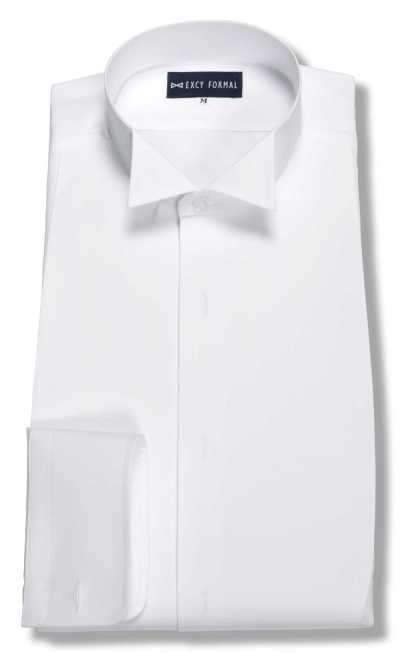
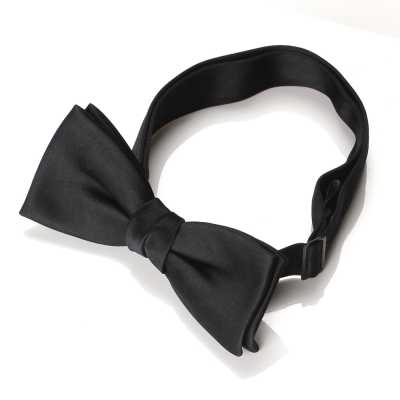
The level of formality is determined not only by the shape of the outer garment, but by the combination of the collar shape, the shirt front and cuffs, buttons, tie, and even the shoes. For example, a tailcoat uses specifications suited to evening formal wear, such as a wing-collar shirt, pleated shirt front, stud buttons, and a bow tie.
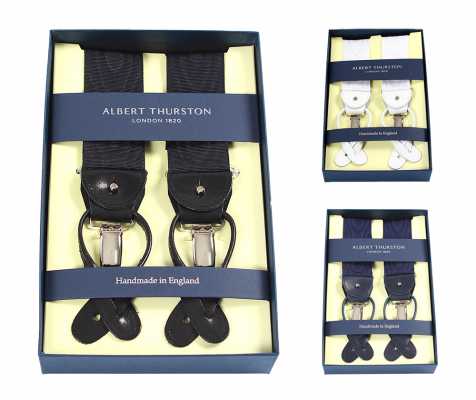
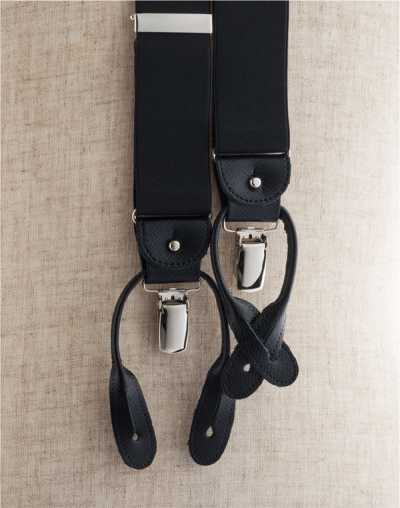
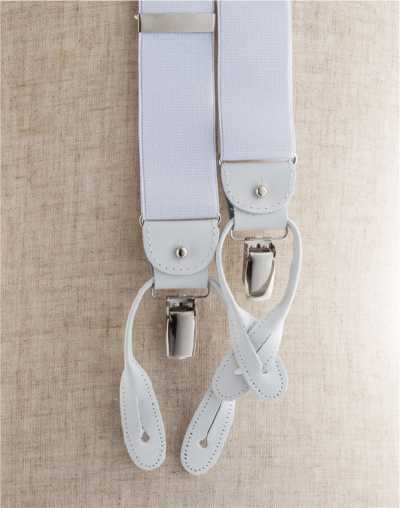
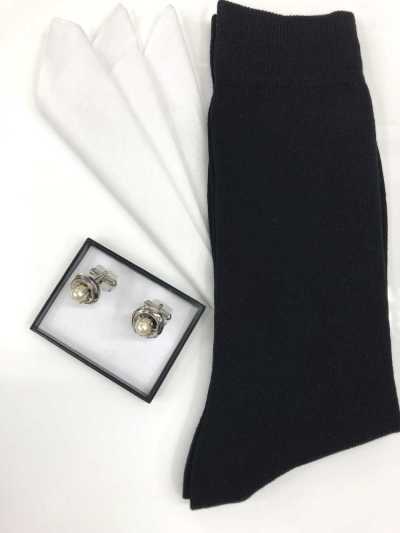
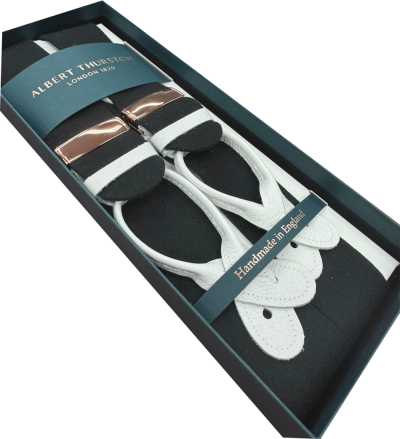
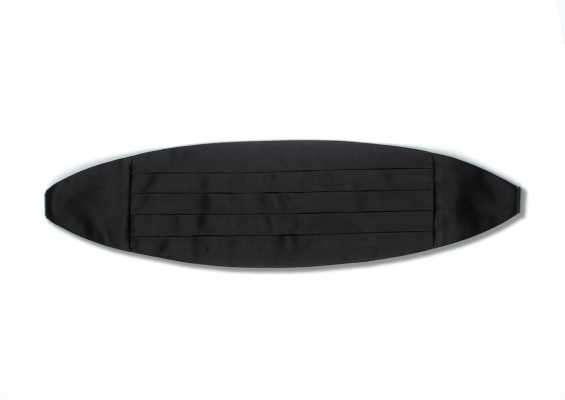
In tuxedos, one may see collars with satin facings, tuxedo stripes, and a cummerbund or suspenders. In dark suits for informal formal wear, the basic style is a standard collar and front-button closure, while the tie and pocket square are chosen according to the ceremonial tone, time of day, and the host’s instructions.
Choosing Materials and Finishes
In highly formal attire, black or dark colors are generally the base, with wool fabrics, silk-like accessories, and understated metallic sheen commonly used. The sheen of the fabric, weave pattern, nap, and strength of decoration all affect the impression, so even the same color should be checked for how well it suits the intended application.
Daytime formal wear tends to avoid strong shine, while nighttime formal wear customarily incorporates moderate sheen in details such as satin facings and bow ties. However, if the wedding venue or host sets a dress code, that instruction takes priority. The material alone does not determine the level of formality.
How to Choose and Care for It
First, check the dress code on the invitation, and if anything is unclear, confirm with the host or venue. Guests should not dress more formally than the host or guest of honor, and they should adjust the brightness of colors, sheen, and accessories according to whether the occasion is joyous or solemn. Business suits may or may not be acceptable as informal formal wear.
Before wearing formal shirts, bow ties, cufflinks, and similar items, check for stains, discoloration, and loose fasteners. After wearing them, remove sweat and skin oil, and store them so they do not lose their shape. Silk, wool fabrics, and metal accessories should be cared for using methods suitable to the material, and a specialty shop should be consulted if necessary.
Frequently Asked Questions
Do informal formal wear and an informal formal suit mean the same thing?
Informal formal wear is a term that indicates the level of formality of the whole outfit. An informal formal suit is a term often used to refer to the clothing worn for that purpose, especially black or dark suits. However, in retail and conversation, the two are sometimes treated as nearly the same, so check the details specified on the invitation.
Does wearing a dark suit to a wedding count as informal formal wear?
Generally, an outfit consisting of a solid dark suit, a white shirt, and a tie and shoes suitable for a celebratory occasion is treated as informal formal wear. However, if the invitation specifies black tie or similar, semi-formal wear or higher is required, so follow that instruction first.
How do black tie and white tie relate to formal wear categories?
White tie is a dress code that calls for a tailcoat, which is evening formal wear. Black tie generally calls for a tuxedo, which is evening semi-formal wear. Both are dress codes that include not only the clothing itself, but also the shirt, bow tie, shoes, and other coordinating items.