Ascot Tie
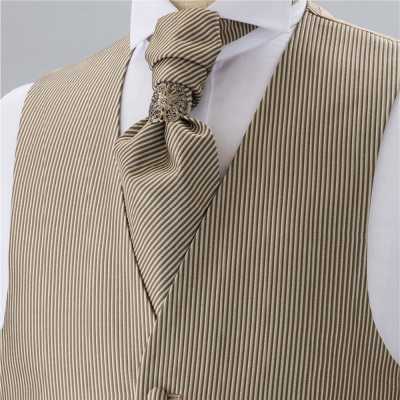
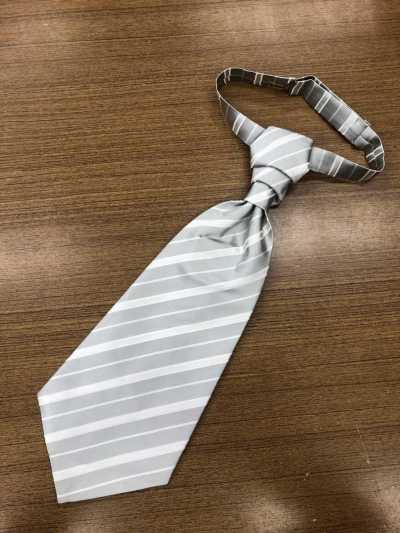
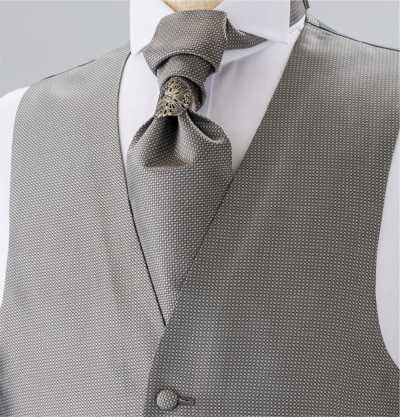
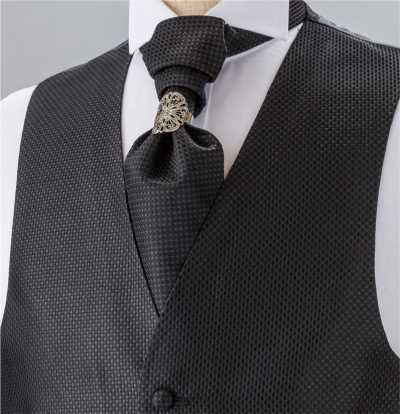
An ascot tie is a necktie with more volume than a regular tie, featuring wide ends that are overlapped and tied at the chest, and used mainly for daytime formal wear and dressier outfits.
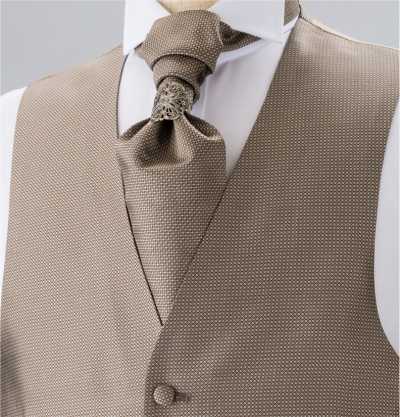
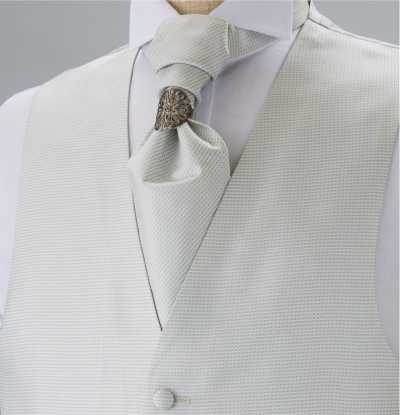
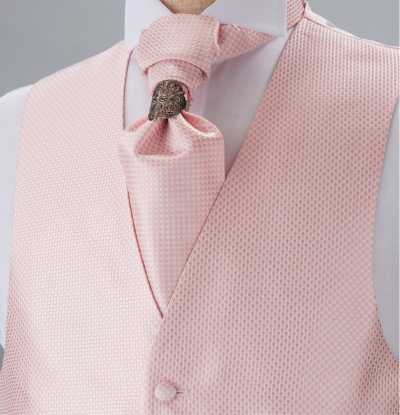
Contents6 sections
Definition and Overview
An ascot tie is a neckwear item worn around the neck and tied at the center front. It is wider than a regular tie and is characterized by the full volume it creates from the knot to the chest. It is used for daytime formal wear and also as an accent for dressier outfits.
In Japan, the term ascot tie may be used broadly for ties that add a dressy look to a jacket collar, not only for formal wear. For that reason, it is important to check the intended use, tying method, and neck opening specifications before choosing one.
Shape and Fastening
The basic form consists of a narrow band section that wraps around the neck and wide ends that are shown at the chest. After crossing and tying at the neck, the wide section is layered and arranged to create a three-dimensional look when worn. Products include a hand-tied type, in which you form the knot yourself, and a simple pre-shaped type.
The underside of the knot is often tucked inside a vest or jacket, and if needed, its position is lightly secured with a tie pin or pin. However, when using a needle, confirm that it will not cause holes or pulling in the textile.
- The neck measurement should match the shirt collar size and the ease needed when worn.
- The size of the wide section should be balanced against the vest V-zone and the jacket opening.
- The simple type is easier to wear, but the range for adjusting the look of the knot differs from the hand-tied type.
Materials and Finish
Silk is a material commonly used for ascot ties because it easily provides luster, softness, and drape. Woven patterns such as Jacquard create shading even in solid colors, adding depth to the chest area. Items with a satin-like sheen are also a finish that suits festive occasions well.
The textile may be cut on the bias, which affects how it fits around the neck and the volume it creates when tied. Since the presence or absence of interfacing, thickness, and sewing specifications also change how easily it ties and how much fullness it has, check these points to match outfits that call for a larger knot.
Matching Outfits and How to Wear It
Traditionally, the ascot tie is positioned as daytime formal neckwear to be worn with a morning coat and similar attire. Since suitability changes depending on day or night, the venue dress code, and ceremonial customs, give priority to the invitation or the organizer’s instructions.
For black tie, typified by the tuxedo, a bow tie is generally worn. For white tie, which includes a tailcoat, a white bow tie is standard. An ascot tie is not the same as these, and whether it can be used as a substitute should be judged according to the required dress code.
For semi-formal or party wear, the look is more cohesive when the colors and material textures are coordinated with the jacket, vest, and shirt. If you choose a patterned item, keep the shirt and pocket square patterns subdued to balance the visual information at the chest.
How to Choose and Handling Notes
When selecting one, check the time of day and level of formality for the outfit, whether it is hand-tied or simple, the sheen of the material, and the knot volume. For formal use, do not judge only by color or pattern; consider the specifications of the formal wear and the venue dress code together.
With silk items, friction, moisture, and strong heat can change the texture and luster. After wearing, untie the knot and reshape it, and care for stains according to the care label without rubbing. For storage, do not fold tightly, and avoid humidity and direct sunlight.
Frequently Asked Questions
What is the difference between an ascot tie and a necktie?
A necktie is basically tied with a long wide blade and narrow blade, with the ends hanging down at the chest. An ascot tie is tied by layering a wide fabric at the neck, and is often tucked inside a vest or jacket, so it creates a larger volume at the chest.
Can an ascot tie be worn with a tuxedo?
For tuxedo black tie, a bow tie is generally used. An ascot tie is mainly used for daytime formal wear and dressy jacket styles, so for formal occasions you need to check the invitation instructions or the organizer’s guidance before choosing one.
Does an ascot tie need to be fastened with a pin?
No, it is not required. If it fits inside a vest or jacket and the knot stays in place, it can also be worn without a pin. If you do use a pin, take care to avoid needle holes in the outer fabric, pulled threads, or effects on delicate woven patterns.