Cummerbund
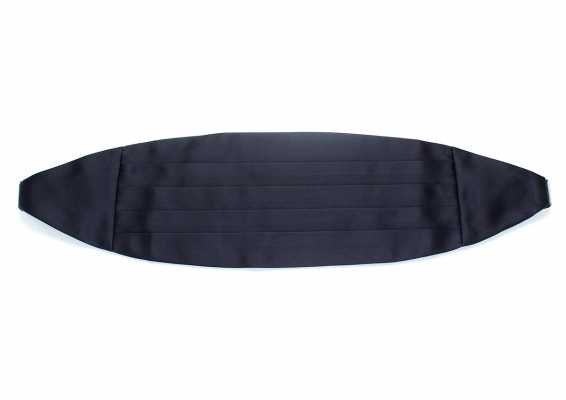
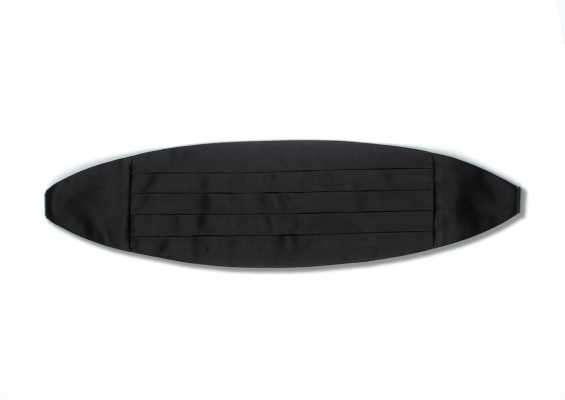
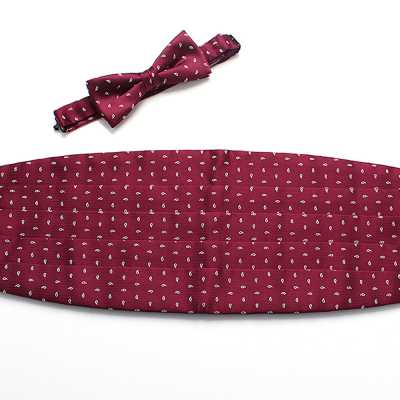
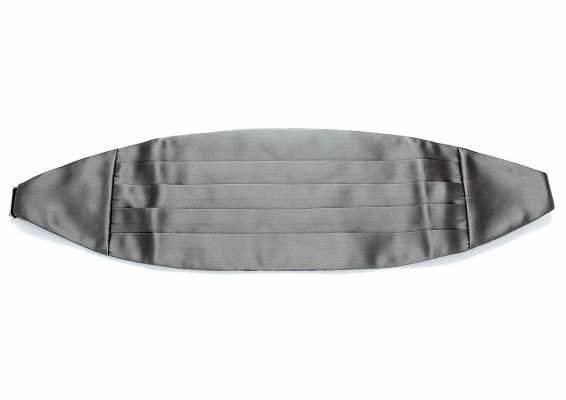
A cummerbund is a pleated, band-shaped formal accessory worn around the waist to cover the area around the hem of a shirt in evening formalwear such as a tuxedo.
Contents6 sections
Definition and Applications
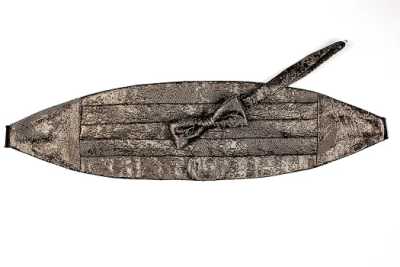
A cummerbund is a band-shaped accessory used mainly to tidy and conceal the waist section of the lower half of a tuxedo and the hem of a shirt. It is often worn with a bow tie and is one of the elements that make up a black-tie outfit.
Parts and Construction
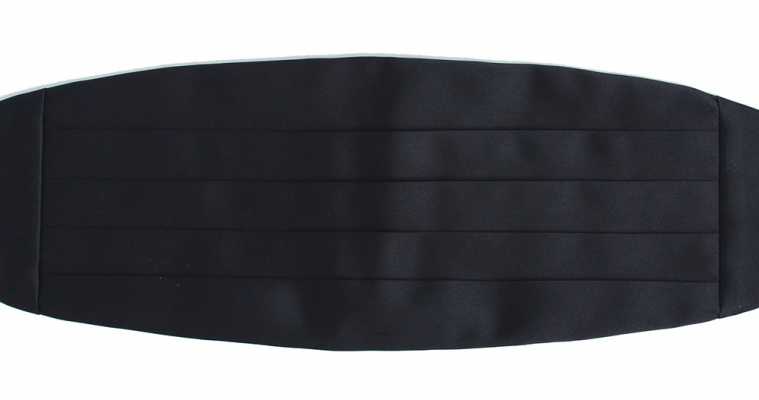
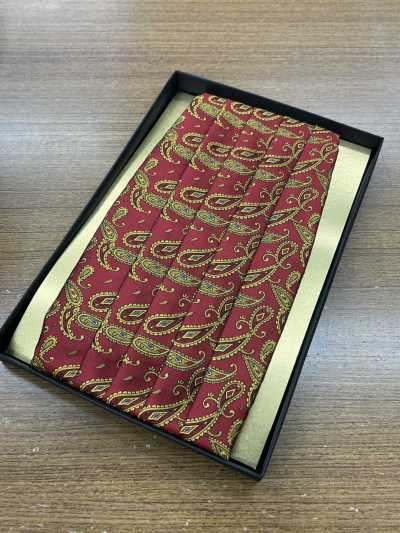
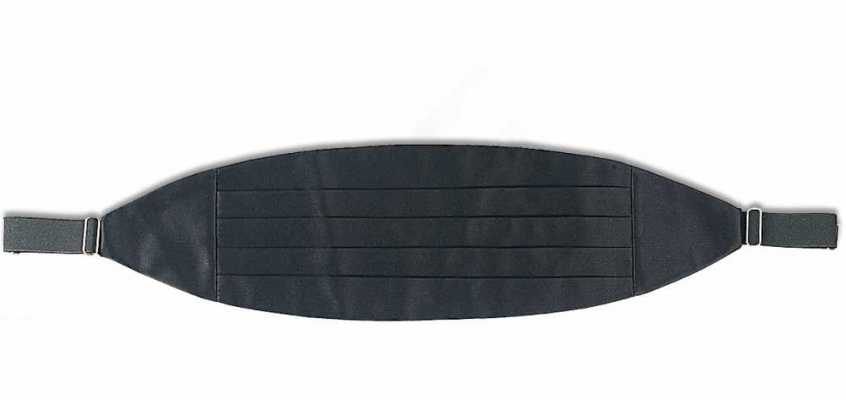
The front body is typically a wide band with pleats running horizontally. Many versions have narrow belts or straps extending from both ends that fasten at the back, allowing the length to be adjusted.
Pleats are generally worn facing upward. This is said to derive from a design meant to temporarily hold small items, but rather than for practicality, it is treated as a detail that creates a neat appearance from the front.
- Front center: main body with pleats arranged in a band shape
- From the sides to the back: a belt or elastic strap for size adjustment
- Back center: opening and closing part such as hooks, fasteners, or hook and loop
Materials and Finishing
For formal wear, it is basic to match the color, sheen, and surface feel with the facings used on the tuxedo lapels. Fabrics such as silk satin weave and barathea that can express subdued luster and deep black are used.
Polyester and similar materials are also used in mass-produced items. In addition to the fabric type, check the pleat retention, moderate firmness from the interlining, and whether the fastener is unlikely to come undone while wearing it.
Matching Outfit and How to Wear It
A cummerbund is, in principle, worn with black tie, which is evening semi-formal wear. The usual combination is a black dinner jacket or white dinner jacket with a black bow tie, formal shirt, and pants with a tuxedo stripe.
It is not usually used with daytime formal wear, business suits, or outfits with a regular tie. It is important to follow the dress code on the invitation, the organizer’s instructions, and local or venue customs, and to keep the formality level consistent among attendees.
Differences from a Vest and How to Choose
A cummerbund is a band that covers the waist, and it differs in both shape and role from a vest, which covers the front from the chest. In black tie, a cummerbund and a vest serve overlapping roles in hiding the waist section of the lower half, so in many cases only one is used.
When choosing one, match it to the jacket lapels and bow tie in tone, sheen, and weave pattern. Choose a size that sits horizontally at the waist, keeps the pleats from skewing, and does not feel overly tight or ride up when sitting.
Frequently Asked Questions
Should the pleats of a cummerbund face up or down?
Generally, it is worn with the open side of the pleats facing upward. Reversing it changes the appearance of the design and differs from the traditional way of wearing it. Before putting it on, shape the body and secure the back fastener in a position where the pleats appear horizontal.
Can a cummerbund and a vest be worn together?
Since both serve the role of tidying the waist section of the lower half and the area around the hem of the shirt, black tie usually calls for choosing either a cummerbund or a vest. If there are event instructions or a specified outfit set, follow those directions.
Can a cummerbund be used for a daytime wedding?
A cummerbund is mainly an accessory for evening black tie. It is generally not used for daytime formal wear. However, there may be exceptions for stage costumes or dress codes set by the organizer, so check not only the time of day but also the venue and invitation instructions.