


Reverse Jersey
Reverse jersey is a knitted fabric that uses the normally reverse side of jersey knitting as the face side, or a jersey material that makes use of that appearance.
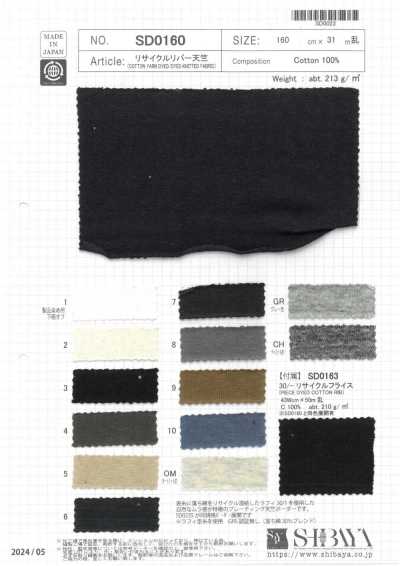
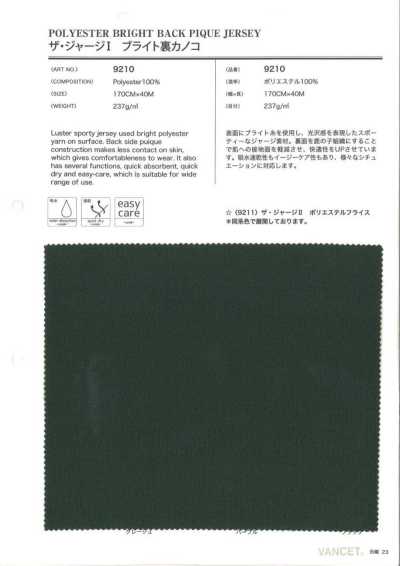
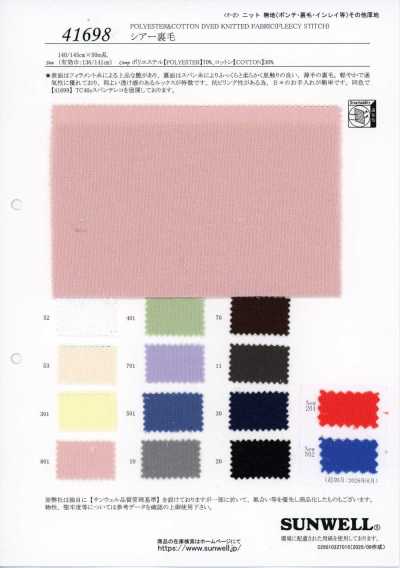
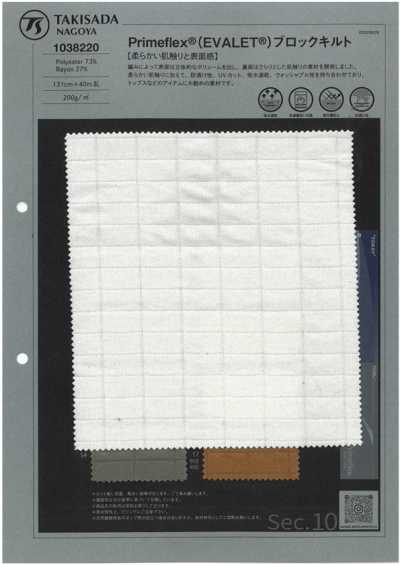
Contents6 sections
Definition and Overview
Reverse jersey is a knitted fabric that uses the reverse side of jersey knitting, also called plain knitting, as the face side. Jersey has a different appearance on the right and wrong sides, and reverse jersey uses the side with the horizontal knit texture that differs from the usual face side as the design surface.
In some cases, the term reverse jersey refers to a specification that uses regular jersey inside out, as well as cases where it is used as a fabric specification name. For that reason, it is important to check the front/back designation and the finished sample to align understanding.
Features
Reverse jersey fundamentally has the lightness, softness, and horizontal stretch characteristic of jersey. Depending on which side is used as the face side, it can create a more casual, rustic look than ordinary jersey, or a surface with a horizontal-rib-like appearance.
Hand feel, thickness, stretch recovery, and sheerness vary greatly depending on the yarn type, stitch density, fabric weight, and post-processing. Materials made with elastic yarns may also feature supple stretch and rebound.
- Because the appearance differs between the right and wrong sides, it is necessary to standardize the cutting direction.
- The edges of knitted fabric tend to curl, so depending on the specification, it may be necessary to consider how to finish them.
Main Applications
It is used for T-shirts, cut-and-sew tops, pullovers, dresses, underwear, and more. Depending on the fabric thickness and blended fibers, it is also used for sports tops and layered items.
Thin fabric is suited to standalone spring and summer items or innerwear, while thicker fabric is suited to tops for seasonal transitions. However, the name reverse jersey alone does not indicate warmth retention or absorbency, so the material specifications should be checked individually.
How to Choose and Handling Notes
When selecting, check the actual material for the side to be used as the face side, and confirm the fabric weight, sheerness, horizontal and vertical stretch, stretch recovery rate, and skew. If printing or embroidery will be added to the product, it is also necessary to make samples on the side used as the face side.
Reverse jersey containing natural fibers such as cotton may shrink or skew after washing. Conduct wash tests before mass production, and if necessary, apply pre-washing, relaxation, and straightening of the grain, then reflect the results in the size design and care label instructions.
In sewing, do not stretch the knitted fabric excessively, and adjust the differential feed and presser foot pressure to suppress seam stretching and puckering. For highly stretchable materials, choose stitch types and sewing thread that follow the stretch of the fabric.
Differences from Similar Terms
Jersey refers to the knit structure itself, and generally the side with the prominent knit stitches is treated as the face side. Reverse jersey differs in that the reverse side of that jersey is used as the face side. The two are not different knit structures, but are mainly distinguished by which side is used as the face side or wrong side.
French terry is a knitted fabric with looped yarn on the reverse side, and its structure differs from reverse jersey. Brushed fabric is a material whose reverse side has been brushed. Reverse jersey usually refers to jersey knitting without the loops or brushed surface found in French terry.
Frequently Asked Questions
Are reverse jersey and jersey the same fabric?
Both are basically based on jersey knitting. Reverse jersey refers to using the side that is normally the reverse side as the face side, or to a material that shows that side as the design surface. Since the front/back designation affects the product appearance, actual sample confirmation is necessary.
Does reverse jersey shrink when washed?
The degree of shrinkage varies depending on the fiber type, yarn, knitting density, finishing process, and washing conditions. Changes can occur especially in knitted fabrics containing natural fibers, so before mass production, wash tests should be conducted under conditions close to actual use to check the shrinkage rate and skew.
What should be noted when sewing reverse jersey?
Carefully control cutting so that the right and wrong sides are not mixed. Also, because the knit may cause seams to wave, adjust the differential feed, presser foot pressure, and thread tension. For highly stretchable fabrics, also check seam stretch.





