Split Fiber Yarn
Split fiber yarn is a composite fiber made by spinning multiple components together and then splitting the cross-section during processing to create ultrafine fibers.
Contents6 sections
Definition and Overview
Split fiber yarn is a type of composite fiber in which different components are arranged within the cross-section. After weaving or knitting, it is split through processes such as dyeing and finishing by using the interface between the components, and used as a large number of fine fiber bundles. The fineness after splitting changes the surface texture and hand feel.
It is also called split fiber or split-type composite fiber. However, composite fiber is a broad term for fibers made from two or more components, while split fiber yarn refers to those designed to be split and made ultrafine.
Hand Feel and Appearance Characteristics
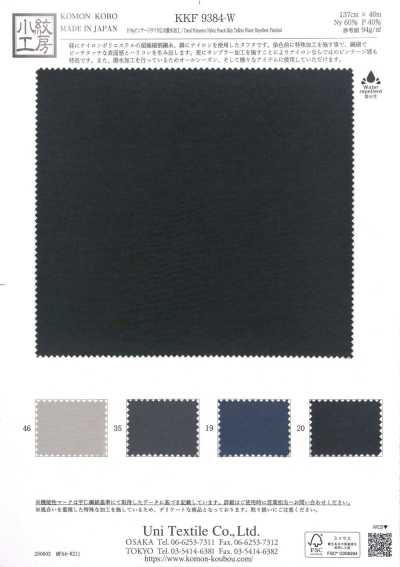
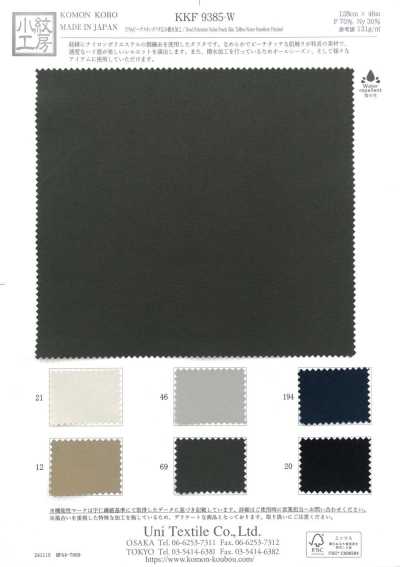
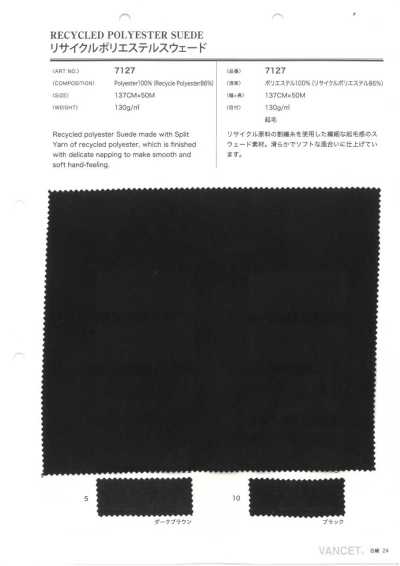
Because fine fibers created by splitting cover the surface, it is generally a material that easily expresses a smooth touch, a fluid drape, and a delicate brushed feel. Depending on the weave and finishing, it can also have a suede-like, peach-skin-like, or moist texture.
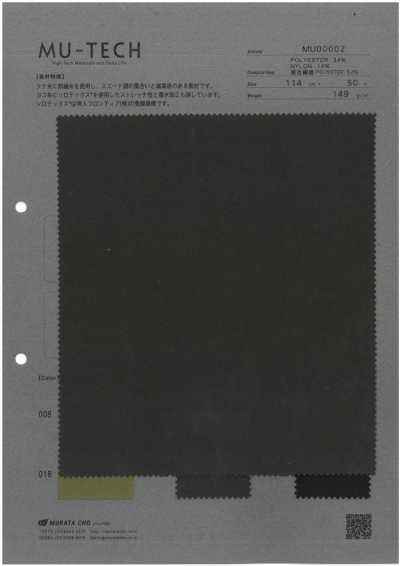
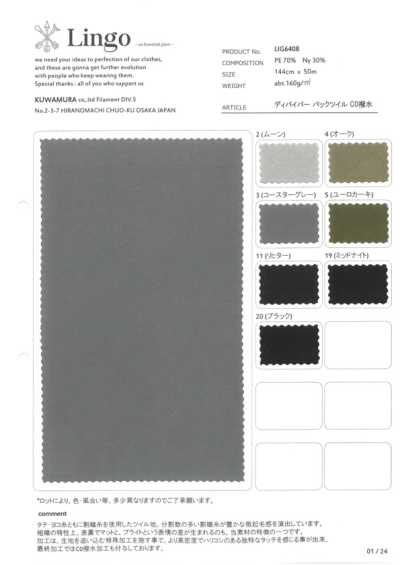
In satin and dechine, it is easy to create a subdued, deep luster or a wet-looking sheen, while in twill it tends to produce a matte appearance from slight brushing. Depending on the front and back sides and the weave, differences in luster may also appear.
As the fibers become finer, it may be possible to achieve softness while maintaining a sense of density. On the other hand, absorbency, breathability, warmth retention, and water repellency depend on the resin used, yarn usage, density, and processing, so they are not determined by split fiber yarn alone.
Main Uses and Suitable Items
Taking advantage of its drape and refined surface, it is used for blouses, shirts, skirts, dresses, pants, and dresses. In lightweight to medium-weight fabrics, it is also suitable for spring and summer apparel and layered items.
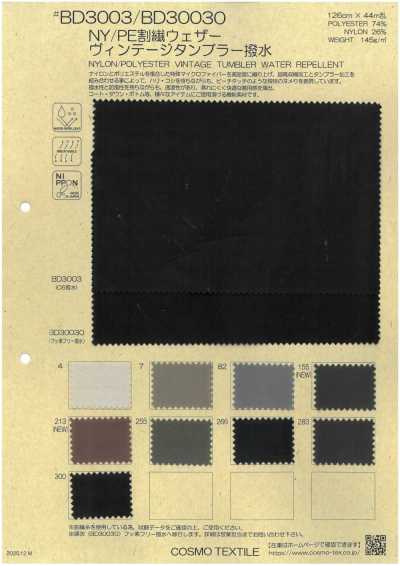
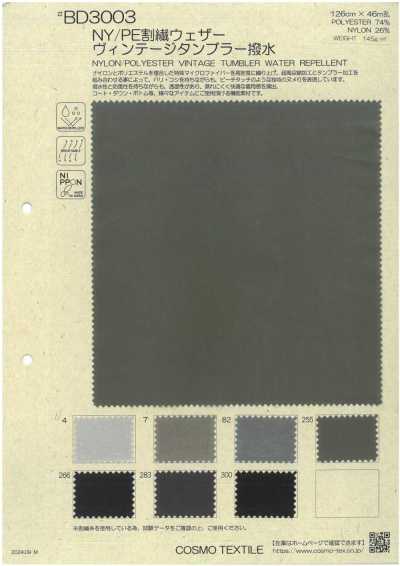
In high-density taffeta and twill, it is also used for outerwear, blousons, and coats. By combining water-repellent finishing and luster finishing, it is also possible to design items that combine a vintage look with functionality.
- When emphasizing fluid drape, check dechine, satin, and georgette constructions.
- When emphasizing slight brushing or a matte feel, check medium-weight fabrics such as twill.
- For outerwear applications, check density, water repellency, durability, and how smoothly it slides against the lining.
How to Choose and Handling Precautions
When selecting, check not only whether splitting is present and to what degree, but also the blend ratio, weave, fabric weight, and finishing. Even with the same split fiber yarn usage, gloss, brushed feel, firmness, and drape can vary greatly depending on the number of splits, fiber composition, and processing conditions. Be sure to check the front and back sides and the appearance after sewing with actual material.
Dimensional changes due to washing and heat and moisture vary depending on the material composition and finishing conditions. In particular, if product washing, tumbler drying, or steam finishing is planned, carry out shrinkage testing and appearance checks in advance, and follow the fabric's specified care instructions.
The delicate surface created by ultrafine fibers may become fuzzy, whiten, or change in appearance due to strong friction or rough hook and loop fasteners. In sewing, check for needle damage, feed marks, and puckering at the seams, and for thin fabrics, test sew with a fine needle and thread to determine the conditions.
Difference from Microfiber
Microfiber refers to fibers that are themselves extremely fine. Split fiber yarn refers to a manufacturing method and structure in which a relatively thick composite fiber made from multiple components is processed first, then split to obtain microfiber-like fibers.
Therefore, split fiber yarn can be considered one method for making microfiber. However, microfiber also includes materials spun from the start as ultrafine fibers, and not all microfiber is split fiber yarn.
Frequently Asked Questions
Are fabrics made with split fiber yarn wrinkle-resistant?
Wrinkle resistance cannot be determined by the use of split fiber yarn alone. It is affected by the material composition such as polyester, weave, density, and whether resin finishing or tumbler processing is used. For the intended product use, it is important to check wrinkles after washing and during wear through actual samples and testing.
Can split fiber yarn be machine washed at home?
Whether home washing is possible depends not on whether it is split fiber yarn, but on the fabric blend ratio, dyeing and finishing, accessories, and product specifications. To preserve the surface feel, a washing method that reduces friction may be required. Please check the fabric test results and the care instructions.
Are split fiber yarn and suede the same thing?
They are not the same. Suede is a material made by brushing the grain side of leather, or a term describing that kind of surface texture. Woven or knitted fabrics made with split fiber yarn can be finished to a suede-like appearance through the brushing of ultrafine fibers, but the material structure and manufacturing process are different.
- Search products for "split fiber yarn"
- Products with material "Polyester"
- Products with material "Nylon"
- Products with material "Composite Fiber (Polyester)"
- Products for style "For Shirts/blouses"
- Products for style "For Skirts And Dresses"
- Products for style "For Outerwear/blousons/coats"
- Products for style "For Costumes/dresses"
- Browse Fabric products