


Stockholding
Stockholding is a system in which a fabric supplier or seller holds a certain quantity in inventory with ongoing supply in mind, making it possible to trade with a relatively short lead time.
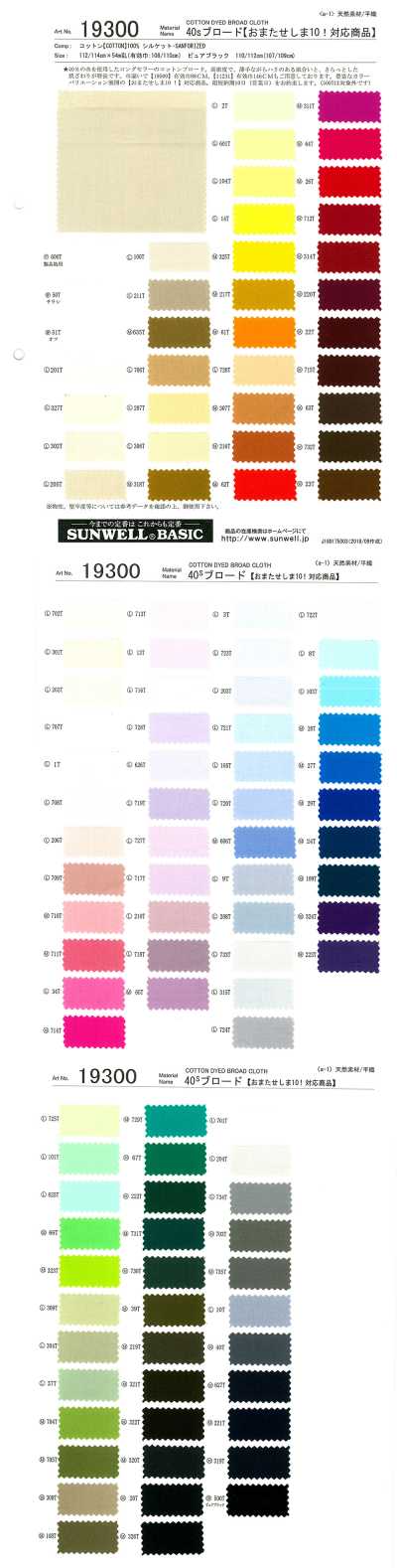
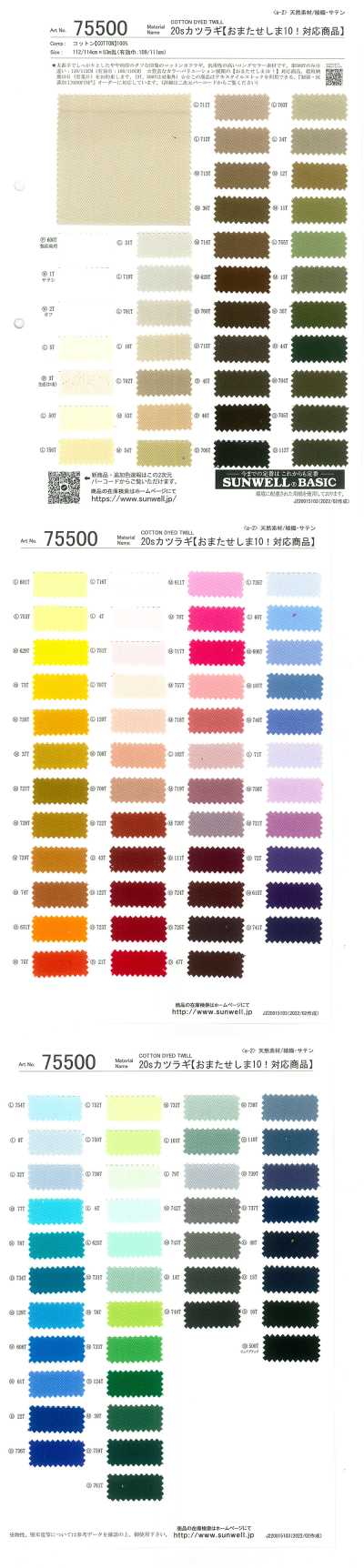
Contents6 sections
Definition and Overview
Stockholding is a transaction term that refers to how inventory is held and how supply is structured, rather than the fabric’s weave structure or material name itself. It refers to a state in which standard specifications, colors, or product numbers are stocked in advance and can be shipped sooner than made-to-order items produced after an order is received.
However, even when something is labeled as stockholding, it does not always mean that all colors and all quantities are immediately available. The party holding the inventory, applicable colors, holding period, and replenishment method differ by trading partner, so inventory must be checked each time.
Uses in fabric transactions
It is used in situations where fabric needs to be secured by the required date, such as early-stage sampling, additional production, or mass production with a short lead time. Choosing standard fabric from stockholding can sometimes make it easier to plan procurement than starting from weaving or dyeing.
In production management, check inventory quantity and replenishment plans before adoption, and when placing an order, secure the required number of rolls or meters. If there is a possibility of additional production in the sales plan, confirm not only the initial order but also whether additional quantities can be secured.
- Small-quantity arrangements for sample making
- Securing the quantity needed for initial mass production
- Handling additional production or additional colors
- Considering substitute colors or substitute specifications when items are out of stock
Points to check and how to think about quantity
Items to check include current stock, allocable quantity, ship date, replenishment plan, minimum lot, and length per roll. Displayed stock may not match the quantity that can actually be sold, so it is easier to make a decision if you also check allocation status for other projects.
The required quantity is calculated by multiplying the fabric consumption per pattern by the number of pieces to be produced, while also accounting for cutting loss, pattern matching, and shortages during inspection. If the required quantity is large compared with the stockholding quantity, confirm in advance whether the full amount can be secured at once and the range that can be matched within the same lot.
Since rough quantities vary greatly depending on the fabric, color, and transaction conditions, no uniform standard can be set. When deciding whether to place an order, it is important to confirm not only the required meters but also the number of rolls, the actual length of each roll, and whether there are any remaining rolls in the details.
Points to avoid misunderstandings
Even for stockheld items, changes in lot may result in differences in color tone, texture, width, and fabric weight. If the initial quantity and additional quantity will be used for the same product, confirm whether specifying the same lot is possible, and compare the actual goods if necessary.
“In stock” may be used to include immediate shipment, reserved stock, or scheduled arrivals. Share the quantity, unit, shipping date, and deadline for securing stock in writing, and confirm whether allocation has been completed before the order is finalized.
Stockholding is not a quality category that stands in opposition to made-to-order. Even with the same product number, specifying a color or processing that is outside the stockholding range may be treated as made-to-order. It is important to identify and confirm the color number, specifications, and processing conditions.
Differences from similar terms
The minimum lot is the minimum quantity required to accept an order, and is a separate condition from whether stockholding is available. Stockheld fabric may still have a minimum lot set, and conversely, made-to-order fabric may be available in small quantities depending on the transaction conditions.
Sample rolls and swatches are samples used to check the fabric’s color and texture. Stockholding is a term indicating the supply system, and does not guarantee sample provision or actual inventory availability. Leftover rolls usually refer to the remainder of past inventory, and are handled separately from stockholding, which assumes ongoing replenishment.
Frequently Asked Questions
If fabric is stockheld, can the same fabric be obtained for additional production?
It may be possible to obtain it, but it is not guaranteed. Conditions may change due to inventory depletion, discontinuation, changes in color variations, replenishment timing, and lot changes. If additional production is planned, confirm in advance whether the required quantity can be allocated, the replenishment schedule, and whether the same lot can be secured.
Are stockholding and inventory items the same meaning?
They are sometimes used in a similar sense, but stockholding often includes a system in which items are held with continuous supply in mind, while inventory items broadly refer to items that are in stock at that time. In actual transactions, it is necessary to confirm the applicable product number, stock quantity, replenishment schedule, and shipping conditions individually.
When ordering stockheld fabric, what quantity should be checked?
In addition to the required meters, check the allocable quantity, number of rolls, actual length of each roll, and whether there are end cuts or leftover rolls. Account for cutting loss and pattern matching, and also consider substitute arrangements if there is a shortage. If the same product is used, the number of lots and whether mixing lots is allowed are also important.





