Striped Sleeve Lining
Striped sleeve lining refers to a striped lining used on the inside of the sleeves of jackets, coats, and similar garments, or to that specification itself. It helps the garment slide on and off while also serving as a design detail visible at the cuff.
Contents6 sections
Definition and Overview
Striped sleeve lining refers to a tailoring method that uses striped lining on the inside of the sleeves, or to the lining itself. It is used together with solid body lining as a specification that shows the striped pattern when putting the arm through or when turning back the cuff.
Striped sleeve lining is not a material name or a weave structure name, but a name based on the use area and pattern. For this reason, even striped sleeve lining can vary in fiber type, weave structure, thickness, stretch, and luster from product to product.
Placement and Role
It is mainly used on the inside of sleeves in tailored jackets, suits, coats, uniforms, and similar garments. Sleeve lining is positioned between the arm and the outer fabric, and in addition to reducing friction and making the garment easier to put on and take off, it also helps reduce wear on the outer fabric and catching at the sleeve.
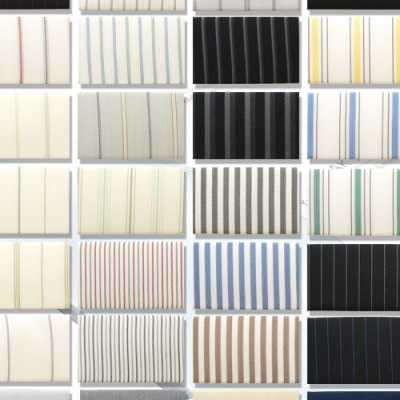
The striped pattern is easy to see near the cuff, adding character to a solid outer fabric. On the other hand, since it is not intended to be constantly visible, the strength of the pattern is considered according to the outer fabric and body lining color, as well as the overall intended use of the garment.
Materials and Types
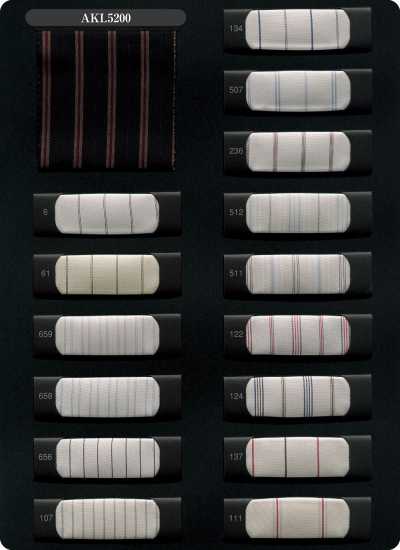
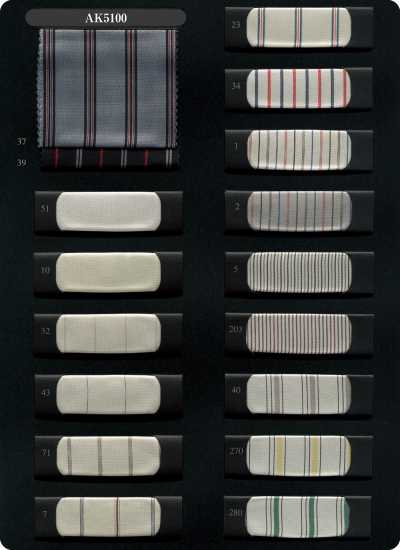
Striped patterns are created by using yarn dyed yarn, by printing, or by adding texture through changes in weave structure. In addition to how the pattern looks, it is also necessary to check the smoothness of the surface, durability, and suitability for washing and dry cleaning.
Woven striped sleeve lining is common, but for garments that require stretch, stretch lining or knit lining may also be used. Because the arm moves a lot in the sleeve, it is important that the lining does not resist the stretch of the outer fabric too much.
- Fine stripes tend to create a restrained and neat impression.
- Wide stripes or stripes with strong color contrast increase the design impact at the cuff.
- The degree of luster should be chosen in balance with the texture and intended use of the outer fabric.
How to Choose and Points of Caution
If the outer fabric is a material such as wool that is not very slippery, a smooth lining that does not hinder ease of arm insertion is suitable. For lightweight garments, check whether the weight and stiffness of the lining will impair the drape of the outer fabric, and for light-colored or thin outer fabrics, check whether the striped pattern or dark color will show through to the outside.
For stretch outer fabrics, check the stretch direction and stretch recovery of the lining. If only the lining does not stretch, it may become tight when the arm bends and stretches, which can increase strain on the seams and reduce comfort.
- Lay the outer fabric and lining together and check transparency and color appearance.
- Check the slipperiness in the arm direction with the actual outer fabric combination.
- Match the washing and dry-cleaning conditions of the outer fabric and lining.
- Specify the stripe direction clearly in the specification sheet.
Notes on Sewing
If the stripe direction or pattern position differs between the left and right sleeves, it will be noticeable, so check the grain direction and stripe direction before cutting. If the stripe spacing is wide, the cutting position may be controlled to match the appearance on both sides.
The sleeve lining is sewn to the outer fabric around the cuff, underarm, and armhole area. If striped sleeve lining has little stretch, set the seam allowance treatment, ease, and amount of fullness appropriately so that it does not interfere with sleeve shaping or arm movement.
Frequently Asked Questions
Are striped sleeve lining and striped pocket lining the same?
No, they are not the same. Striped sleeve lining refers to the use of a striped pattern in the sleeve lining area or specification. Striped pocket lining refers mainly to striped lining used for pocket bags. Because the applications, thickness, and slipperiness differ, check the tailoring and comfort when substituting.
Can striped sleeve lining be used in stretch jackets?
Yes, but you need to check how well the lining follows the stretch of the outer fabric. If the lining does not stretch, arm movement may be restricted. Choose a stretch lining, or confirm the wearing comfort through prototypes, including the ease in the pattern and sewing.
Which direction should the stripes on striped sleeve lining run?
They are often used so they appear vertical, but this depends on the pattern design and fabric direction. Confirm from the specification sheet and the actual garment that the direction matches on both sleeves, that cutting follows the grain, and that the appearance at the cuff is as intended.