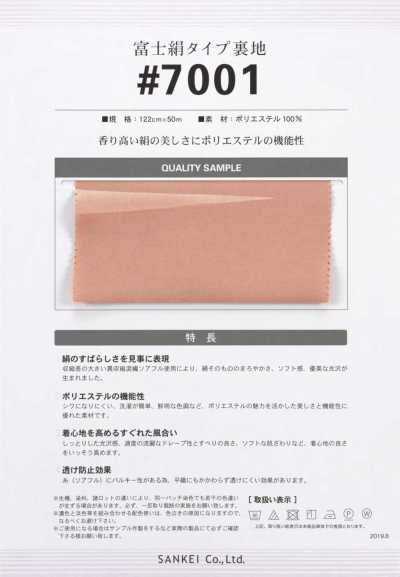
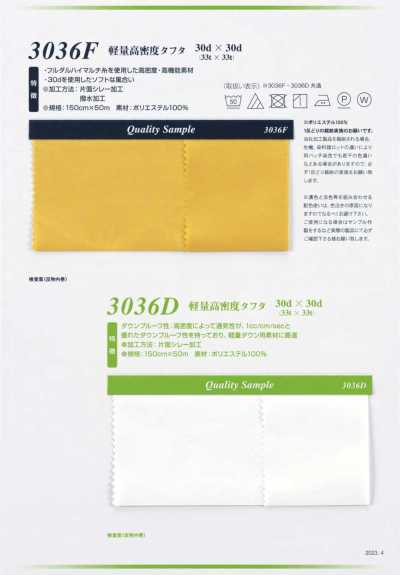
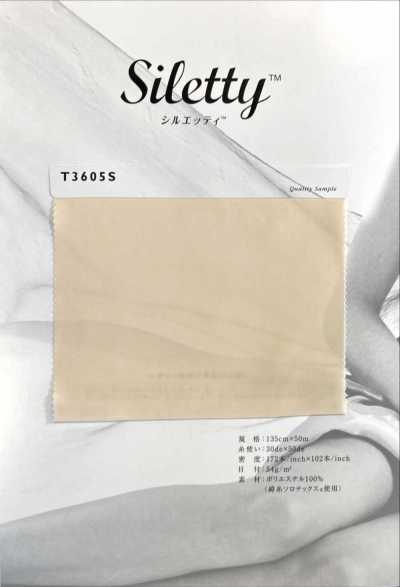
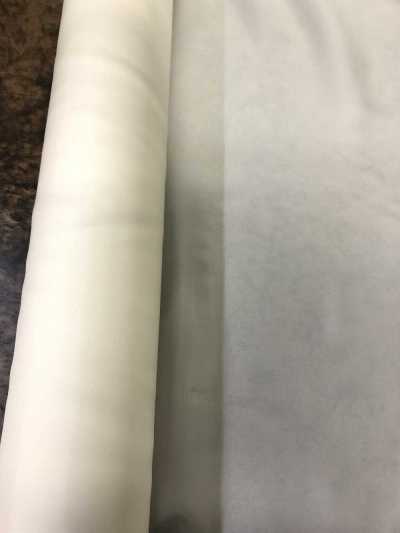
Taffeta Lining
Taffeta lining is a lining made from plain-woven taffeta woven densely with fine yarns, used to make garments easier to put on and take off and to reduce sheerness and friction of the outer fabric.
Contents6 sections
Definition and Overview
taffeta lining is a type of lining generally made from thin to medium-weight plain-weave taffeta, used on the inside of garments. It is characterized by a relatively smooth surface, moderate firmness, and a light sound when rubbed, supporting the outer fabric while maintaining the inner lining.
taffeta is a name that indicates a type of fabric, not a fiber name. Therefore, the smoothness, drape, sheerness , and durability will vary depending on the shape, density, and processing of the fibers and yarn used, such as polyester and cupro .
Parts used and their roles
It is used in jackets and coats for the body lining, sleeve lining, and back lining, and in pants, skirts, and dresses as a fully lined or partial lining. In particular, the smoothness with which the sleeves slide on affects the wearing comfort and ease of putting on and taking off the garment.
Adding a lining reduces direct friction between the outer fabric and the skin or clothing worn underneath, minimizing wear and tear and clinging. For light-colored or thin outer fabrics, it also helps conceal the inner seams and reduce sheerness.
- For the sleeve lining, choose a material that prioritizes smoothness.
- The body lining is chosen to complement the outer fabric, ensuring it doesn't detract from the drape and silhouette.
- When choosing skirts or dresses, check for see through prevention and ease of movement.
Materials and types
polyester taffeta linings are relatively easy to handle and come in various types depending on the applications, including high-density, recycled material, and water-repellent finishes. cupro linings are considered for garments where flexibility and moisture absorption/release are desired, but it is important to check the handling conditions for each product.
Even with the same taffeta lining, the surface texture and functionality can vary depending on the thickness of the yarn, the use of irregularly shaped cross-section yarn, the weave density, and the finishing process. Features such as static electricity suppression, sheerness, and elasticity cannot be determined solely from the name "taffeta."
How to choose and points to note
If the outer fabric is thin, light-colored, or easily lets light through, check the color, sheen, and sheerness of the lining by placing it over the outer fabric. If the sheen or dark color of the lining affects the outer fabric, the appearance of the outer side may differ from what was intended.
While woven fabrics generally pair well with taffeta linings, which have minimal stretch, using non-stretch linings with highly stretchable outer fabrics or knits may hinder the fabric's movement during activity. In such cases, consider using stretch or knit linings.
For brushed outer fabrics, coarsely woven outer fabrics, and materials with high friction, we actually layer them to check their slipperiness. If the outer and inner fabrics are too slippery, they may shift during wear, so a balance is necessary depending on the applications.
Sewing Instructions
Because taffeta linings can be thin and slippery, when cutting, ensure the grain is aligned and handle the layered fabric carefully to prevent shifting. When sewing, use a thin needle and fine sewing thread as a guide, and test stitch to check needle holes, shrinkage, and puckering depending on the fabric .
The outer and inner fabrics are evaluated in advance for dimensional changes after washing or dry cleaning, color transfer, and static electricity. In fully lined garments, providing the necessary ease at the hem and cuffs, and preventing the outer fabric from being pulled taut, contributes to a natural drape when worn.
FAQ
What is the difference between taffeta lining and twill lining?
taffeta linings are characterized by their relatively flat surface and stiffness, primarily due to their plain weave. Twill linings, on the other hand, refer to those with visible diagonal ridges due to their twill weave, and generally appear softer than taffeta . However, the texture and smoothness vary depending on the fibers, density, and processing, so it's best to compare them in person.
Can taffeta lining be used with stretch fabric ?
While it may be usable in some cases, non-stretch taffeta lining may restrict the stretch of the outer fabric. It may work for partial use, but for areas with a large range of motion or when using it over the entire surface, check the stretch and recovery of the outer fabric and lining together, and choose a stretch lining if necessary.
Can taffeta lining be used to see through prevention ?
It can be applications to reduce the sheerness of the outer fabric, but its effectiveness varies depending on the combination of the lining's color, density, and sheen with the outer fabric's color and thickness. For white or light-colored outer fabrics, a color close to skin tone or a color that blends well with the outer fabric may be suitable. Always layer it with the outer fabric and check the sheerness under lighting.
- Browse Taffeta Lining products
- Products with material "Polyester"
- Products with material "Cupro"
- Products for style "For Jackets/Suits"
- Products for style "For Pants"
- Products for style "For Skirts And Dresses"
- Products for style "For Formal Wear"
- Products for style "For Outerwear/blousons/coats"
- Browse Lining products