Lining
Lining is a general term for fabrics attached to the inside of garments and fashion items to make them easier to put on and take off, protect the outer fabric, reduce sheerness, and improve the appearance.
Contents5 sections
Definition and Overview
Lining is a general term for fabric used on the inside of jackets, coats, skirts, pants, and other garments. It is cut and sewn separately from the outer fabric, and may cover the inside of a garment or be placed only in certain areas. It is also called lining fabric or lining.
Lining is not a specific fiber name or weave structure name. Even within lining, material, weave, thickness, and function vary, and it is selected according to compatibility with the outer fabric and the product’s intended use. Interlining is a supporting accessory used to hold shape, and its role differs from lining, which covers the inside.
Main Types and Differences
Representative examples by weave include taffeta lining, twill lining, and kersey lining. Taffeta lining has a relatively smooth, light texture, while twill lining has the appearance and suppleness of a twill weave. Kersey lining may refer to a lining with more pronounced ridges than twill lining.
When classified by function or design, options include anti-static lining, see-through prevention lining, stretch lining, knit lining, mesh lining, thermal lining, and quilt lining. Anti-static lining is mainly intended to reduce cling, mesh lining to improve breathability, and quilt lining to add warmth.
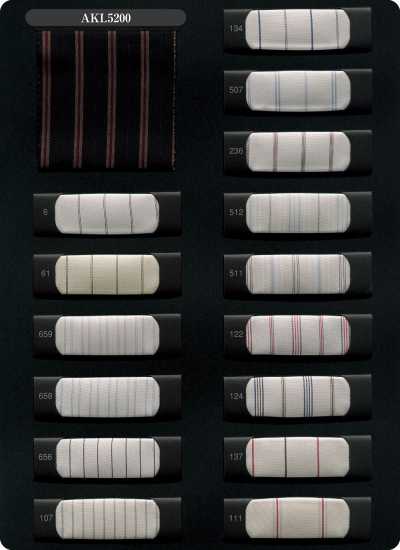
Types that emphasize appearance include Jacquard lining, printed lining, and striped sleeve lining. Jacquard lining is characterized by woven patterns, while printed lining is characterized by patterns created through dyeing or printing. Striped sleeve lining is often used in the sleeve area and also serves as a design feature when the garment is taken off.
- Taffeta lining: used when lightness and a smooth surface are priorities.
- Twill lining: chosen when suppleness and drape are desired.
- Kersey lining: has a distinct twill ridge texture.
- Stretch lining: a lining that works well with the movement of stretch outer fabrics.
- Thermal lining and quilt lining: used in products that need added cold-weather protection.
How to Choose and How to Find It in Product Listings
When selecting lining, check the outer fabric’s stretch, thickness, friction, and drape, as well as the product’s wearing season and intended use. For stretch outer fabrics, stretch lining or knit lining is suitable, and for sleeves or pants with lots of movement, choose a lining with smooth glide. For sheer outer fabrics, also check the color and see-through prevention performance.
Fabric width and required yardage vary depending on pattern layout, whether the garment is fully lined or half lined, and the use area such as sleeve lining or knee lining. Fully lined means a specification that broadly covers the body and sleeves, while half lined means leaving part of the back in the outer fabric. Color should be checked not only for harmony with the outer fabric but also for its effect on light-colored outer fabrics.
In product listings, narrow your search by lining type, material, fabric width, color, function, and intended use. It becomes easier to choose if you narrow candidates by use such as jackets, suits, coats, pants, or skirts, and then compare blend ratio, fabric weight, stretch, and anti-static performance against the specification sheet.
Handling and Sewing Notes
Lining and outer fabric can be affected by shrinkage, color transfer, and differences in stretch caused by washing or dry cleaning. Before mass production, make a sample using the outer fabric and lining together and perform washing tests to check for puckering, seam distortion, and lining showing at hems or cuffs.
Slippery lining can shift easily during cutting, so align the grain and avoid cutting multiple layers together when necessary. In sewing, use a fine needle and thread suitable for the fabric, and adjust thread tension and feeding. It is also important to add the appropriate amount of ease and stabilize the position of the outer fabric and lining with an interior stay stitch.
Frequently Asked Questions
How is lining different from pocket lining?
Lining refers to fabric used on the inside of garments in general. Pocket lining is a relatively durable pocket-bag fabric used mainly for pants pocket bags and around the waist. The intended use and required durability differ, so pocket lining is not always used in place of lining.
What kind of lining should be chosen for stretch garments?
If you use a lining that does not follow the stretch of the outer fabric, it may cause tightness or stress at the seams when worn. In general, stretch lining or knit lining is considered, and the stretch direction of the outer fabric, recovery, and sewing specifications should be checked together.
How does the required amount of lining change between fully lined and half lined?
Fully lined garments broadly cover the body and sleeves with lining, so they generally require more yardage than half lined garments. However, the required amount varies depending on fabric width, size range, pattern, grain direction, and cutting method, so confirmation by marker layout is necessary.
- Browse Functional Lining products
- Products with material "Polyester"
- Products with material "Silk"
- Products with material "Rayon"
- Products with material "Lyocell"
- Products with material "Cupro"
- Products with material "Modal"
- Products with material "Acetate"
- Products for style "For Outerwear/blousons/coats"
- Products for style "For Pants"
- Products for style "For Skirts And Dresses"
- Products for style "For Jackets/Suits"
- Products for style "For Formal Wear"
- Browse Lining products