Temporary Fusible Interlining
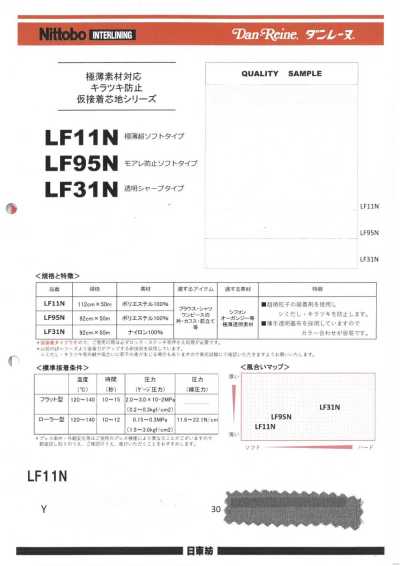
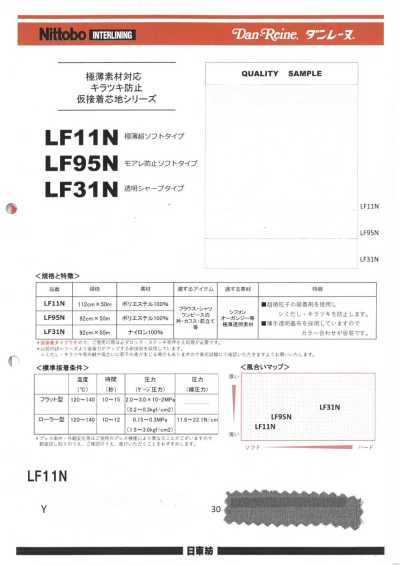
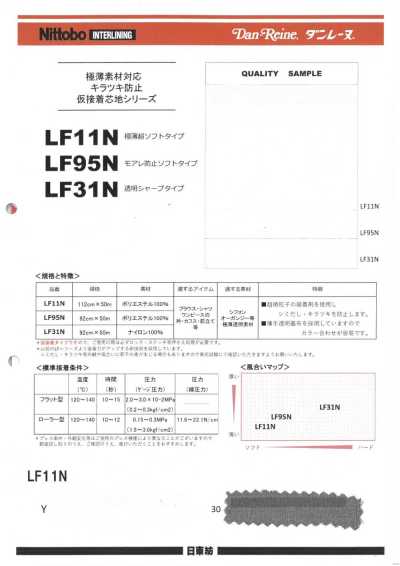
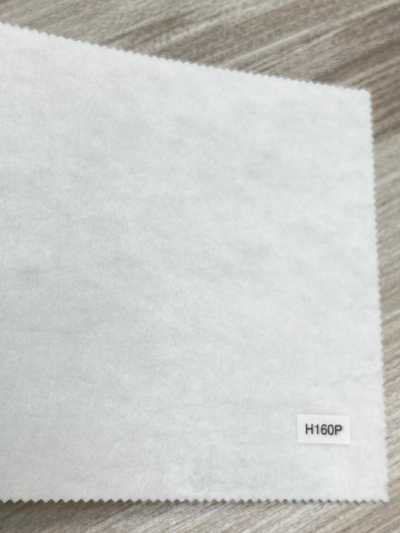
Temporary fusible interlining is a fusible interlining that gives the outer fabric temporary adhesion with an iron or similar tool, suppresses shifting during sewing, and provides reinforcement and shaping as interlining.
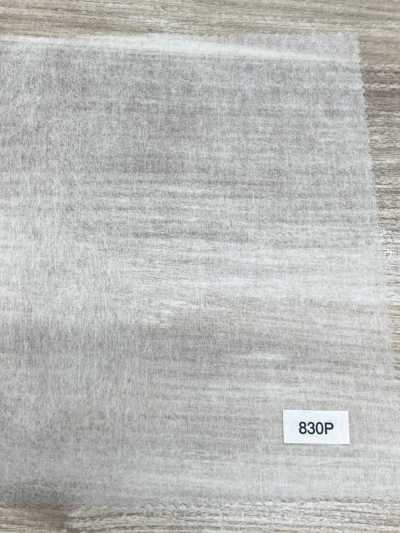
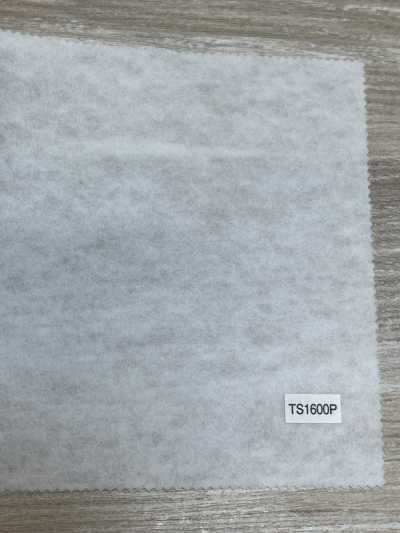
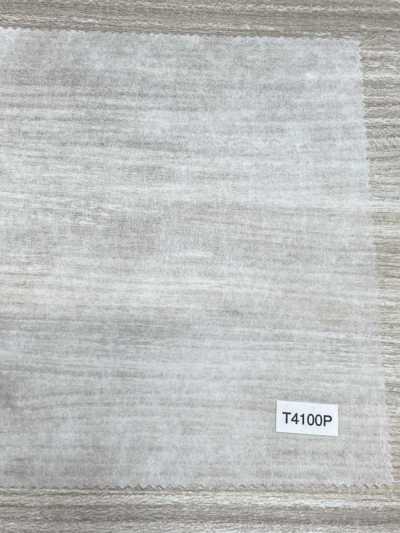
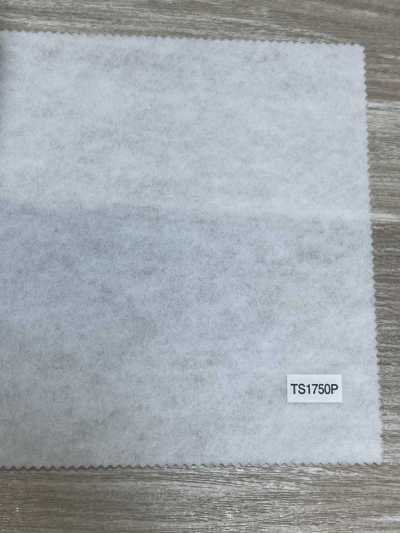
Contents6 sections
Definition and Overview
Temporary fusible interlining is an interlining used to temporarily fuse to the outer fabric with heat and pressure, stabilizing parts after cutting. It suppresses shifting during sewing and makes collars, plackets, facings, and similar parts easier to handle. Its intended use differs from interlining whose sole purpose is to permanently and firmly fix the shape of the outer fabric.
“Temporary fusion” is a term that mainly refers to adhesion used to hold position during the sewing process. It does not necessarily mean that it can be peeled off, and the holding performance after bonding and the condition after washing vary depending on the interlining specifications, the outer fabric, and the bonding conditions.
Areas of Use and Role
Temporary fusible interlining is used to integrate the outer fabric and interlining before sewing, in order to suppress shifting, twisting, and stretching of layered fabrics. It is useful for stabilizing work on thin fabrics, slippery fabrics, and areas that tend to stretch diagonally.
Typical applications include collars, collar stands, cuffs, plackets, facings, pocket openings, and waistband sections. However, because the required firmness and shape retention differ by area, whether temporary fusible interlining alone should provide the final shape retention is judged according to the product specifications.
Materials and Types
Base materials include nonwoven, woven, and knitted fabrics. Nonwoven materials are easy to cut and handle, while woven interlinings tend to provide stability along the grain. Knit interlinings are considered when some of the outer fabric's stretch needs to be preserved.
The fusing side is coated with a heat-activated resin. Depending on the type and application state of the fusible resin and the structure of the base material, the bond strength, hand, and conformability will vary. Even within the same temporary fusible type, performance is not uniform, so confirm it through specifications and test results.
How to Choose
Select the outer fabric and interlining based on balance among thickness, weight, stretch, surface feel, and the desired level of firmness. If a thick, stiff interlining is paired with a thin, soft outer fabric, the outline of the interlining may show through the surface or the natural drape may be lost.
Also check the structure and grain of the outer fabric. For woven fabrics, woven interlining, nonwoven interlining, or interlining designed with stretch in mind may be selected for knits, but it cannot be decided by material name alone. It is important to verify the hand and sewability through prototypes combining the actual outer fabric, interlining, and sewing specifications.
- Match the interlining thickness and stiffness to the outer fabric.
- Check the stretch direction of the outer fabric and the grain of the interlining.
- For light-colored, thin, or smooth-surfaced fabrics, check for strike-through and fading.
- For products intended for washing or dry cleaning, confirm durability after fusing.
Fusing and Sewing Precautions
Fusing should be performed according to the temperature, time, and pressure specified for each interlining. If the temperature is insufficient, bonding may be weak; excessive heat or pressure can cause gloss, shrinkage, or changes in hand in the outer fabric. Confirm not only the conditions of the fusing press machine, but also the heat resistance of the outer fabric.
After fusing, allow it to cool sufficiently before cutting or sewing. If the material is moved before cooling, the bond may not stabilize. Also, check for needle or presser-foot catching, puckering, and sewing shift before mass production, and adjust the sewing machine conditions or interlining type as needed.
Frequently Asked Questions
Is temporary fusible interlining something that must always be peeled off after fusing?
Not necessarily. The “temporary” in temporary fusible interlining may indicate that the main purpose is to hold position and prevent shifting during sewing. Whether it can be peeled off and the final bonded state in the finished product depend on the interlining specifications and the fusing conditions.
What is the difference between temporary fusible interlining and regular fusible interlining?
Regular fusible interlining is selected with emphasis on reinforcing the outer fabric, maintaining shape, and adding firmness, while also prioritizing durability of the bond in the finished product. Temporary fusible interlining places more emphasis on ease of handling during sewing and preventing sewing shift, but the actual performance differences must be confirmed in each interlining specification.
What should be noted to prevent sewing shift with temporary fusible interlining?
The basics are to select interlining thickness and firmness that suit the outer fabric and to fuse it evenly under the specified conditions. After fusing, work only after cooling, and check the grain of the interlining, the sewing machine feed, and presser-foot pressure. Before mass production, conduct sewing tests under the same conditions.