


Striped Rib Knit
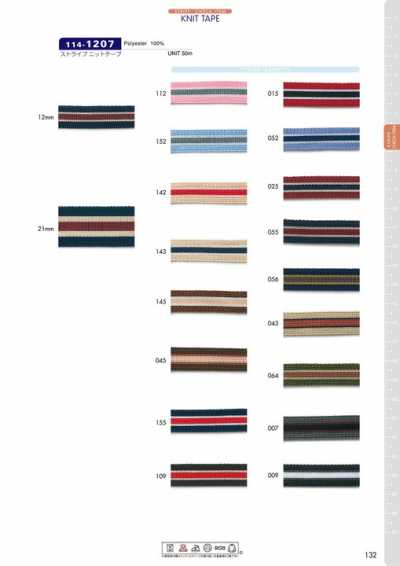
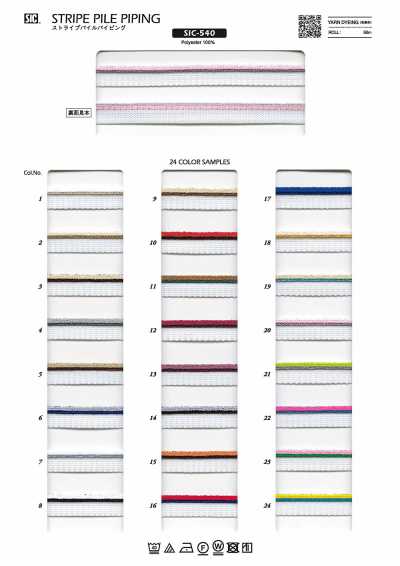
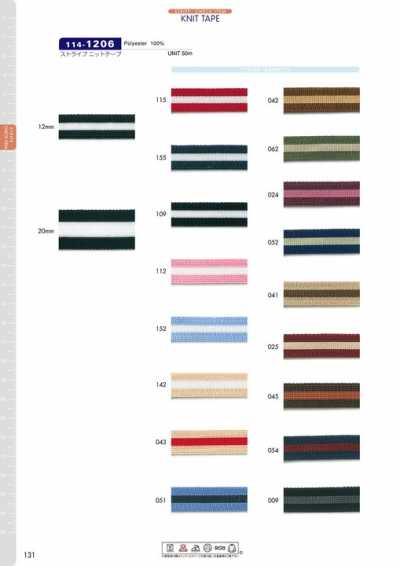
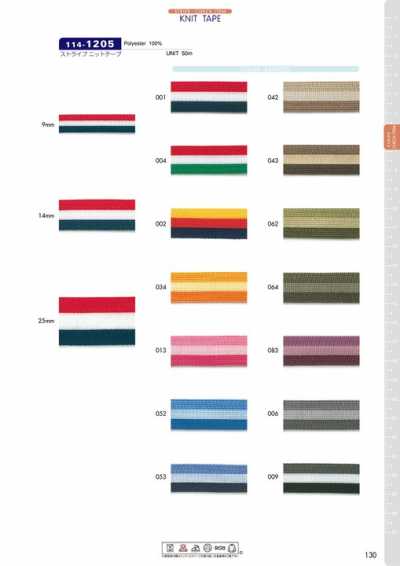
Striped rib knit is a knitted accessory used for cuffs, hems, collars, and similar parts, with one or more horizontal lines knitted into a rib knit base structure using colored yarns.
Contents6 sections
Definition and Overview
Striped rib knit is a knitted accessory that expresses linear patterns by switching color combinations on a stretch rib knit base. Compared with solid rib knit, it draws attention to the color-change sections more easily and can add sporty, uniform-style, or traditional-style design elements.
“Tilden line” generally refers to a traditional-style expression using multiple colored lines. By contrast, striped rib knit is a broader term that does not limit the number of lines or color combinations.
Knitting Method and Structure
In many cases, it is knitted in a rib structure with knit stitches and purl stitches arranged alternately, and horizontal lines are created by switching yarn colors at specified positions. The ribs appear vertically, while the lines run horizontally, so when stretched, the line width and appearance change.
Materials include cotton, polyester, and acrylic, and polyurethane or rubber yarn may be combined to improve fit and recovery. The line pattern is generally formed by knitting rather than by post-processing print.
How to Specify It
In orders and specifications, state the gauge, finished width, total length, base color and line color, number of lines, width of each line, and line spacing. Gauge is an indication related to needle density, and different values change the fineness of the ribs, thickness, and hand feel.
“Number of rubber strands” may refer to the number of elastic yarns inserted, their positions, or the spacing of the knitting insertion. However, the meaning differs by trading partner, so it is important to separately confirm the type of rubber yarn, insertion position, and how many courses apart it should be inserted.
- Finished width and total length
- Gauge and rib structure
- Base color, line color, and number of lines
- Line width and line spacing
- Specification of elastic yarn or rubber yarn
Main Applications and How to Choose
Main applications include sleeve openings and hems for blousons and stadium jumpers, collars for polo shirts and knits, and openings for knit caps. It can be used in the same color family as the body for a subtle look, or with stronger color contrast as a design accent.
When selecting it, confirm the finished measurement of the attachment area, the stretch recovery of the rib, and the balance of thickness and hand feel with the body fabric. Sleeves require a snug feel and recovery, collars require comfort around the neck and shape retention, and hems require holding power to stabilize the body.
Sewing Notes
Before cutting, establish the line position as a reference and manage it so the line height matches on the left and right cuffs and the front and back body sections. When joining in a loop, decide in advance the color-change position and seam allowance direction so that the lines do not shift at the side seam.
If the rib is sewn on while being stretched too much, the body may ripple after sewing, or the lines may appear slanted. Check the amount of stretch with a sewing sample, and adjust the differential feed and presser foot pressure to attach it evenly.
Frequently Asked Questions
What is the difference between striped rib knit and Tilden line?
Striped rib knit refers broadly to accessories that add horizontal color lines to rib knitting. Tilden line is often used to refer to a traditional-style design with multiple lines. However, the scope of the term varies depending on the trading partner and product category.
What should be included in the specification sheet for striped rib knit?
List the gauge, finished width, total length, base color and line color, number of lines, and the width and spacing of each line. In addition, if rubber yarn or elastic yarn is used, indicate the yarn type, insertion position, and insertion interval. Using both color swatches and knitting samples helps reduce misunderstandings.
What should be noted when sewing striped rib knit on?
Be careful of rippling in the body caused by over-stretching during attachment, and of line misalignment left to right or around the circumference. Determine the amount of rib reduction relative to the attachment area with a sample, and sew while matching the notches and line positions. Also confirm the continuity of the color pattern at the seams.





