


Back Stay
A back stay is a reinforcing cloth attached mainly to the inside of the upper back panel of jackets and coats to shape the shoulder-to-back area and prevent stretching.
Contents6 sections
Definition and Overview
A back stay is a pressing cloth placed on the inside of the back panel, mainly from around the shoulder blades to the center back. In English, it is called a back stay, and it helps prevent the outer fabric from stretching or losing shape while also improving stability when worn.
In jackets and coats, it is often attached only to the upper part of the back panel. It may sometimes be visible as part of the lining, but it is not just decorative; it is a component that plays a supporting role in tailoring.
Placement and Function
As a rule, a back stay covers both sides around the shoulder blades while crossing the center back line. It supports areas that are prone to stress during wear or when hanging on a hanger, such as the shoulder line, armhole, and center back, and helps prevent sagging and stretching in the back panel.
In unlined-back constructions, the back stay also functions as the upper lining. It covers seam allowances in the unlined area to improve comfort and is also used to reduce the area where the outer fabric comes into direct contact with the skin or inner layers.
- Reinforcement around the shoulders and center back
- Prevention of stretching and loss of shape in the back panel
- Partial lining in unlined-back tailoring
- Covering seam allowances and adjusting comfort
Materials and Types
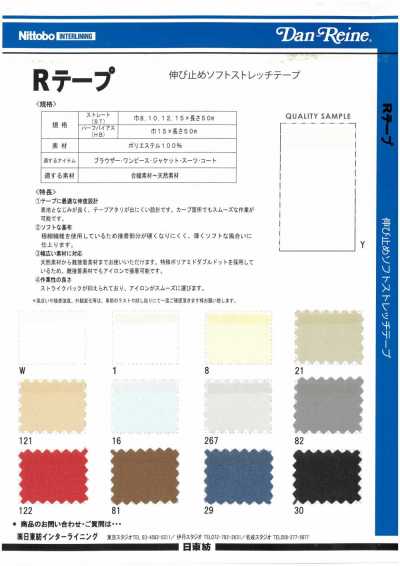
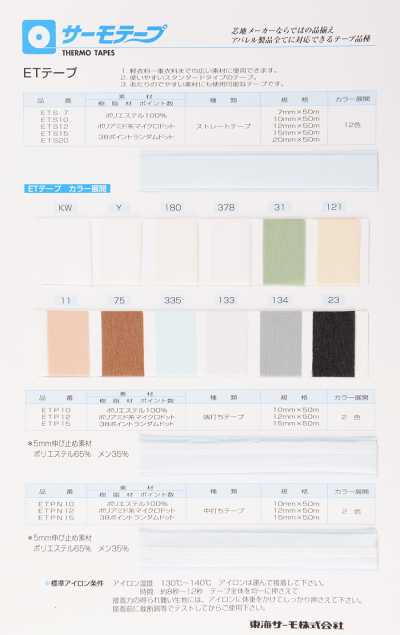
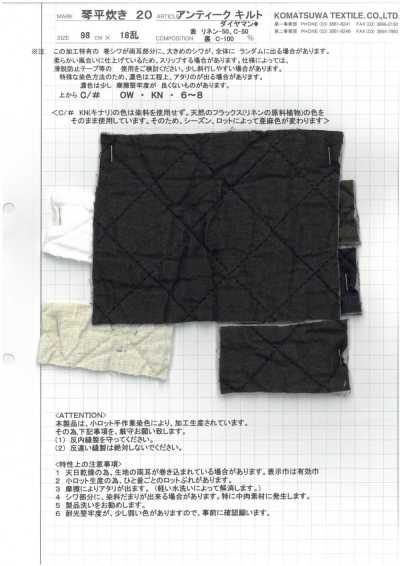
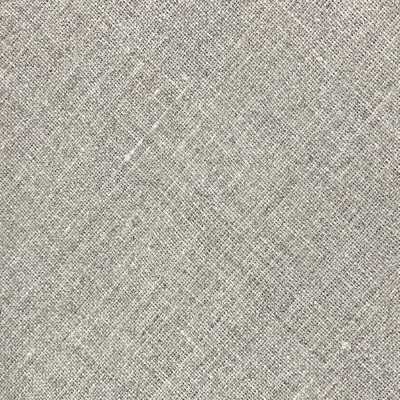
Materials include lining fabric, fabric matched to the outer fabric, and thin separate cloth. When smoothness is important, a smooth lining may be used; when stability of the outer fabric is the priority, a fabric with a feel and strength close to the outer fabric may be chosen.
A back stay is not the name of a fabric itself, but the name of a part and its specification. For that reason, materials vary depending on the purpose, including woven fabric, knit, and nonwoven fabric. With thin fabrics, sheerness is a concern, while with thick fabrics, steps at seams and bulkiness must also be considered.
Selection and Sewing Considerations
If the outer fabric is slippery, stretches easily, or is thin and somewhat sheer, consider the thickness, slipperiness, and color of the back stay in relation to the outer fabric. If the back stay is too stiff, it can restrict back movement; if it is too soft, it will not provide enough reinforcement.
If the stretch or shrinkage behavior after washing differs greatly between the outer fabric and the back stay, it can cause seam puckering, waviness, or loss of shape. It is important to align the grain, cut carefully, and confirm whether fusible interlining is used, how the seam allowances are finished, and the pressing conditions before sewing.
On thin outer fabrics, the outline of the back stay and its seam allowances may show through to the right side. Avoid creating a sharp step at the edge of the back stay, finish seam allowances as needed, and check right-side impressions and movement when worn through a sample.
Differences from Similar Terms
A back stay refers to the reinforcing or partial lining area attached to the upper back panel. Body lining refers to lining used throughout the body, sleeve lining is the lining on the inside of the sleeves, and fully lined means a construction in which the body and sleeves are broadly covered with lining.
A facing is a pressing cloth mainly used on the inside of the front panel of a jacket to reinforce areas around pockets. Its location and purpose differ from a back stay. Also, depending on the product category, pads or leather parts that contact the back may be called a back stay, so the specification should clearly define the part and function.
FAQ
Do back stay and unlined-back mean the same thing?
No, they do not. A back stay refers to a pressing cloth or partial lining attached to the upper back panel, while an unlined-back construction means the lining is not applied over the entire body and part of the back side is omitted. In an unlined-back specification, a back stay may be provided.
What kind of fabric should be chosen for a back stay?
Choose according to the thickness, stretch, sheerness, and intended use of the outer fabric. If ease of putting on and taking off is a priority, a smooth lining is a candidate; if shape retention is more important, a fabric with moderate body is suitable. Also check in advance for differences in shrinkage and color show-through against the outer fabric.





