Corsage
A corsage is an accessory made of fabric or other materials shaped like flowers and leaves, attached to the chest or shoulder of clothing to add elegance to formal wear.

Contents7 sections
Definition and Overview
A corsage is an accessory centered on flowers. Some are made with fresh flowers, artificial flowers, or fabric flowers, and in Japan it often refers to an ornament worn on a woman's chest at ceremonies and celebrations.
It may refer not only to the flowers themselves, but also to the finished piece as a whole, with the floral materials gathered together and fitted with a fastener. Because it is attached to clothing, it is distinguished from hair ornaments and bouquets held in the hand.
Parts and Construction
Generally, it consists of the flower section, supporting elements such as leaves and ribbons, a base, and a fastener. Some are made to look like a single bloom, while others combine multiple flowers and buds to create a raised effect.
Fasteners include brooch pins, safety pins, and clips. They are often attached to the left chest, shoulder, or neckline of jackets and dresses, but with thin or highly stretchable garments, care is needed regarding weight and pinholes.
- Brooch pins hold securely and stably, but may leave pinholes in the garment.
- Clips are also easy to use on hair and bags, but on thick fabric, check how well they hold.
- Adjust the flower's direction and the direction of the stem-like part, and check the shape in a position close to the face.
Materials and Finishing
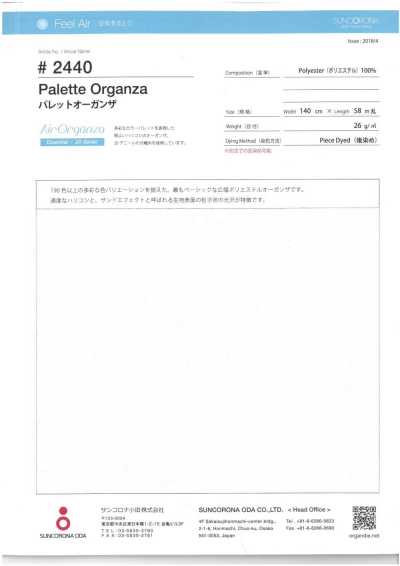
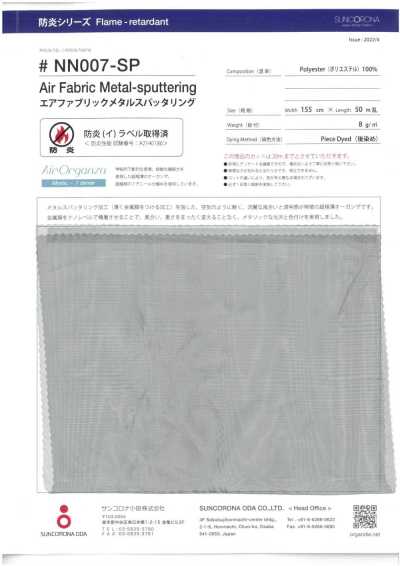
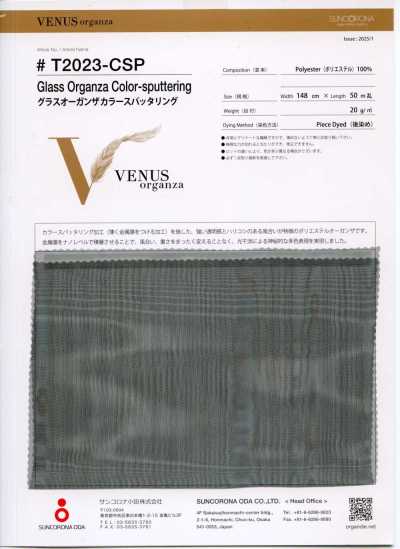
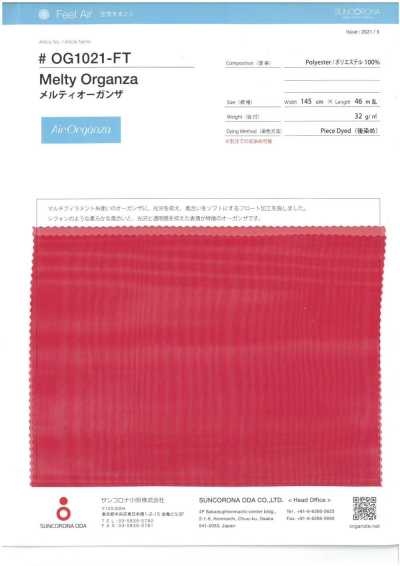
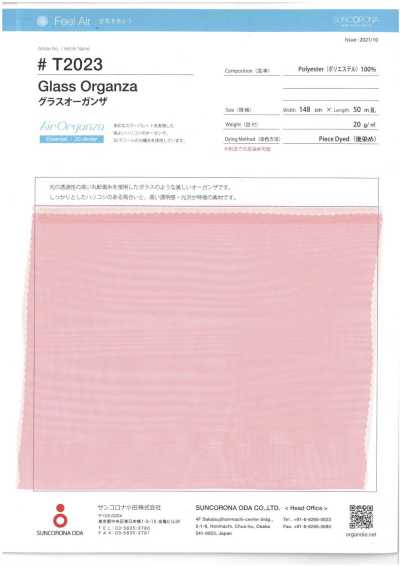
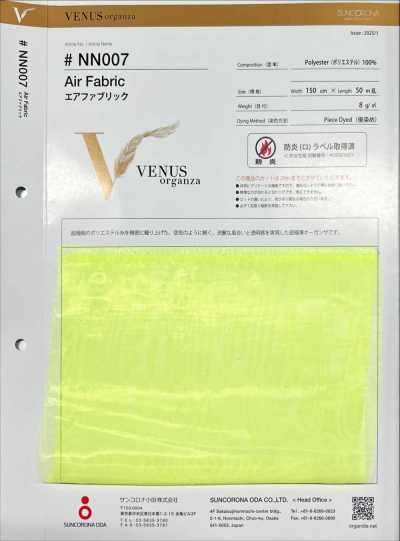
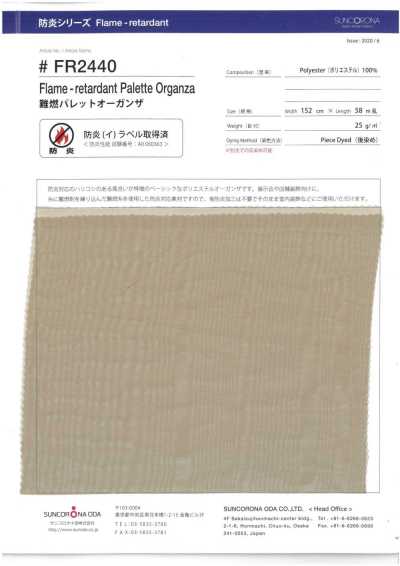
For fabric versions, organza, satin, chiffon, lace, and similar materials are used. Thin, sheer materials create a light layered look, glossy materials add elegance, and matte materials create a calm impression.
The petals are formed by layering cut fabric and shaping it with heat or sewing, and shape may also be maintained with anti-fray treatments, interfacing, or wire. Finishing touches may also include pearl-like components, beads, and ribbons.
How to Match with an Outfit
For celebrations such as daytime ceremonies, entrance ceremonies, graduation ceremonies, and weddings, it is easier to create a balanced look by choosing a subdued shine and size that match the tone and formality of the outfit. For daytime formalwear, fabric flowers that resemble fresh flowers or items in pale colors are sometimes used.
For glamorous evening occasions, raised pieces made with glossy materials or beads are also easy to pair. However, avoid sizes or strong shine that stand out more than the main wearer, and check the harmony of color count and texture with the dress, bag, and shoes.
For mourning occasions, ornate floral decorations are generally avoided. It is important to confirm the distinction between celebratory and mourning dress, the event notice, and local or organizational customs in advance.
Choosing and Handling Notes
When choosing one, check the fabric thickness, weave, color, collar shape, and the corsage's weight and fastener type for the garment it will be worn with. Delicate fabrics can be easily damaged by pins, so it is reassuring to test how it holds in an inconspicuous area.
When storing, place it in a box or similar container so the petals are not crushed, and avoid humidity, direct sunlight, and strong pressure. Water exposure and friction may cause the shape to collapse, adhesives to deteriorate, or decorative parts to come off, so handle it according to the materials used.
Differences from Similar Terms
A boutonniere refers mainly to a flower ornament worn by men near the jacket lapel buttonhole. It is often designed as a smaller single bloom than a corsage, and differs in wearing position and purpose.
A lapel pin is a pin-style ornament attached to a jacket lapel. It may also use a floral motif, but it refers to the broader category of pin accessories, including metal versions, and differs in scope from a corsage, which centers on fabric flowers.
Frequently Asked Questions
Which side should a corsage be worn on?
There is no strict universal rule, but it is generally worn on the left chest or left shoulder. Choose a position close to the face that does not interfere with the collar or neckline design. Rather than following left-right custom, adjust by prioritizing the garment's specifications, the stability of the fastener, and the overall appearance.
What is the difference between a corsage and a brooch?
A corsage is a flower-centered ornament, and is mainly a three-dimensional arrangement made from fabric flowers or artificial flowers. A brooch is a general term for an accessory fastened to clothing with a pin, and includes designs other than flowers, as well as a variety of materials and shapes such as metal, stones, and resin.
Can a corsage be attached to a thin blouse?
Yes, but be careful about pinholes, pulling, and the fabric sagging under the weight. Choose a light fastener and attach it to a seam or layered part of the fabric to reduce strain. It is recommended to test it in an inconspicuous area before wearing.