EN ISO 20471
EN ISO 20471 is a European standard that specifies requirements for high-visibility clothing designed to make the wearer easier to see in daylight and in the dark, including fluorescent materials, retroreflective materials, and their placement.
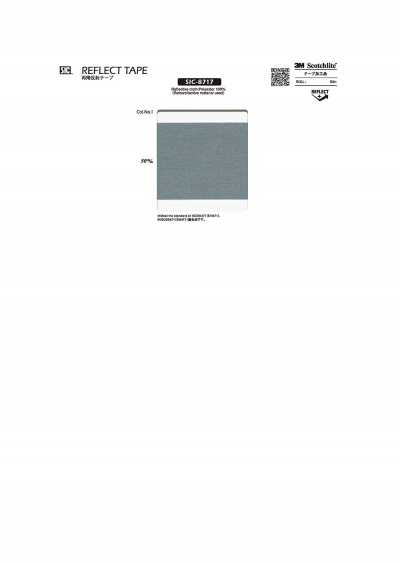
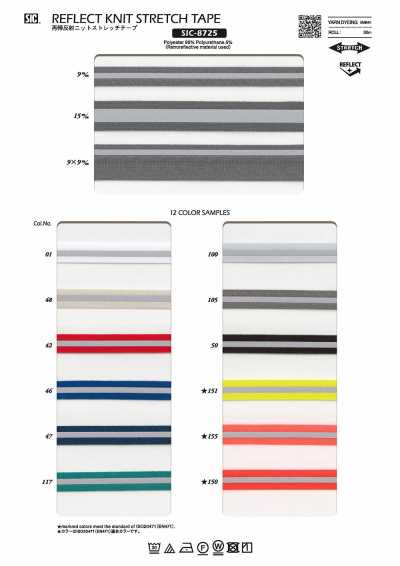
Contents6 sections
Definition and Scope
EN ISO 20471 is a standard for high-visibility clothing used in road construction, logistics, railways, security, and other settings to make the wearer easier to see by vehicles and people nearby. It combines fluorescent background material with retroreflective material that reflects light back toward the direction of incidence.
This standard covers garment design, material performance, labeling, and related items. Even if reflective tape alone is labeled as “standard compliant,” that does not mean the finished garment as a whole is compliant.
Relationship to EN471
EN471 is the previous European standard for high-visibility clothing. EN ISO 20471 is now used, and material descriptions may list it together with EN471. Do not decide on adoption based only on the old standard name; confirm the required edition of the standard and the compliance conditions for the finished product.
Reflective materials described in catalogs as “compliant with ISO 20471 or EN471” may indicate that they can be used as one of the elements required by the standard. It is necessary to confirm the required area, placement on the garment, and performance after sewing on an individual basis.
Reflective Tape Materials and Structure
For high-visibility clothing, the basic combination is fluorescent fabric and retroreflective material. Retroreflective material is supplied as tape or sheet with a layer that has reflective functionality on a base material, and it is attached by sewing, heat bonding, or another method that matches the product specification.
The tape base material and surface structure may be woven fabric, knit fabric, film, or similar materials, and flexibility, stretch, breathability, and abrasion resistance differ. If the garment itself uses stretch material, insufficient followability of the reflective material may cause tightness, cracking, or peeling during wear.
- Width should be indicated as the full width of the tape, and the specification should clearly state whether the edge portions outside the reflective area are included.
- Cord-like or narrow reflective materials may be usable for design purposes, but may not meet the required area for high-visibility clothing.
- For sewn-on use, needle holes and stitching affect the continuity of the reflective surface, so confirm the specified sewing method.
Applications and Selection
Main applications include workwear, vests, jackets, and rainwear. During planning, consider the wearing environment, required visibility, garment shape, and size range to determine whether the background material and reflective material can be placed over the necessary area. Take care not to interrupt the reflective material with pockets, seams, or prints.
Select materials not only for color and reflective performance, but also for compatibility with the number of washes, drying method, friction, bending, and rainy-weather use conditions. For projects that require standard compliance for the finished product, confirm the material test results as well as the evaluation plan for the product state before production begins.
Handling and Sewing Precautions
Retroreflective material may lose performance or appearance due to heavy friction, dirt, heat, or chemicals. Follow the care label and the material manufacturer’s handling conditions, and check post-wash reflectivity, peeling, cracking, and shrinkage at the prototyping stage.
Handle the material carefully during cutting so as not to damage the reflective surface, and during sewing suppress needle holes, puckering, and seam slippage. Tape with an edge structure that frays also requires edge finishing. Consider replacement for garments whose reflective material has deteriorated significantly after repeated washing or wear.
Frequently Asked Questions
Does reflective tape compliant with EN ISO 20471 alone make workwear compliant with the standard?
No. The standard evaluates not only the reflective tape alone, but also the fluorescent background material, the required amount and placement of reflective material, the garment design, labeling, and more. Even if the tape meets the compliance element, verification of the finished product is necessary.
Do EN471 and EN ISO 20471 mean the same thing?
Both are standards related to high-visibility clothing, but EN471 is the former standard name, and EN ISO 20471 is used now. Because older material descriptions may list both, confirm the standard name and applicable edition required for the project.
Does reflective tape lose performance after washing?
Reflective performance and adhesion may change due to repeated washing, drying, friction, and folding. It is important to confirm the washing conditions and durability of the tape used, and to carry out wash testing with the actual sewing specification before moving to mass production.