Retroreflective Material
Retroreflective material is a material that uses the property of returning incident light in a direction close to the light source to improve the visibility of the wearer or product at night and in other low-light conditions.
Contents6 sections
Definition and Overview
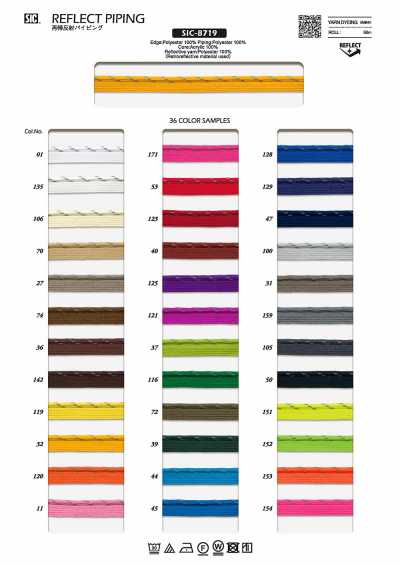
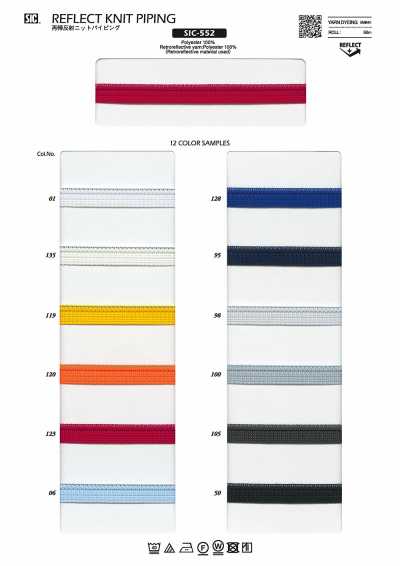
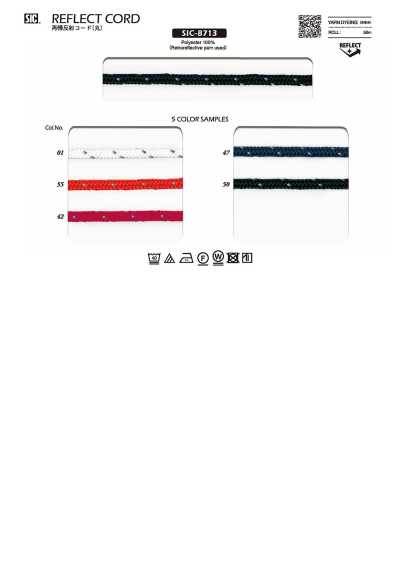
Retroreflective material is a material that reflects light from car headlights and the like back toward the side close to the direction from which it was projected. When the viewer is positioned close to the light source, the reflected light is easier to recognize. In apparel, it is used in the form of tape, piping, and prints.
Its direction of returning light differs from that of general reflective materials, which simply reflect light broadly. It also differs from materials such as phosphorescent materials that store light and emit it in dark places; retroreflective material functions only when there is light to reflect.
Materials and Structure
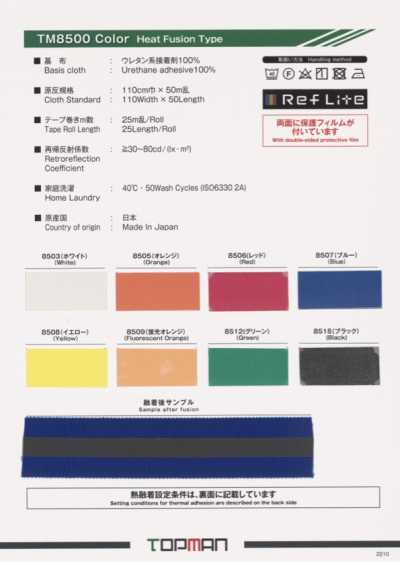
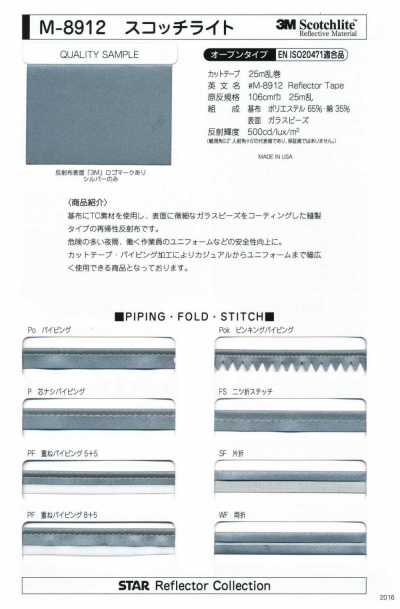
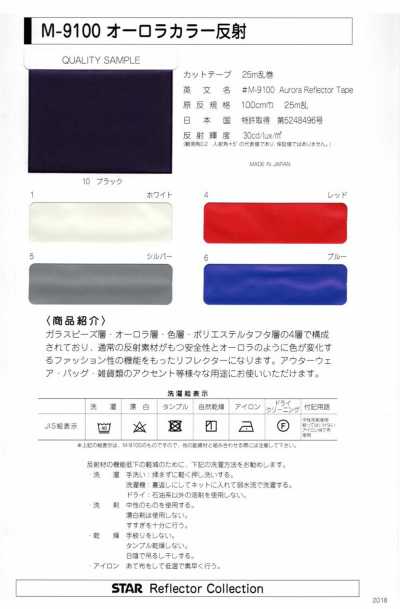
Retroreflective material may combine fine glass beads or layers with a special reflective structure with a resin layer or base material. In tape, a reflective layer is placed on the surface, and the backing fabric or adhesive layer on the reverse side allows sewing and supports attachment methods such as heat bonding.
The base material may be polyester, and the construction differs depending on the product, including woven fabric, knitted fabric, film, and resin coating. For this reason, retroreflective material is not the name of a weave structure, but a term indicating reflective function.
- Sewing tape may have different thickness and stiffness between the reflective part and the backing fabric part.
- For stretch fabric, choose a specification in which the base material and reflective layer follow the stretch.
- The edges of the tape vary in how easily they fray depending on the type of base material.
How to Read Width and Dimensions
Tape products are generally expressed by width, and in addition to the total width, the width of only the retroreflective portion may also be listed. Check whether the seam allowance and decorative portions are included, and judge the specification by the width of the reflective surface you actually want to show.
Calculate the required amount by adding seam allowance, overlap, and end finishing allowance to the length of the line to be attached. For areas with many curves or folds, also check in a prototype for lifting or wrinkling caused by stiffness.
Main Uses and How to Choose
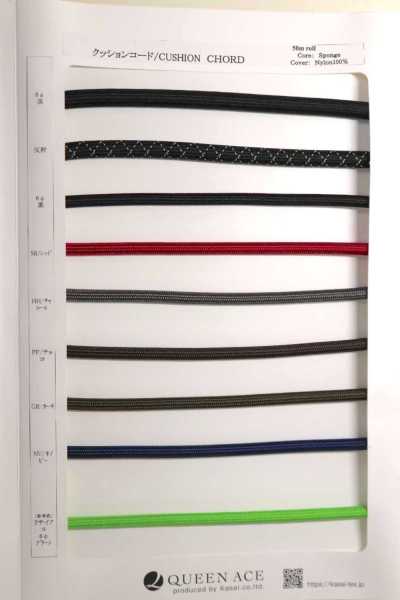
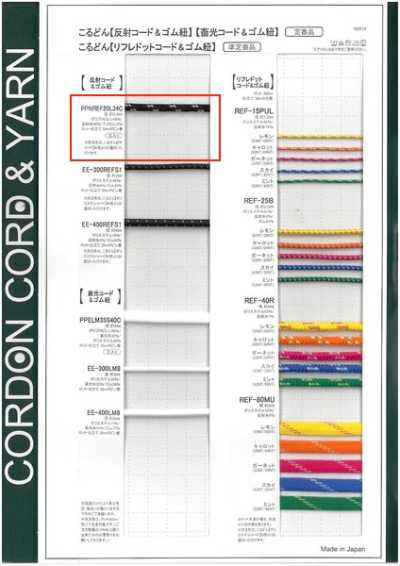
It is used in outerwear, sportswear, uniforms, bags, hats, pet products, and other items for the purpose of helping visibility at night or in dim places. As a design accent, it may also be placed on seam lines, pocket openings, side seams, or hems.
When selecting it, check not only the visibility required for the application, but also the attachment method, ease of bending, thickness, color, and how easily the surface is scratched. For products that require performance or labeling related to safety, it is important to confirm the standards and test conditions required for the application individually in the specification sheet.
- Match whether it is for sewing or heat bonding to the attachment process.
- For stretch fabric, confirm cracking or peeling during extension.
- For parts with a lot of friction, test how they look after surface wear.
- Also check how it blends with the color of the garment and the sewing thread, as well as the daytime appearance of the design.
Handling and Precautions
Resistance to washing, drying, ironing, and dry cleaning varies depending on the construction of the reflective layer, adhesive layer, and base material. High temperatures, strong friction, and sharp creases can cause surface damage, cracking, or delamination, so follow the handling conditions for each product.
During sewing, if the needle holes are arranged along the reflective surface, appearance and durability may be affected. Check the sewing position, needle, and thread tension in advance, and for tape where edge fraying is a concern, consider folding in or methods of finishing the ends.
Frequently Asked Questions
What is the difference between retroreflective material and phosphorescent material?
Retroreflective material is a material that returns light such as headlights toward the light source to make it easier to see. Phosphorescent material, on the other hand, stores the energy of received light and emits light by itself in dark places. Retroreflective material does not appear reflective when there is no projected light in the surroundings.
How should reflective tape be sewn on?
Give priority to the sewing position and sewing method specified for each product. To prevent needle holes in the reflective surface, seam puckering, and waviness of the tape, confirm thread tension and feed with test sewing. For curved sections, do not pull forcefully; sew in short sections as needed.
Does retroreflective material lose performance after washing?
Wash durability differs depending on the product structure and washing conditions. Friction, bleach, high-temperature drying, and excessive ironing may damage the surface or adhesive area. Before mass production, it is necessary to check the appearance, peeling, and reflective condition using the intended washing method.