Flap Pocket
A flap pocket is a pocket construction in which a covering piece called a flap is attached over the pocket opening to help prevent items from falling out and reduce the entry of rain and dust.


Contents6 sections
Definition and Overview
A flap pocket is a construction in which the opening of the body panel or pocket itself is covered with a separately cut flap. The flap is also called a rain flap, and it both protects the pocket bag and opening and serves a decorative role that shapes the look of the garment.
Different pocket structures such as box pockets, jetted pockets, and patch pockets can be combined beneath the flap. For this reason, it is important to understand a flap pocket not as the shape of the pocket itself, but as the name of the detail that covers the opening.
Placement and Function
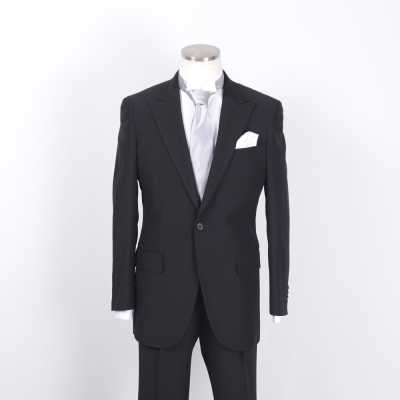
It is used at the waist or chest of jackets, and on coats, blousons, and on the back panel or side of pants. By covering the opening, it makes the contents less visible and helps keep carried items from falling out, so it is also suitable for garments where practicality is important.
It is not a structure that completely blocks rain or dust, but it makes it harder for foreign matter to enter than an open pocket. In constructions where the flap is fastened with buttons, press fasteners, or hook and loop, the ease of opening and closing and the holding strength can be further adjusted.
Materials and Types
Flaps are generally made from the same fabric as the outer material, and interlining is applied as needed to help it hold its shape. With thin, soft outer fabrics, the type of interlining and how it is applied can affect flap warping, waviness, and excessive stiffness in the finished result.
Shapes include square, rounded, and pointed styles. In addition to constructions where the flap is inserted into the pocket opening, there are styles where the top edge is stitched onto the body panel, and styles used as a cover for gusseted pockets, selected according to the garment type and storage capacity.
- Flap construction layered over a box pocket
- Flap construction layered over a jetted pocket
- Flap construction covering the opening of a patch pocket
- Flap construction attached to a gusseted pocket
Main Applications and How to Choose
In tailored jackets, a construction where the flap is layered over the jetted waist pocket is often seen. In workwear, military-style garments, and outdoor garments, it is used in combination with roomy patch pockets or gusseted pockets for the purpose of protecting stored items.
When selecting it, check the pocket’s application, the thickness of the stored items, the thickness of the outer fabric, and the load during washing and wear. In areas that are opened and closed frequently, choose dimensions and fastening methods by considering ease of access, while for work clothes and similar garments, consider the holding power of the fastener and resistance to snagging.
Sewing Considerations and Differences from Similar Terms
Due to differences in shrinkage between the outer fabric and interlining, the thickness of seam allowances, or insufficient turning, the flap may pucker at the edge, warp, or become uneven on the left and right. Before sewing, it is important to check the state after interlining, make the turning line precise, and properly trim the seam allowances at the corners and curves before turning right side out.
Box pockets and single or double welt pockets refer to the structure of the pocket opening and are not synonymous with flap pockets. A patch pocket is a pocket form in which fabric is sewn onto the outside, and it may or may not have a flap. Facing cloth and pocket facing fabric mainly refer to fabrics that reinforce and form the inside or opening of the pocket.
Frequently Asked Questions
What is the difference between a flap pocket and a patch pocket?
A flap pocket is a name that focuses on whether a flap covers the pocket opening. A patch pocket, on the other hand, refers to a pocket structure in which a pouch-shaped piece of fabric is sewn onto the outside of the body panel. If a flap is attached to a patch pocket, it becomes a patch pocket with a flap.
Does a flap need interlining?
That depends on the thickness of the outer fabric and the shape you want. Interlining is often used when you want to stabilize the outline or when the flap will be subjected to stress from button fastening. However, if a hard interlining is layered onto a thick outer fabric, the turned edge can become bulky and fit poorly instead.