Fur Hook
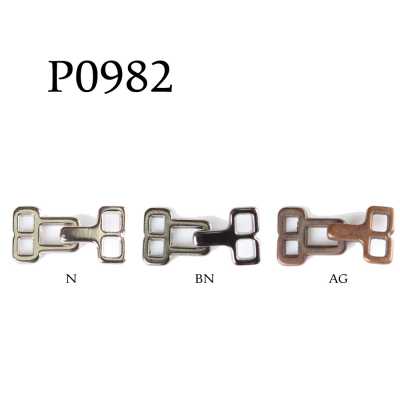
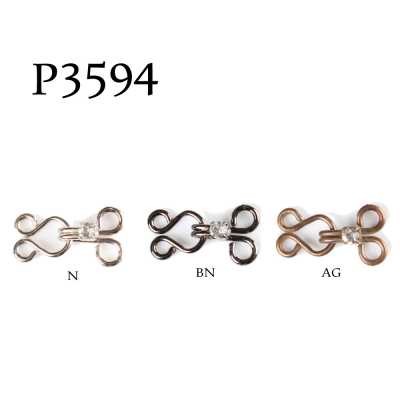
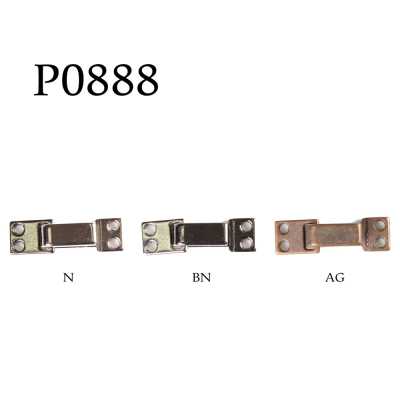
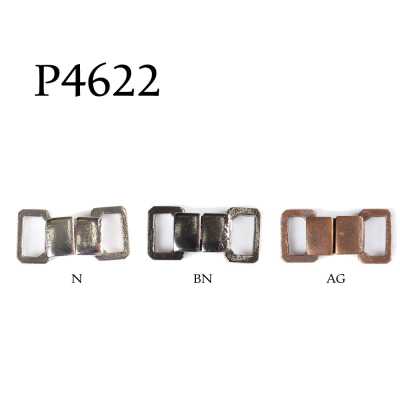
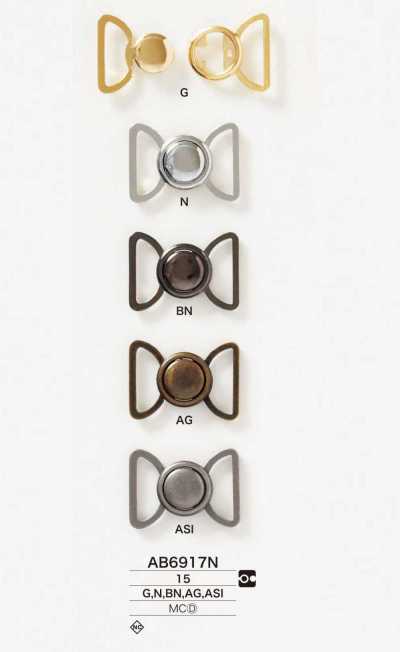
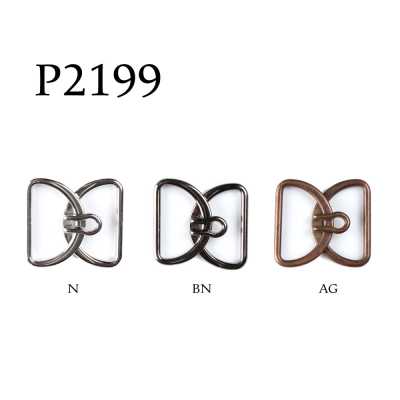
A fur hook is a metal fastener made up of a hook side and a receiver side, used to close materials with pile or thick front overlaps.
Contents6 sections
Definition and Overview
A fur hook is a hook-and-eye type fastener used mainly for front openings on coats and similar garments. Because the hardware is not very noticeable from the outside, it has the characteristic of fastening relatively neatly even on materials whose front edges become bulky due to nap or thickness.
Although the name includes fur, it is used not only for natural fur but also for faux fur, boa fleece, and thick coat fabrics. Depending on the product or supplier, it may also be called a fur hook or a hook for fur.
Materials and Structure
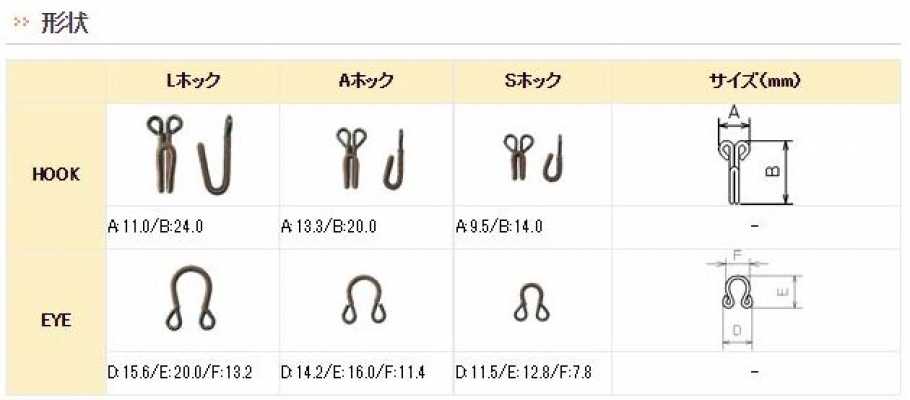
Basically, it consists of a hook on one side and a receiver on the other side as a pair. It is structured so that the hook is caught in the receiver opening and secured, so the left and right parts must be used as a correct pair.
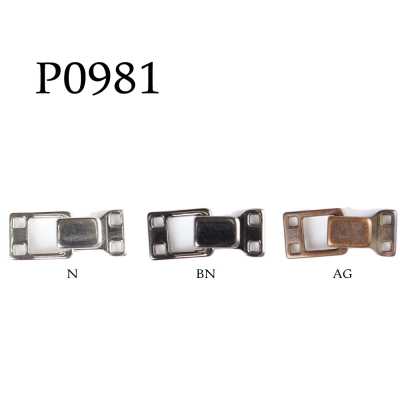
Most are made of metal, but the material, surface finish, number of sewing holes, and the shape of the receiver vary by type. A version with a flat sewing section is easier to blend into the fabric, and the size and shape of the hardware are selected according to thickness and nap.
- Hook side: the part that is hooked and fastened.
- Receiver side: the part that receives the hook.
- Sewing section: the part with holes or legs for securing to the fabric.
Attachment Method and Process Notes
For the sew-on type, it is common to secure it by hand sewing through the sewing holes from the facing side or lining side of the front edge. To avoid concentrating stress on the outer fabric alone, use reinforcing tape if necessary, and attach it to a stable area including the interfacing and facing.
For the snap-in type, use the corresponding parts and setting tool, and select a leg length suited to the fabric thickness. However, since many fur hooks are sew-on types, always check the individual specifications for whether setting is possible, required parts, and tools to be used.
Position the hook and receiver with the front edges naturally overlapped. Rather than fixing only one side firmly first, it is easier to reduce misalignment and fastening difficulty by temporarily securing them and then checking opening and closing, front-edge steps, and nap caught in the fastener.
Main Uses and Selection
The main applications are fur products, faux fur coats, boa fleece outerwear, capes, and formal outer garments. They are suitable when it is difficult to make buttonholes in thick or napped fabrics and you want the front opening to remain discreet.
When selecting one, check the thickness of the front overlap, the force applied during opening and closing, the length of the nap, and whether reinforcement is possible at the sewing position. In addition to appearance, confirm with a prototype that the hook catches the receiver securely and is not likely to come undone during wear.
Differences from Similar Terms
A snap button is a component that fastens by pressing the male and female sides together, and its fastening mechanism differs from that of a fur hook, which fastens by hooking onto a receiver. Hook and eye closures and skirt hooks are also fastening parts that hook together, but in general fur hooks are used differently as a shape suited to napped outerwear.
Hook is sometimes used as a broad general term, and in conversation alone it may not be possible to tell whether it is a sew-on type or a snap-in type, or whether it is a hook shape or a snap shape. In specifications, clearly state the shape of the part, attachment method, left and right sides, and position.
Frequently Asked Questions
Can a fur hook be used for faux fur as well?
Yes. Because faux fur differs by type in nap length, base fabric stretch, and thickness, do not attach the hardware only on top of the nap; secure it to a stabilized area with facing or interfacing. Confirm in a prototype that the fur is not caught in the hook and that it reliably reaches the receiver.
How do you ensure the strength of a fur hook?
Not only the size of the hardware, but also the strength of the attachment area and the sewing method are important. Pass the yarn securely through each sewing hole, and reinforce with reinforcing tape or interfacing if necessary. For wear conditions where the front edge is pulled strongly when opening and closing, check repeated opening and closing on the actual fabric.
Can a fur hook pass needle inspection?
A metal fur hook may trigger a needle detector. In accordance with the product's needle inspection standards, manage it as part of the accessories and establish an operation that can distinguish it from foreign matter such as broken needles. Check the detector settings and whether it can pass through under the hardware and inspection conditions used.