Jabot
A jabot is a fabric accessory decorated with layered ruffles, lace, and similar materials, worn from the collar area down to the chest on shirts and blouses.
Contents6 sections
Definition and Overview
A jabot is a decorative item placed at the front center of shirts and blouses, mainly from the neckline down to the chest. Its pleats and ruffles create volume that makes the area around the face look more elegant. There are versions attached to the garment itself and versions used as detachable accessories.
Unlike something that is tied around the neck and hangs down like a tie, a jabot refers to the frilled design that spreads across the chest itself. Today, it is often seen on Ladies' blouses and stage costumes, but it is also sometimes used on men's formal shirts.
Parts and Construction
In general, it is attached to the front edge of the collar, under the stand collar, or to the upper part of the placket, then spread out in steps toward the chest. Volume is created with gathers that draw the fabric in closely, pleats that neaten the folds, and ruffles cut in a wave shape.
Ways of fastening include hooking it onto a button at the neck, tying it with a ribbon or cord, and securing it with a brooch or pin. Detachable types are easy to use depending on the outfit, but if the fastening position shifts, the left and right appearance can become unbalanced, so stability when worn should be checked.
- For a jabot integrated with the body, check the sewing position where it joins the collar or placket.
- For a separate jabot, check the neck measurement and the fastening specifications.
- The number of tiers and the amount of pleating affect the appearance and thickness at the chest.
Materials and Finishing
Materials used include sheer chiffon, organza, delicate lace, and glossy satin. Materials that drape lightly tend to create a soft look, while materials with body help keep the outline of the ruffles.
In addition to leaving the lace edge as is, the edge may be finished with overlock stitching or a narrow rolled hem. On light-colored thin fabrics, seam allowances and overlaps are easy to show, so it is important to check the sewing specifications, the front and back sides, and the color of the clothing worn underneath the neckline.
Matching Outfits and How to Wear It
For daytime ceremonies, meals, recitals, and similar occasions, a jabot with a modest amount of ruffling and calm materials adds refined decoration to blouses and jackets. In business settings, overly large decoration may look flashy, so it should be matched to workplace or event dress codes.
At evening parties and in stage costumes, layered lace, glossy materials, and voluminous shapes are also options. However, in formal wear with clearly defined rules, such as full formal attire, whether a jabot is allowed and what shape it should take depends on custom, so priority should be given to the invitation's instructions and the venue's convention.
How to Choose and Care for It
When choosing one, check the collar shape, the width of the placket, and whether its size will interfere with the jacket front overlap. Since thickness gathers around the neckline, it may look tight on clothing with a close neck. Decide the width and length of the ruffles while considering balance with the face.
Thin and lace jabots need care to avoid snagging, crushing, and makeup stains. Follow the care instructions for each material when washing and ironing, and store it after arranging the pleats and ruffles neatly. For detachable types, also check in advance whether the fastener will damage the fabric.
Frequently Asked Questions
What is the difference between a jabot and an ascot tie?
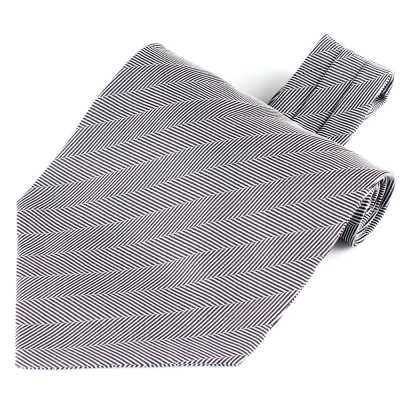
A jabot refers to a frilled or lace-like decoration that covers the chest, and it may be sewn to the garment or attached separately. An ascot tie is a type of necktie that is wrapped around the neck and tied. Even if fabric appears to spread across the chest, the structure and way of wearing it are different.
Can a jabot be used in formal settings?
It may be used for ceremonies, meals, parties, and similar occasions, but the suitable shape and level of decoration vary depending on the time of day, the dress code specified on the invitation, and local or organizational customs. In settings with clear formality rules, it is necessary to confirm the prescribed attire in advance.
What should be noted when caring for a jabot?
Lace and thin fabrics are easy to snag, and ruffles easily lose their shape under pressure, so after wearing, check for dirt and restore the shape. Whether washing and ironing are possible depends on the material and accessories, so follow the care label on the product and consult a specialist shop if necessary.
- Search products for "Jabot"
- Products with material "Cotton"
- Products with material "Polyester"
- Products with material "Silk"
- Products with material "Rayon"
- Products for style "For Shirts/blouses"
- Products for style "For Formal Wear"
- Products for style "For Costumes/dresses"
- Browse Formal Accessories products