Onyx
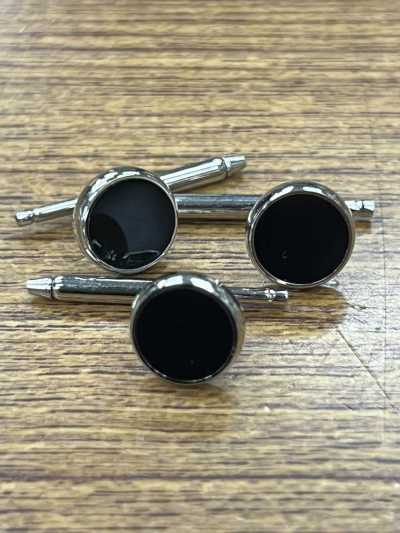
Onyx is a stone material used for formal accessories such as cufflinks and stud buttons, taking advantage of its deep black color.

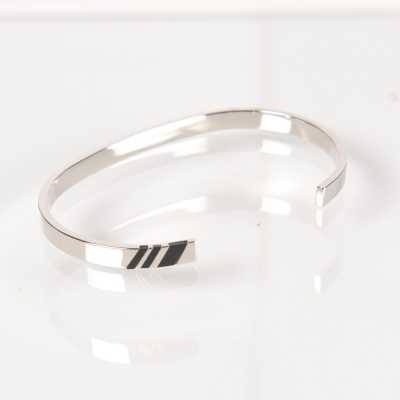
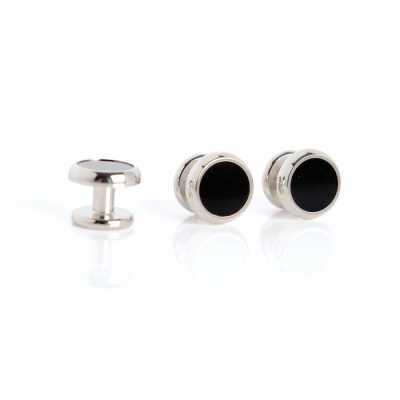
Contents6 sections
Definition and Overview
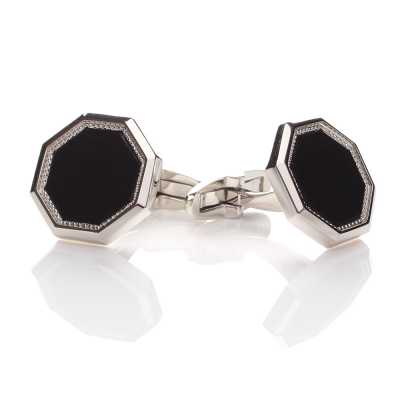
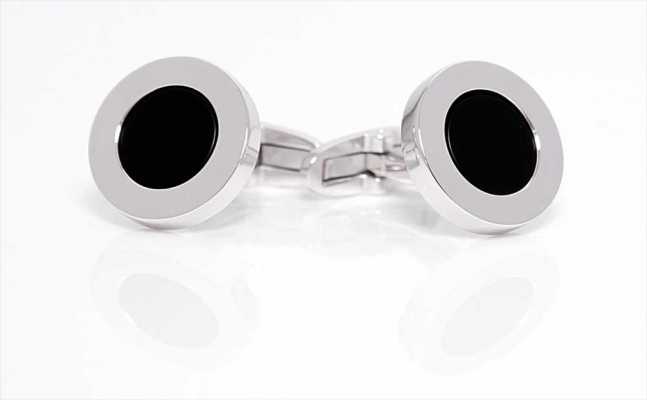
Onyx is often treated as a black stone and is used for decorative parts of cufflinks and stud buttons in men's formal wear. Its subdued black luster creates a contrast with metal settings and white dress shirts, giving a calm impression.
In accessory descriptions, black stone materials are sometimes broadly referred to as onyx. Whether the stone is natural or treated, and whether it has visible grain or a plain black appearance, varies by product, so it is important to check the material description and the actual sample.
Parts and Construction
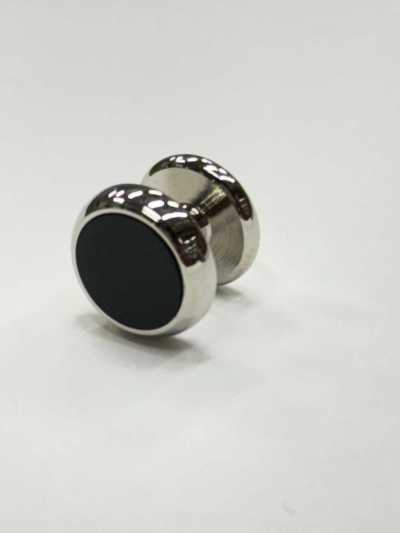
In formal accessories, onyx polished into round shapes and similar forms is commonly set in silver-colored or gold-colored metal mounts. Cufflinks are fastened through the buttonholes at the cuffs, while stud buttons are attached to the holes in the front panel of dress shirts.
Cufflink fasteners include types that use a rotating bar and fixed types. Stud buttons include one-touch types that are pressed in to secure them, and they are worn with the stone face oriented toward the front. To keep the stone from pressing directly and strongly against the garment, also check the height of the setting and the hardware on the back.
Materials and Finish
The surface of onyx may be flat and circular, or it may have a slightly rounded polished finish. A uniform glossy black gives a refined impression, while a finish with visible grain or reduced gloss gives a calmer impression. The shape, surface reflectivity, and color coordination with the metal affect how it looks.
Settings and fasteners are combined with metals such as 925 silver and brass. Even with the same onyx, the impression changes depending on the color and surface finish of the metal, so when using cufflinks and stud buttons as a set, matching the black stone color and the tone of the metal fittings helps create a more cohesive look.
Coordination and Use
Black onyx is a material often used in evening formal wear paired with a tuxedo. Matching onyx stud buttons and cufflinks with a wing-collar or pleated-front dress shirt creates a unified look at the chest and cuffs.
Whether for daytime or evening formal wear, the allowed accessories and colors should follow the invitation, event rules, and the customs of the organization. In particular, for formal dress, the appropriate accessories differ depending on specifications such as black tie and white tie, so check the overall dress code rules.
- Match the metal color of cufflinks, stud buttons, and watches.
- Do not layer overly decorative fittings on top of highly glossy stone surfaces.
- If you are unsure about the distinction between day and evening or the level of formality, follow the dress code provided by the host.
How to Choose and Handling Precautions
When choosing, first check the cuff shape of the shirt you will use and the specification of the holes in the front panel. Confirm whether the cufflinks fit double cuffs and whether the stud buttons match the hole size and the thickness of the fastener to reduce stress when putting them on and taking them off.
The stone may chip or break from a strong impact, so avoid contact with hard objects and dropping it. After use, wipe away sebum and dirt with a soft, dry cloth and store it separately. For metal care, check the product warnings for a method suitable for the stone and the surface finish.
Frequently Asked Questions
In what situations can onyx cufflinks and stud buttons be used?
In general, they are often used in evening formal wear such as tuxedos. However, whether they may be worn depends on the event dress code, the invitation, and the shirt specification. Even if the stone is black, check the overall level of formality, including the strength of the decoration and the color of the fittings.
Is there a difference between onyx and black onyx?
In sales and conversation about formal accessories, black onyx may be written as black onyx. On the other hand, there is flexibility in how the term is used for stone distribution names and treatment descriptions. If you want to confirm the material precisely, check the material description, treatment description, and any explanation of the stone's origin for each product.