Silver 925
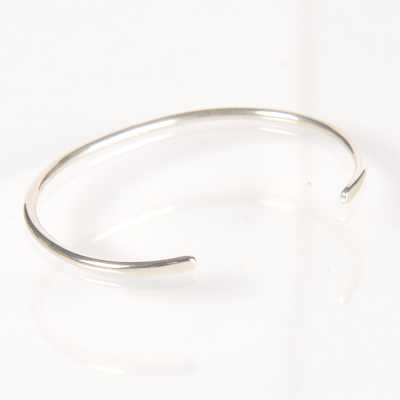
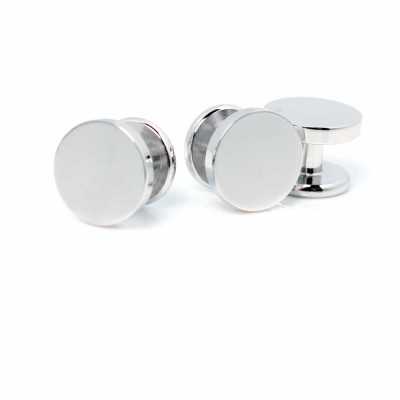
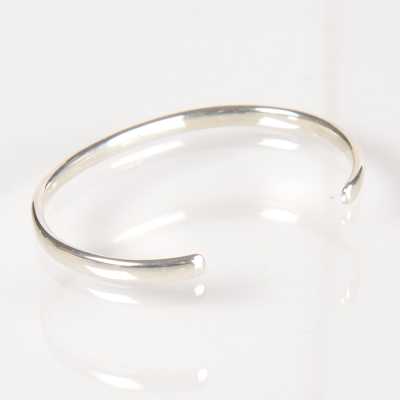
Silver 925 is an alloy whose main component is silver and that generally contains 92.5 percent silver, used as a material for formal accessories such as cufflinks and studs.
Contents7 sections
Definition and Overview
Silver 925 is a silver alloy whose name comes from the “925” that indicates the fineness of silver. It contains 92.5 percent silver, with other metals added to provide strength and workability. Sterling silver and SV925 are also common notations for the same material.
Highly pure silver is soft and may not easily hold the shape of accessories used in everyday wear. Silver 925 is used to make use of silver’s characteristic white luster while providing the practicality needed for forming and fastening components.
Parts and Construction
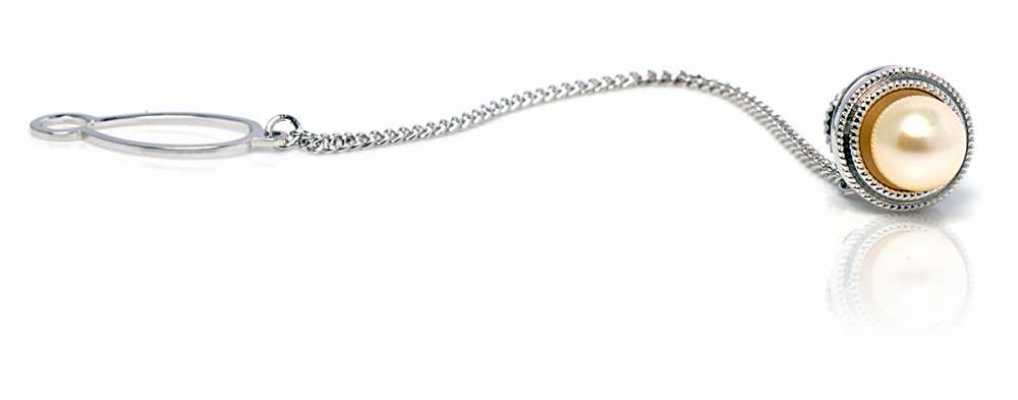
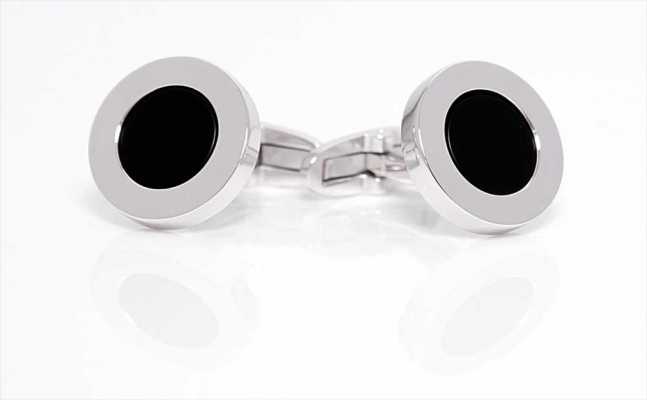
In formal accessories, it is used for cufflink bases and fasteners, as well as the front side of stud buttons. It may also be formed as a setting or base that holds decorative materials such as onyx or pearls.
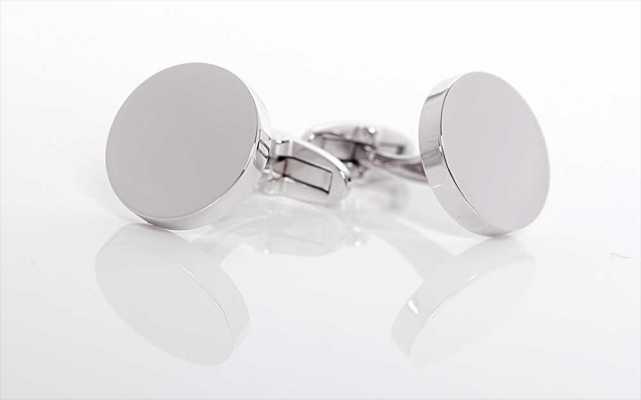
In cufflinks, the design often consists of a decorative face, a shaft that passes through the shirt cuff, and a movable part that rotates to fasten. Studs consist of a front ornament and a back component that passes through the shirt hole and secures it. The durability and feel of operation of moving parts and joints vary depending on thickness and finish.
- Decorative face: the front base that displays the stone or pearl.
- Shaft / post: the part that passes through the cuff hole or chest hole.
- Fastener: the part that prevents it from coming loose, such as a rotating type.
Material and Finish
Silver 925 can achieve a bright metallic luster with a polished finish, and it is a material that makes it easy to create color contrast when paired with black stone materials or white pearls. On the other hand, the surface may become dull or turn dark due to the effects of components in the air, sweat, cosmetics, and similar factors.
To suppress surface discoloration or to adjust the impression of color tone and hardness, surface treatments such as rhodium plating may be applied. Check the specifications separately to confirm whether the product is intended to retain the texture of Silver 925 itself or whether maintaining the plated appearance is the priority.
Suitable Outfits and How to Wear It
Silver 925 cufflinks and studs are used for the cuffs and chest area of formal shirts. The restrained silver luster works well from daytime ceremonies to evening dinners, and for evening wear such as black tie, styles combined with black decorative materials are also chosen.
The extent to which formal dress, semi-formal dress, or smart casual dress is acceptable varies depending on the event guidance, local or organizational customs, and the overall outfit specification. For daytime formal occasions, avoiding overly ornate designs and matching the luster with the shirt, tie, shoes, and similar items creates a more cohesive look.
Selection and Handling Notes
When selecting, check not only the 925 marking but also the dimensions as cufflinks or studs, the fastening method, how the stone or pearl is secured, and the surface finish. If consideration for metal allergies is needed, confirm the alloy details, whether plating is present, and the specifications of the parts that touch the skin with the supplier.
After use, gently wipe away sweat and skin oils with a soft dry cloth, and store the item so that it does not easily come into contact with other accessories. Cloths with polishing agents are useful for removing discoloration, but they may damage plated surfaces or fine decorative details, so choose a care method suited to the finish.
Differences from Similar Terms
Silver 925 is the material name indicating the fineness of a silver alloy, while cufflinks and stud buttons are names for types of accessories. Rhodium plating is also the name of a surface treatment; it may be applied to Silver 925 products, but it does not mean the material itself.
“Pure silver” generally refers to silver of high purity, but it is not the same as Silver 925. Since the terms may sometimes be used interchangeably in sales descriptions, it is important in planning, production, and care labeling to clearly distinguish the fineness of the material from the surface treatment.
Frequently Asked Questions
Are Silver 925 and pure silver the same?
No, they are not the same. Silver 925 is an alloy containing 92.5 percent silver, and the remainder generally includes metals that provide strength and workability. Pure silver refers to silver of higher purity, so they are treated separately in specifications and labeling.
Can Silver 925 cufflinks be used with black tie?
Subtle cufflinks or studs combined with black stone materials and similar elements are used with black-tie attire. However, the required level of formality and accessory design varies depending on the event guidance and customs, so priority should be given to the dress code.
How should Silver 925 be cared for when it turns black?
First, wipe off dirt with a soft dry cloth. If the discoloration is severe, consider a special cloth or cleaning method suitable for the material, but for plated items, pearls, or stone-set products, there is a risk of damaging the surface or adhesive areas, so check the individual care instructions.