Pattern Paper
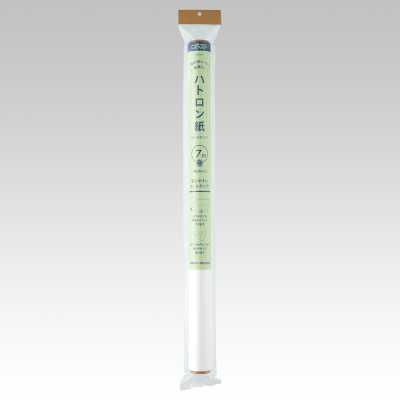
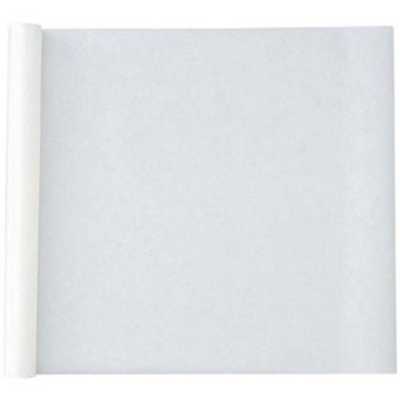
Pattern paper is a thin paper that is easy to write on and is used for tracing drafted patterns and placing over fabric during cutting.

Contents6 sections
Definition and Overview
Pattern paper is used in garment making for pattern drafting and tracing. It is easy to draw lines on with a pencil or pen and easy to cut into the needed shape, so it is used for drafting slopers and the pattern pieces for each part.
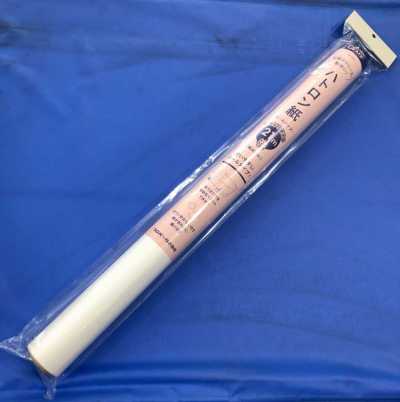
It comes in roll, flat sheet, and colored forms. Roll types are less likely to crease and are convenient for drafting patterns and tracing for work because they make it easier to handle long straight lines and large pieces.
How to Use
Place the pattern sloper or existing pattern on the paper and trace the outline, grainline, notches, match points, seam allowance, part name, and so on. After tracing, cut along the lines and, if needed, place it on fabric for cutting.
To keep the pattern and paper, or the pattern and fabric, from shifting, hold them in place with pattern weights or other weights while working. If you need to transfer lines directly onto fabric, choose a marking tool such as tailor's chalk or tracing paper that is suitable for the type of fabric.
- Write the part name, size, quantity, and cutting method.
- Clearly mark the grainline and the placement on the fold.
- Do not omit notches, dart points, pocket positions, or other match points.
- Before cutting, check for symmetry and make sure seam allowance has not been forgotten.
Types and How to Choose
When choosing, check the paper thickness, strength, width, rolling direction, and color. For tracing and temporary prototypes, choose paper that is easy to see lines on and easy to cut. For patterns used repeatedly, tear resistance and ease of handling are also important.
For large pieces or long pant lengths, a roll type with sufficient width is convenient. Colored paper makes it easier to manage multiple patterns by using different colors for each size or piece.
Storage and Safety Notes
Store completed patterns flat in a place protected from moisture and direct sunlight, where they are less likely to bend or wrinkle. Even when storing frequently used patterns rolled up, do not roll them too tightly, and label them so the contents are easy to identify.
Because paper edges can cut your hands, take care when cutting out and organizing. When using dressmaking shears or a rotary cutter, you are handling blades with paper and fabric layered together, so place a cutting mat underneath and work while checking your hand position.
Differences from Similar Terms
Pattern paper refers to the paper itself used for making patterns. By contrast, a pattern refers to the pattern sheet containing the design information needed to cut and sew each part of a garment, and it may also be created and managed on media other than paper.
Tracing paper is paper used to transfer lines and marks to another sheet or fabric using a tracing wheel or similar tool. Pattern paper is mainly used for pattern drafting and tracing, while tracing paper is used as an aid for marking.
Frequently Asked Questions
Can pattern paper be used for cutting patterns?
What should be written when tracing a pattern onto pattern paper?
In addition to the outline, write the part name, size, number of pieces to cut, grainline, placement on the fold, notches, darts, match points, and whether seam allowance is included. To prevent mix-ups in later steps, also note the front and back sides and left/right distinctions as needed.