New Synthetic Fabrics
New synthetic fabrics are a Japanese-origin group of apparel materials that combine advanced yarn processing, weaving and knitting, and dyeing and finishing to give mainly synthetic fibers a natural-fiber-like hand, delicate texture, and functionality.
Contents6 sections
Definition and Overview
New synthetic fabrics are not a single fiber name or a single weave structure name, but a general term for materials created by combining yarn design, weaving and knitting, and dyeing and finishing. Mainly using polyester, they express textures that differ from conventional synthetic fibers by using ultra-fine fibers and fibers with different properties.
Because the name refers to the material development concept and the technologies involved, the blend ratio, structure, processing method, and performance vary greatly from fabric to fabric. It is important not to judge stretchability, moisture absorbency, or whether it can be machine washed at home based on the term new synthetic fabrics alone.
Texture and Visual Characteristics
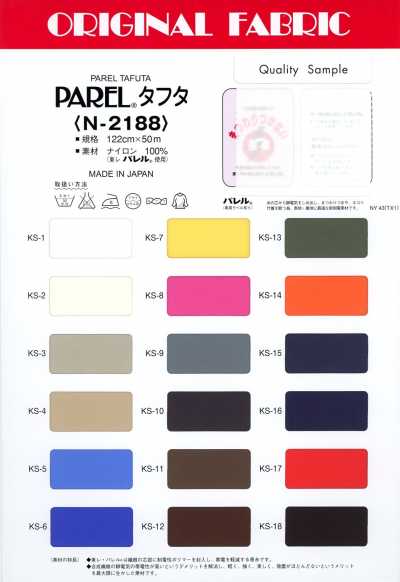
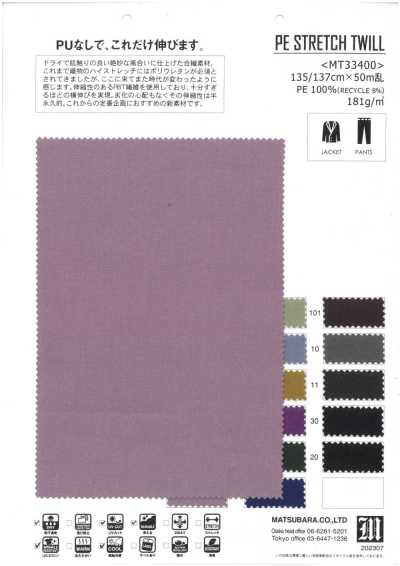
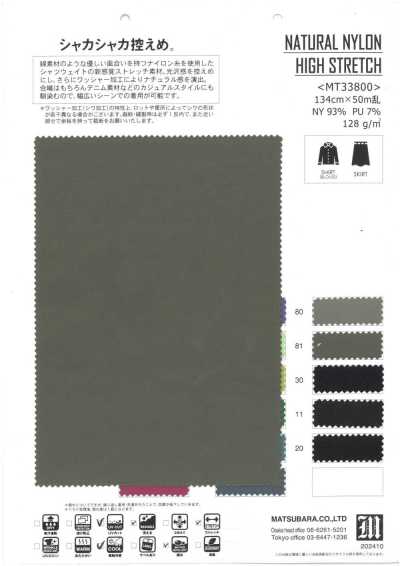
By using fine filament yarns, profiled cross-section yarns, mixed fiber yarns, and similar materials, softness, graceful drape, loft, and a dry touch can be designed. Some reproduce the surface feel of natural fibers, while others make use of smooth luster and vivid color development.
By giving the surface a fine grain, unevenness, or a subtle brushed feel, or by using differences in shrinkage during dyeing, the fabric may take on a more dimensional appearance. On the other hand, depending on the material, gloss caused by friction, snagging, and seam puckering may stand out.
Main Uses and Suitable Items
Making use of lightness, drape, and rich expression, these fabrics are used for blouses, shirts, dresses, skirts, pants, jackets, and more. Applications range from light to medium weights, and sheerness, firmness, and stretch are selected by checking the specifications of each fabric.
Designs with a smooth, dry feel and a cool touch are suited to spring and summer clothing, while designs with loft and a brushed feel are suited to autumn and winter clothing. However, seasonal suitability is determined not by the fiber name but by fabric weight, density, structure, and finish, so the actual material should be checked.
- Blouses, dresses, and skirts that show drape
- Pants and jackets that require easy-care performance
- Dresses and formalwear that make use of surface texture
How to Choose and Handling Notes
During planning, in addition to texture, check fabric weight, sheerness, stretch, drape, friction fastness, and appearance after washing. For blended materials with natural fibers, shrinkage and dimensional change after drying differ depending on the blend ratio and processing conditions, so washing tests and sewing tests should be conducted before mass production.
During cutting, check for slipperiness, grainline shifting, and fraying at the edges, and adjust the spreading conditions and cutting method if necessary. During sewing, set the needle, thread, presser foot pressure, and feed amount to suit the fabric, and suppress seam shrinkage and puckering. High-temperature ironing and excessive pressing can cause heat-related gloss and changes in texture, so care is needed.
Differences from Similar Terms
Polyester refers to a type of fiber, while new synthetic fabrics is the name for a group of materials and material designs obtained by advanced processing of polyester and similar fibers. Therefore, not all polyester fabrics fall under new synthetic fabrics.
Microfiber is a term for very fine fibers and may be used as one of the technologies that make up new synthetic fabrics. Also, false-twist textured yarn is a processed yarn that gives yarn bulk and stretch, and while it may be used in new synthetic fabrics, the two are not synonymous.
Frequently Asked Questions
Are new synthetic fabrics the same as polyester?
No, they are not the same. Polyester is a type of fiber, while new synthetic fabrics are a group of materials designed by combining yarn processing, weaving and knitting, and dyeing and finishing with polyester and similar materials to create distinctive texture, surface feel, and functions. Since blended materials also exist, check the composition label and fabric specifications.
Do new synthetic fabrics shrink when washed?
The degree of shrinkage varies depending on the material composition, structure, processing, and washing method. Even with polyester-based fabrics, dimensions and texture may change when blended with cotton or when surface processing is applied. Test them under the intended washing conditions before product development, and handle them according to the care label.
What should be noted when sewing new synthetic fabrics?
Thin or high-density new synthetic fabrics may be slippery and can cause seam shrinkage, puckering, needle holes, and gloss from heat. Before full production, confirm the appropriate needle and thread, thread tension, feed amount, and pressing conditions, and if interlining is used, evaluate the appearance after bonding as well.