Trapunto
Trapunto is a quilting technique that creates partial dimensionality by stuffing cotton or other material between layers of fabric, expressing a pattern in a raised, embossed style.

Contents6 sections
Definition and Overview
Trapunto is a handicraft technique in which, after sewing the outline of a motif, batting or thread is stuffed in from the back to make part of the pattern stand out in relief. It can add shading and fullness to flowers, leaves, geometric patterns, and more, and is used for decoration on clothing, bags, cushions, and other items.
While ordinary quilting involves layering the outer fabric, batting, and lining fabric and stitching the whole surface to hold it in place, trapunto is characterized by localized puffiness created by stuffing. It refers not to the name of a material or weave structure, but to a sewing and decorative technique.
Basic Use
In a typical method, the outer fabric and lining fabric are layered, the outline of the design is stitched closely, and small slits are made in the lining fabric so that a small amount of stuffing can be inserted into the outlined area. Once stuffing is complete, the slits are closed with slip stitching or similar stitching.
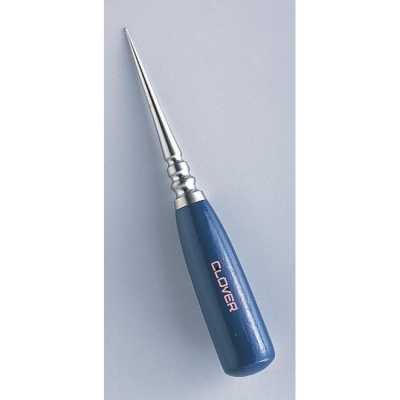
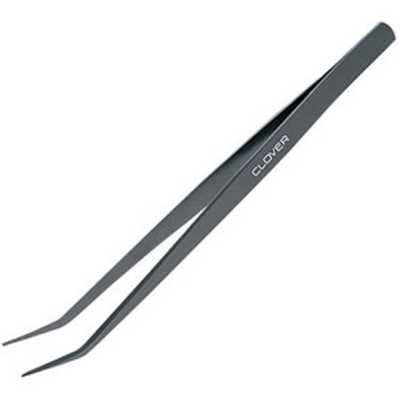
The stuffing is pushed in little by little using a bodkin or stuffing tool with a tip that is not too sharp, so as not to cut the weave. It is important to work while aligning the grain so that no wrinkles or needle holes remain on the surface.
- Start with a relatively large motif with lines that do not cross too much.
- Make the outline stitches fine and even so that the stuffing does not leak out easily.
- Insert the stuffing evenly to prevent puckering from overstuffing.
- Set the slit positions on the back where they will be less noticeable and easier to close when finished.
Types and Selection
Trapunto methods include opening the lining fabric and stuffing it, sandwiching batting between the front and back layers before stitching, and threading yarn or cord through to create raised lines. Choose the method according to the desired height of the finish, the fineness of the pattern, and whether the item will be washed.
For the outer fabric, it is easier to work with a material that has moderate density and thickness, and can withstand the stuffing process without making needle holes or weave irregularities stand out. With thin fabrics or fabrics with high stretch, reinforce with fusible interlining or reduce the amount of stuffing and make a sample first.
Stuffing materials include quilt batting, wool yarn, and embroidery thread. If you want a soft, full surface, batting is suitable; if you want clear, thin lines, yarn or cord is better. For product use, check thickness, weight, and shape changes after washing.
Care and Safety Notes
The raised sections of trapunto may become uneven due to friction or pressure. If the item is to be washable, match the wash suitability of the outer fabric and stuffing material, and confirm shrinkage, distortion, and stuffing shift using test pieces before production.
When using a slit-making method, the most important thing is not to cut through the outer fabric. During work, do not point blades or needle tips toward yourself, and use a thimble or similar tool to prevent injury. Keep small stuffing materials and needles out of the reach of infants and toddlers.
Differences from Similar Terms
Quilting refers to processing in which multiple layers of fabric and batting are sewn together, or to the resulting fabric in general. Trapunto is sometimes treated as a type of quilting, but it focuses on adding stuffing inside the pattern to create a three-dimensional finish.
Boutis is known as a traditional method of expressing patterns by stuffing yarn or cotton between the outer and lining fabrics. It may be used in a meaning close to trapunto, but since it can be distinguished by process and regional background, production instructions should specify the stuffing method and cross-section details.
Frequently Asked Questions
What fabrics are suitable for trapunto?
In general, fabrics with a stable weave, where needle holes and irregularities from stuffing work are less noticeable, are suitable. Thin fabrics and knits that stretch easily can lose their shape due to the stuffing, so check whether reinforcement is needed and how much stuffing to use with a small sample.
How is trapunto different from ordinary quilting?
Ordinary quilting is a method of layering fabric and batting and stitching them to create warmth and an overall textured surface. Trapunto mainly aims to insert stuffing inside a specific motif and make it rise in partial relief.
Can trapunto items be washed at home?
Whether washing is possible depends on the outer fabric, lining fabric, stuffing material, and sewing specifications. Even with water-washable materials, the three-dimensional effect may change due to stuffing movement or shrinkage. It is important to wash a test piece before finishing and confirm any shape changes.