Celebratory And Mourning Occasions
Celebratory and mourning occasions refer to celebratory events such as weddings and mourning occasions such as wakes and funerals, and are a way of choosing clothing and accessories according to the formality and customs of the setting.

Contents6 sections
Definition and Overview
Celebratory occasions refer to occasions for celebration such as weddings, wedding receptions, and celebration parties, while mourning occasions refer to occasions for expressing condolence such as wakes, funerals, and memorial services. In clothing, the formality and decorative level of formal wear are adjusted according to the invitation requirements, time of day, venue, and one’s position.
Celebratory and mourning occasions are not names of garments or accessories themselves, but are categories of occasions for choosing attire. Formal dress, semi-formal dress, and informal formal dress are classifications that indicate the level of formality in clothing, and differ in meaning from celebratory and mourning occasions.
Accessory Shapes and Fastening Methods
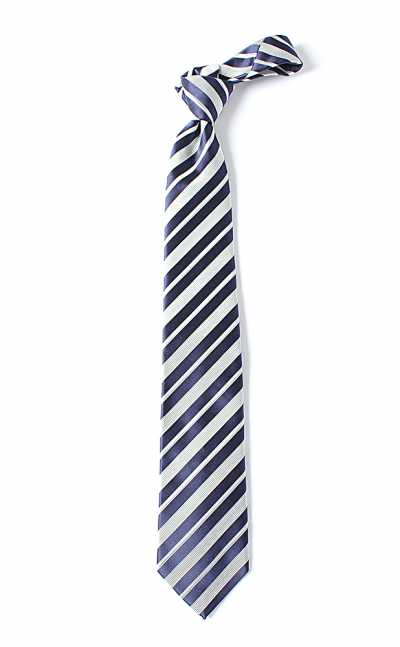
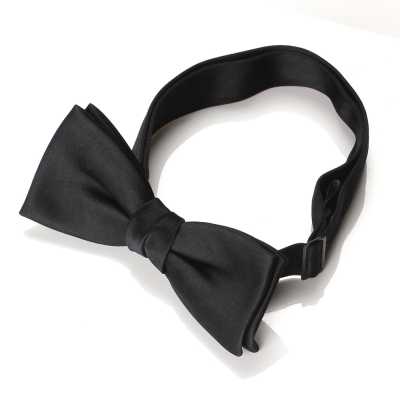
Ties, bow ties, pocket squares, cufflinks, and tie bars are formal Western accessories. A tie is tied at the neck, and a tie bar secures the front body and tie to keep it from shifting. Cufflinks are fasteners that secure the cuffs of French cuffs.
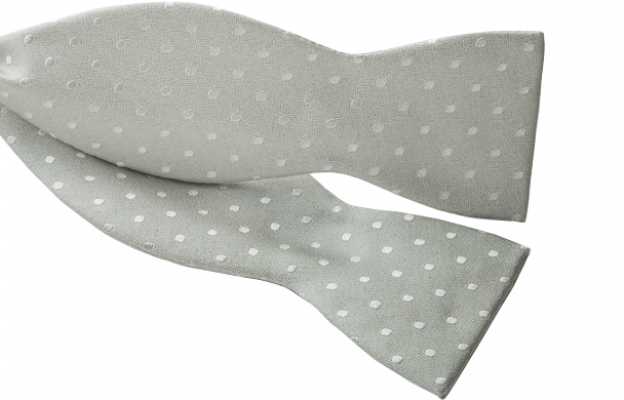
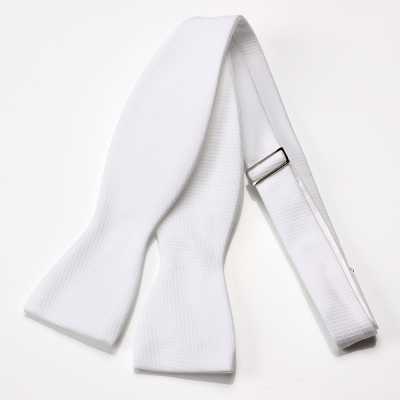
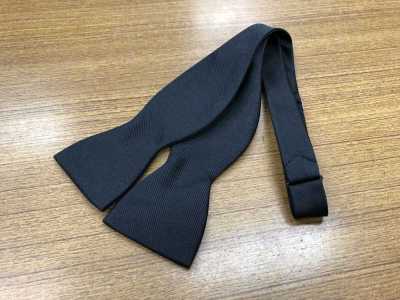
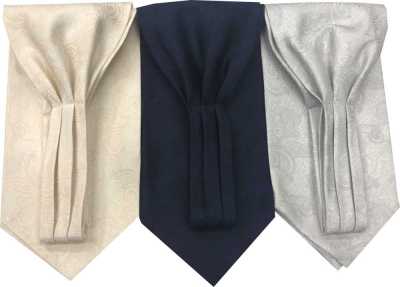
For mourning occasions, black solid ties are often used, and it is generally customary to avoid strong sheen or ornate designs. For celebratory occasions, neck accessories, pocket accents, and cuff decorations are combined according to the formality of the outfit and whether the event is held during the day or at night.
- Check the balance between the size of the knot and the collar shape for the tie.
- Choose a tie bar that is not too long relative to the width of the tie.
- Check whether cufflinks and stud buttons are compatible with the shirt specification.
Materials and Finishes
Formal accessories use textile materials such as silk, as well as metal, shell, and stone-like materials. The material name alone does not determine suitability for celebratory or mourning occasions; judgment is based on appearance, including color, pattern, sheen, and surface finish.
For mourning use, black is the base color, and finishes with understated woven patterns and minimal shine are selected. For celebratory use, subdued sheen may be used during the day, while more festive styling may be added at night depending on the venue and dress code.
Level of Dress and How to Use It
For celebratory occasions, if the invitation specifies black tie or white tie, follow that instruction. Even if no specification is given, confirm the host’s or family’s position, whether it is a ceremony or a reception, and whether it is during the day or at night, and make sure the outfit does not outshine the main guests.
For mourning occasions, simple everyday clothing may be acceptable for an unexpected wake, but black formal wear is often standard for funerals and farewell services. Customs vary by region, religion or denomination, and the host’s guidance, so checking in advance is important.
- For celebratory occasions, white, silver, and black may be standard, but priority should be given to the event’s specifications.
- For mourning occasions, black solid is the standard, and shiny hardware, conspicuous patterns, and strongly colored decorations are avoided.
- Daytime and nighttime customs are guidelines for Western formal wear, and application varies depending on modern venues and guidance.
Selection and Handling Notes
In planning and production, do not describe the wearing occasion vaguely as celebratory use, mourning use, or dual use; specify in the product specifications the assumed level of formality, color, sheen of the material, and appearance of the attached metal fittings. During photography, the darkness or lightness of black and its sheen change depending on the lighting, so physical sample confirmation is necessary.
Take care to avoid friction, snagging, and stains from food or drinks on ties and pocket squares. For metal accessories, wipe sweat and sebum with a dry soft cloth and store them away from humidity. Follow the product’s care label for washing or cleaning.
Frequently Asked Questions
How are ties used differently for celebratory and mourning occasions?
For mourning occasions, a black solid tie with little noticeable sheen or woven pattern is generally used. For celebratory occasions, choices vary depending on the time of the event, the venue, and the dress code specified. Do not judge by color alone; match the overall formality of the outfit, including pattern, sheen, and how it is tied.
Do celebratory and mourning occasions mean the same as black formal wear?
No, they do not mean the same thing. Celebratory and mourning occasions are categories of wearing situations: celebrations and condolences. Black formal wear refers mainly to black formal attire used for mourning occasions, while celebratory occasions call for different formal wear depending on the dress code and one’s position.