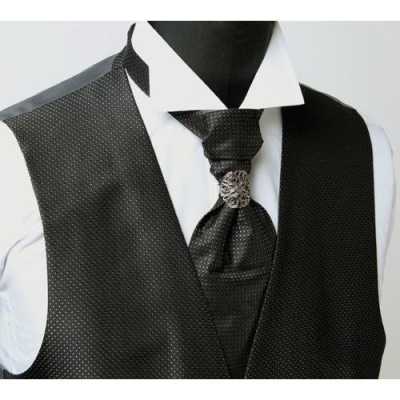
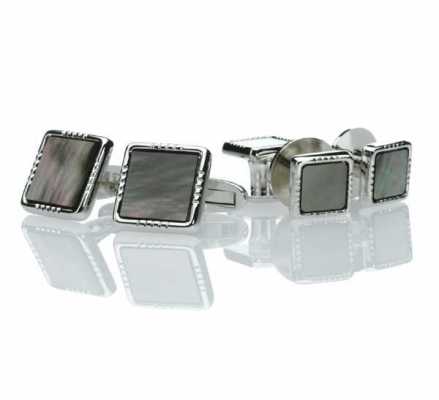
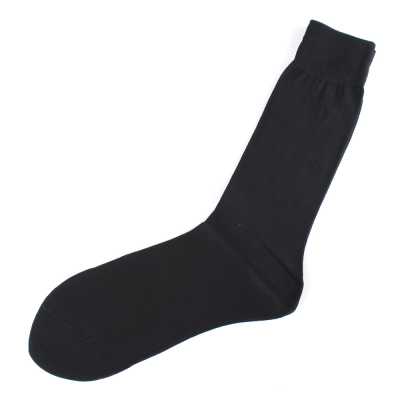
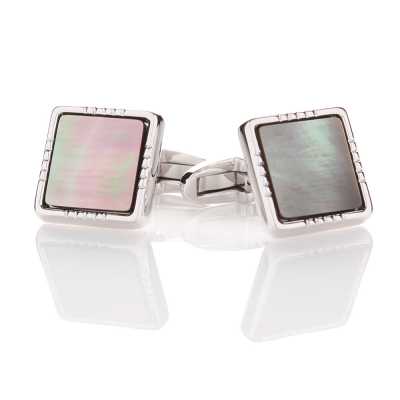
Black Formal
Black formal refers to formalwear worn mainly for funerals and other mourning occasions, as well as the fabrics and accessories used for it, in a deep black color with subdued sheen and decoration.

Contents6 sections
Definition and overview
In Japan, black formal refers to black formalwear used mainly for funerals, memorial services, and other mourning occasions. The term may also refer to not only clothing, but also fabrics, linings, buttons, bags, and other items. It does not simply mean black clothes; a subdued appearance and appropriate decorum for the occasion are emphasized.
For men, black formal wear generally means a black formal suit. For women, a black dress, ensemble, or suit is common. Designs and accessories are often unified in black, and the reflection of the material, sheerness, and the appearance of hardware also affect the overall impression.
Shape and closures
For women, the basic style is a dress or jacketed style that minimizes exposed skin and keeps the neckline, sleeve length, and skirt length modest. Decorative frills, prominent seam changes, and ornate lace are avoided, and the look is kept to a simple silhouette.
For front-opening styles, buttons, hooks, and concealed zippers are used. To keep metal or glossy parts from standing out on the outside, self-fabric covered buttons, black-dyed buttons, and concealed plackets may be used.
- For the front closure of a jacket, a concealed placket is also used so the buttons are less visible.
- The zipper is placed at the center back or side seam to balance ease of fastening with a clean appearance.
- The tape of buttons, hooks, and zippers is also selected in black to blend with the fabric.
Materials and finishing
Fabrics often used include wool, polyester, or materials that combine them. Weaves vary, including plain weave, twill, and sandwashed surface styles, but the requirements are that the color appears deep and that excessive sheen, sheerness, and surface fuzz are not noticeable.
Because black can show differences in tone and sheen under lighting, the black of the outer fabric, buttons, thread, and lining is checked. On deep dark materials, sparkly appearance from fusible interlining, puckering at the seams, and shine caused by pressing can all lead to appearance defects, so care is needed.
- Highly glossy satin weaves, lame, and metallic-looking decorations are generally unsuitable for mourning wear.
- For lightweight fabrics, check for sheerness; for heavier fabrics, check the weight and seasonal suitability.
- Before sewing, test compatibility with the interlining and confirm whether any surface change occurs.
Dress code categories and use
Black formal wear is arranged not so much by day or night as by the stage of the mourning occasion and the wearer’s role. In general, the required shape and handling of accessories differ between the highly formal attire worn by close family members and relatives, and the semi-formal or informal formalwear used by attendees. Also confirm local customs, religion or sect, and the organizer’s guidance.
Black is also used in some celebratory settings, but the choice of accessories and material texture differs from black formal wear for mourning. Glossy accessories, flamboyant bags, and ties with strong patterns or colors are not usually matched with mourning attire.
How to choose and care for it
When selecting, check not only how deep the black is, but also how it appears in both natural light and indoor lighting, as well as surface reflection, sheerness, and drape. When combining multiple components such as a jacket and dress, also pay attention to differences in black caused by lot variations.
After wearing, do not leave dirt unattended; care for the item according to the care label. For storage, avoid direct sunlight and use a hanger that helps maintain the shape of the shoulders. High-temperature pressing can cause shine and fading, so use a pressing cloth and check the finish in an inconspicuous area.
Frequently asked questions
What is the difference between black formal wear and a black suit?
A black suit is a broad term that includes business wear and garments suitable for both celebrations and mourning. Black formal wear, on the other hand, is mainly intended for mourning occasions and emphasizes a deeper black, subdued sheen, and a simple design. Even if it looks black, suitability depends on factors such as weave pattern, sheen, and whether it has hardware.
What should be checked in the fabric for black formal wear?
In addition to the depth of black, sheen, sheerness, fuzz, and drape, check for sparkly appearance after applying interlining and shine after pressing. If the outer fabric, lining, sewing thread, and buttons are combined, also confirm whether the black tone appears consistent under lighting.
Can glossy materials be used for black formal wear for mourning?
Materials with only subdued reflection may be used, but strong gloss, lame, and conspicuous satin-like surfaces are generally avoided. Do not judge by material name alone; check the actual appearance based on weave, dyeing, and finishing, and choose according to the occasion and the formality level of the outfit.