Europe Tie
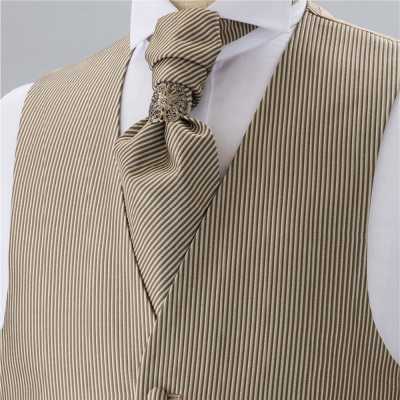
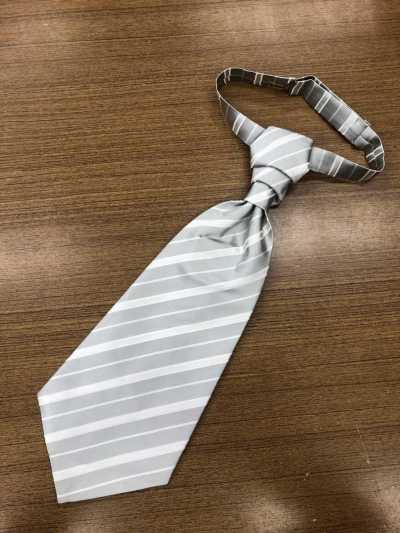
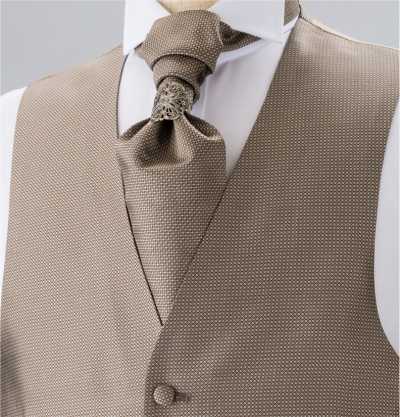
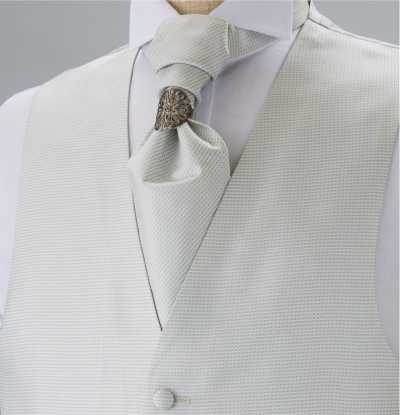
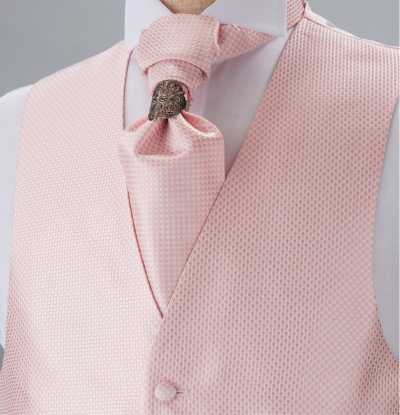
Europe tie is a term used for a neck accessory that conveys a European-style formal impression, and refers to tie-like products whose shape and fastening method vary by item.
Contents7 sections
Definition and Overview
Europe tie is a term generally used for a neck accessory that evokes a European-style dress look. However, it is not a name with a uniformly defined shape like a necktie or bow tie, and may be used as a design or sales name.
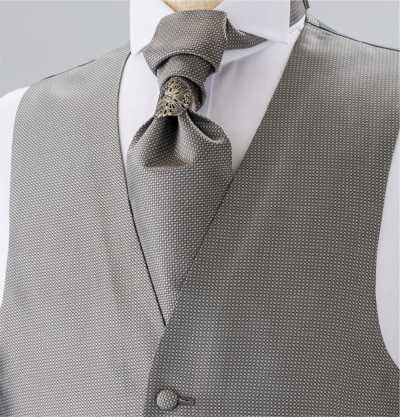
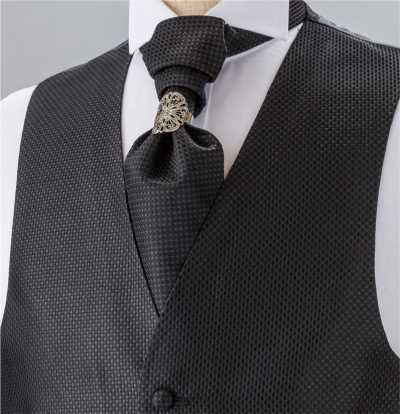
It is sometimes proposed together with accessories such as a tie ring made from the same material. In planning, production, and wear, it is important not to judge specifications by the name alone, but to confirm the finished shape, neck circumference, and fastening method.
Parts and Construction
The structure can be broadly divided into a band-like section that goes around the neck and a decorative section shown at the front center. The front section varies by product, such as a knot-like design, a dangling pointed section, or a ribbon-like section.
Fastening methods include a method that adjusts the neck circumference and secures it with hardware, and a method that attaches a preformed main body with a hook or similar fitting. Whether it needs to be tied and whether the hardware is visible when putting it on or taking it off should also be made clear in the specifications.
- Neck circumference and adjustable range
- Width, length, and left-right symmetry of the decorative section at the front center
- Position of the fastener, direction of attachment/removal, and contact against the skin side
- Whether accessories such as a tie ring are included
Materials and Finishing
For the outer fabric, silk-like woven fabrics that make use of luster and drape, and easy-to-handle polyester woven fabrics, are used. Weave and surface texture, such as satin, Jacquard, or velvet-like finishes, affect the elegance and formality of the outfit.
The presence or absence of interfacing and lining, the thickness, and the sewing method change the three-dimensional look of the front section and how well it holds its shape. Fabrics with strong sheen can look different under lighting, so color and texture are checked with the costume or jacket placed alongside it.
Matching Outfits and How to Use
Europe tie is used with outfits that call for decorative neckwear, such as ceremonies, parties, stage costumes, and customer service uniforms. Depending on the time of day and the formality of the occasion, the color, sheen, and amount of decoration are adjusted to be either subdued or more glamorous.
For strictly formal dress, priority is given to the dress code set by the invitation, venue, or organization. Since the name Europe tie itself does not guarantee a formalwear category, when black tie or white tie is specified, choose the designated neckwear.
How to Choose and Care for It
When selecting it, look at the collar shape, neck circumference, jacket lapel width, and balance with the opening at the chest. If the decorative section is too large, the collar area may lift; if it is too small, it may be lost within the outfit, so check the front and side views with a wear sample.
For storage, avoid folding it sharply or putting stress on the fastener. Treatment of stains and wrinkles differs depending on the outer fabric, interfacing, and the material of the hardware, so follow the care label or product handling instructions.
Differences from Similar Terms
A bow tie is neckwear worn at the neck with a butterfly-shaped ribbon-like section. An ascot tie refers to a wide tie that is crossed and tied at the neck. Europe tie may share shapes with these items, but rather than indicating a fixed structure, it is sometimes treated as a design-based term.
A regular necktie is a long, narrow tie worn by tying the wide end and the narrow end together. Whether a Europe tie is classified as a necktie or treated as a preformed decorative tie is determined by the specifications of each product.
Frequently Asked Questions
Is a Europe tie the same as a bow tie?
Not necessarily. A bow tie refers to butterfly-shaped ribbon-like neckwear, while Europe tie is used as a term for a decorative neck item with a European feel, and the shape of the front section, whether it has a tail, and the fastening method differ by product.
Can a Europe tie be used for formal dress?
The name Europe tie alone does not determine whether it is suitable for formal dress. If the event specifies formal, semi-formal, or informal dress, or if black tie, white tie, or similar is specified, choose neckwear according to the venue or invitation dress code.
What is important when checking Europe tie specifications?
Check the shape of the front center when finished, the neck circumference, the adjustable length range, and the type and position of the fastener. Also confirm, with a wear sample, the parts hidden by the collar, whether the hardware touches the skin, and combinations with accessories such as a tie ring made from the same material.