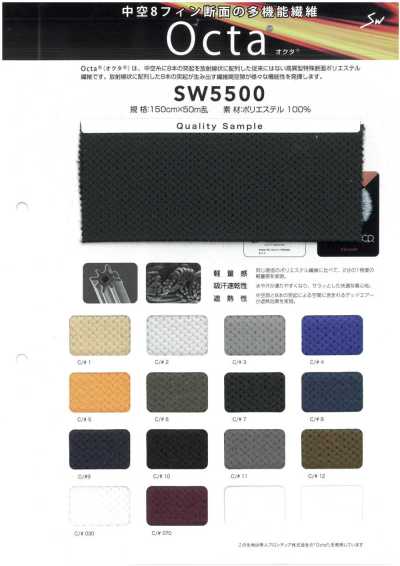
Milanese
Milanese is a type of warp knit made by crossing multiple yarns diagonally, and is a knit fabric characterized by fine diagonal ribs and a relatively stable surface even in lightweight constructions.


Contents6 sections
Definition and Overview
Milanese is a knit fabric classified as warp knit. Warp knitting is a method of knitting using many yarns aligned in the warp direction, and in Milanese the yarns move diagonally to form the stitches, creating delicate diagonal ribs and a mesh-like appearance on the surface.
It is the name of a knit structure, not a material name, and thickness, luster, stretch, and care requirements vary depending on the fiber used, yarn thickness, density, and finishing process. When selecting fabric, it is important not to judge performance by the structure name alone.
Features
It is often knitted with fine yarns, giving the surface a relatively smooth and neat impression. Depending on the yarn type, it can produce an elegant luster and a crisp hand feel, and it tends to hold its stitch structure well even as a lightweight knit.
Compared with ordinary weft knits such as jersey, it tends to differ in stretch by direction, and elasticity may be limited. On the other hand, actual stretch performance varies greatly depending on whether elastic yarn is knitted in and how much stability is added through finishing.
- Its appearance is a fine diagonal rib or delicate mesh.
- It is a structure often used for lightweight to medium-light fabrics.
- Luster, coolness, and softness vary depending on the material and finishing.
Main Applications
Its delicate, even surface makes it suitable for innerwear, lingerie, and lightweight apparel. With fine yarns and breathable design, it is also suitable for spring and summer items, but seasonality should be judged by the material, fabric weight, and density rather than by the structure name.
For lightweight applications, check sheerness, skin feel, stretch, and recovery. When used as the outer fabric of garments, consider seam stretchability and shape stability, and combine with stabilizers, lining, or interfacing as needed.
Selection and Handling Notes
At the planning stage, check not only the blend ratio but also stretch in the warp, weft, and bias directions, recovery, dimensional change after washing, and sheerness through fabric swatches and prototypes. Especially for lightweight fabrics, confirm in advance whether seam allowance waviness, seam puckering, or dropped stitches during sewing will occur.
Shrinkage and distortion from washing depend on the type of fiber and the finishing process. Follow the care label, and before production test the fabric using the planned washing method. During cutting, check the direction that is prone to stretching, and if necessary relax the fabric tension by allowing it to rest off the roll.
- Select needles and sewing conditions suitable for the knit fabric to reduce needle holes and dropped stitches.
- Adjust differential feed and presser-foot pressure to prevent waviness caused by feeding.
- Consider stretch tape or stabilizers for areas prone to stretching, such as the neckline, shoulder seams, and front opening.
Differences from Similar Terms
Milanese has a name similar to Milano rib, but they are not the same. Milano rib is a representative knit structure made mainly by weft knitting and can be made relatively firm and stable, whereas Milanese is a warp-knit structure.
Tricot is also a type of warp knit, but its yarn movement and surface structure differ from Milanese. In transactions and planning, do not decide based on the name alone; confirm the structure, blend ratio, fabric weight, and stretch direction, and compare using fabric swatches.
Frequently Asked Questions
Are Milanese and Milano rib the same?
No, they are not the same. Milanese is a warp-knit structure formed by moving multiple yarns diagonally, while Milano rib is a knit fabric made mainly by weft knitting. Because the names are similar, purchase orders and specifications should include the structure sample, blend ratio, fabric weight, and stretch direction for confirmation.
Does Milanese shrink in home laundry?
The degree of shrinkage cannot be determined by the Milanese structure alone. It varies depending on the material, such as cotton, wool, or synthetic fibers, as well as the properties of the yarn and the dyeing and finishing processes. Before adoption, carry out a washing test under the conditions on the care label and check dimensional and appearance changes.