


Paste Dot
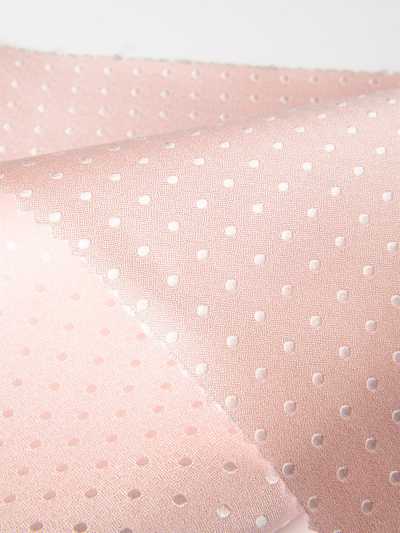
Paste Dot is a dot coating method for applying adhesive resin in a paste form to one side of interfacing in a dotted pattern, then heat-bonding it to the outer fabric.
Contents6 sections
Definition and Overview
Paste Dot is a processing method that applies adhesive resin in a regular dotted pattern to the base fabric of fusible interlining. Because it does not cover the entire surface with resin, it can bond to the outer fabric with heat and pressure while relatively preserving the interlining's softness and breathability. The dots are placed on the interlining's bonding side, not on the outer-fabric side.
Here, paste refers to a coating material in which powdered adhesive resin is dispersed. Paste Dot is not a type of interlining itself, but a method of applying adhesive resin. It is therefore used in combination with base fabrics such as woven interlining, nonwoven interlining, and knitted interlining.
Applicable Areas and Role
It is mainly used on areas where shape needs to be maintained or stretching restrained, such as collars, front plackets, cuffs, facings, front panels, and the waist area. The purpose is to make the outer fabric easier to handle during sewing, improve shape retention when worn, and provide partial reinforcement while preserving the texture of the outer fabric.
The area to be applied is determined by the garment design and the properties of the outer fabric. In shirts, it is often used on the collar, collar stand, and front placket; in jackets and coats, it is used on facings, front panels, and collars. On light fabrics, it may be used only in selected areas to avoid show-through or stiffening.
Materials and Dot Types
Base fabrics used for Paste Dot processing include nonwovens, woven fabrics, and knitted fabrics, and the base fabric materials may vary, including polyester, cotton, and rayon. The final result depends on the thickness, density, and elasticity of the base fabric, as well as the type of adhesive resin, dot size, dot density, and amount of resin.
Powder Dot is a method in which powdered resin is applied in dotted form, and it differs from Paste Dot in the way the resin is applied. Double Dot refers to a specification that uses multiple layers of dots to adjust adhesion and surface properties. These are used according to the application and quality requirements.
- The thinner and softer the base fabric, the more a light and flexible adhesive specification is required.
- If the outer fabric has texture or brushed surface effects, confirm that sufficient bonding area can be secured.
- For stretch materials, choose interlining and an adhesive specification that can follow the stretch of the outer fabric.
How to Choose and Compatibility with the Outer Fabric
Select the interlining with the idea of supplementing only the necessary firmness and shape retention for the product, while avoiding anything significantly thicker, harder, or heavier than the outer fabric. With thin fabrics or fabrics with drape, the dots may show through, cause a difference in luster, or impair the hand, so always check using the actual outer fabric.
The adhesive resin is affected by the fiber type and surface finish of the outer fabric. Water-repellent finishes, brushed surfaces, coatings, and fabrics with strong texture may cause poor adhesion. It is important to check for peeling, bubbling, resin strike-through, and appearance changes through tests assuming washing, cleaning, and wear.
Precautions for Bonding and Sewing
For bonding, use the specified temperature, time, pressure, and cooling conditions for each interlining as the standard. If conditions are insufficient, peeling and interlining lifting are more likely to occur, while excessive heat or pressure may lead to shine, shrinkage, resin strike-through, and a harder hand in the outer fabric.
Before full production, run tests on the actual bonding press and record the outer fabric, interlining, cutting direction, and bonding conditions. During sewing, adjust the needle, thread, and stitch density to account for the thickness and stiffness that appear after bonding, and check for seam puckering and fading.
Frequently Asked Questions
What is the difference between Paste Dot and Powder Dot?
Both are specifications that apply adhesive resin in dot form to fusible interlining, but the main difference is the method of resin application. Paste Dot uses resin adjusted into a paste form, while Powder Dot uses powdered resin. Actual performance is judged by considering the base fabric, resin, dot design, and bonding conditions together.
What should be checked if interlining lifting occurs with Paste Dot interlining?
First, confirm whether the bonding temperature, time, pressure, and cooling match the specified conditions for the interlining. Next, check whether the outer fabric's water-repellent finish, surface texture, brushed surface, or stretch properties are interfering with adhesion. The suitability of the interlining's stiffness and resin amount for the outer fabric should also be reevaluated, including after washing.
What should be noted when using Paste Dot interlining on thin outer fabrics?
With thin outer fabrics, the dot texture may appear on the surface, or only the bonded areas may become glossier or stiffer. Consider a lighter, softer interlining and partial bonding as well. It is necessary to make a sample using the same outer fabric, press conditions, and sewing specifications as the final product, and check the surface appearance, drape, and sheerness.





