Pleated Shirtfront
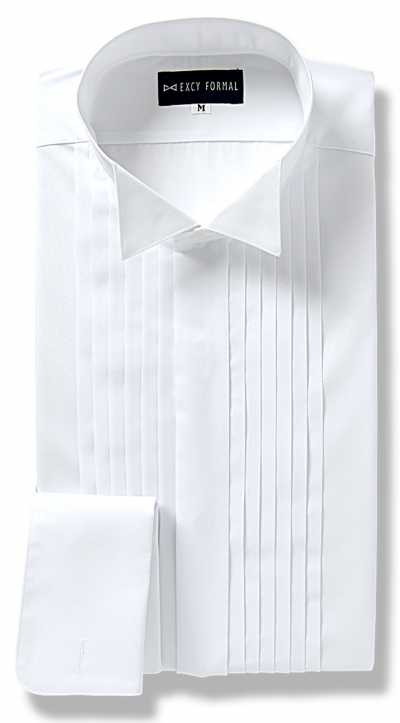
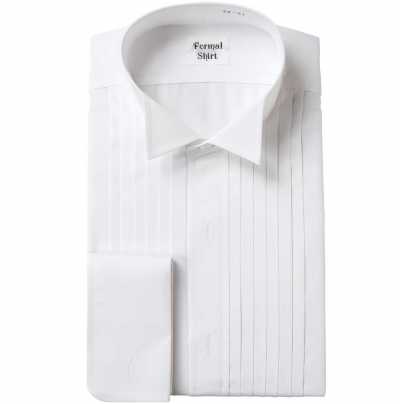
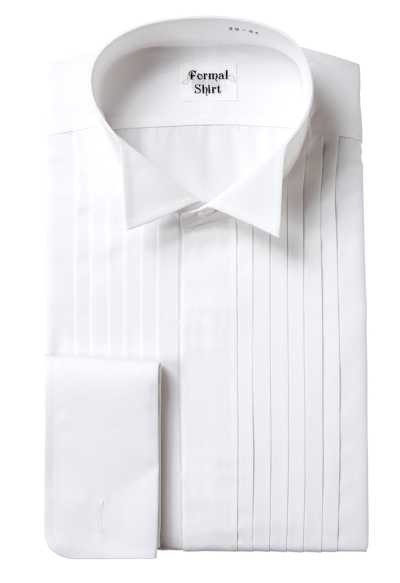
A pleated shirtfront is a decorative front placket style used on formal shirts for tuxedos and similar attire, with fine pleats neatly arranged in the chest area of the front body.
Contents6 sections
Definition and Overview
Pleated shirtfront refers to a decorative pleated section set in the front body of a shirt, from the collar area to the chest. The English term bib means a chest-covering front panel, and it is used on formal shirts to emphasize this area.
The pleats are often expressed as narrow pintucks, adding shadow and a neat appearance to a white shirt fabric. A pleated shirtfront is not a fabric weave or material name, but a design and tailoring specification for the chest area.
Part and Construction
In general, multiple vertical pleats are arranged in the chest area straddling the center front. In addition to construction that stitches tucks directly into the front body, there is also construction in which a separate bib-like piece with pleats is layered over the front body.
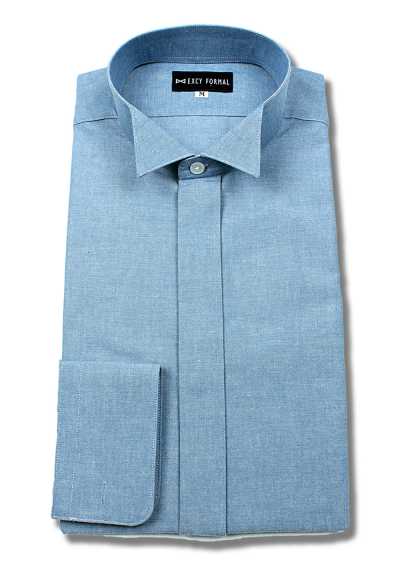
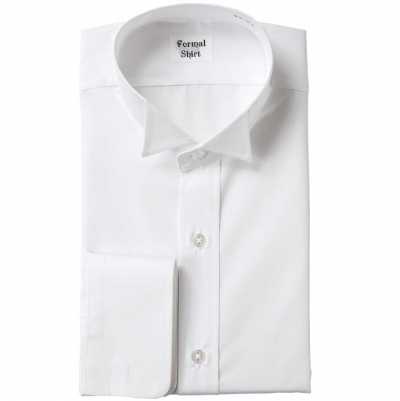
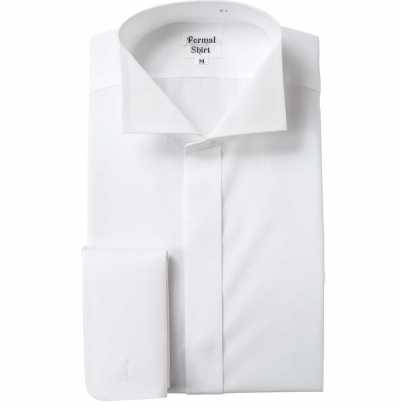
The front opening may be a standard button closure, a specification using stud buttons, or a concealed placket that hides the buttons. A set of pleated shirtfronts combines pleats of different widths and spacing to add variation to the chest area.
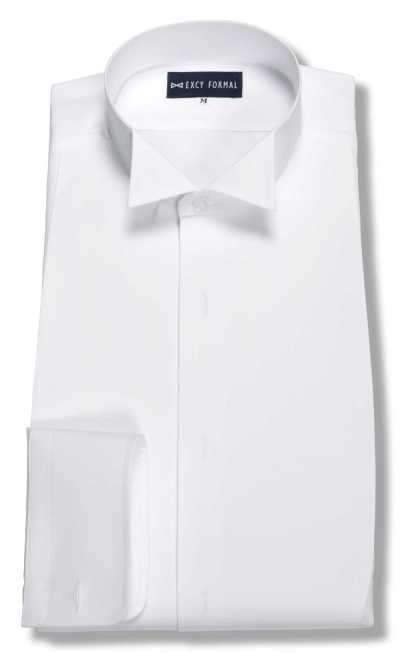
- The style combined with a wing collar is seen in tailcoat and tuxedo shirts.
- Whether it is designed for stud buttons, has buttons, or uses a concealed placket changes the appearance of the front opening and the required trim.
- When combined with double cuffs, the use of cufflinks is also checked.
Materials and Finishing
White solid shirt fabrics with moderate firmness that hold the pleated shape well are often used. Cotton gives a clean appearance easily, and polyester blends may be chosen with shape retention and ease of care in mind.
The width and spacing of the pleats, as well as stitching precision, affect the appearance. If the fabric is too thin, the pleats may become unstable; if it is too thick, bulk will appear at the chest, so the thickness and firmness of the material should be checked against the specification.
Coordinating Outfit and Use
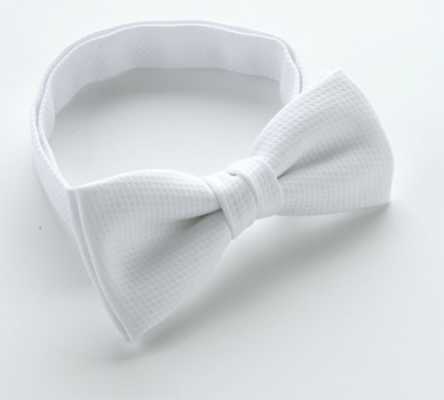
Pleated shirtfront is a specification often matched with tuxedo attire, which is mainly evening formalwear. When worn with a bow tie, cummerbund, vest, or cufflinks, the shirt front opening and cuff specifications should be kept consistent.
In daytime formalwear and semi-formalwear, the required shirt collar shape and chest-area specification may differ. It is important to prioritize day or night, the type of event, and the dress code stated on the invitation to confirm whether a pleated shirtfront is appropriate.
Selection and Handling Notes
When selecting, check the collar shape, front opening, cuffs, and the combination with the jacket to be worn. If wearing a bow tie, confirm through a fitting that the point where the pleats begin to show from the collar area does not look unnatural.
During washing and ironing, it is important not to disturb the pleat creases. Follow the care label, and press with the iron while keeping the pleats in order. Remove stud buttons and cufflinks before washing or storage.
Unlike a plain front without pleats, a pleated shirtfront is a specification that adds decoration to the chest area. A concealed placket, on the other hand, refers to a front opening construction that hides the buttons, and it is a separate element from whether pleats are present.
Frequently Asked Questions
Are a pleated shirtfront and pintucks the same?
A pleated shirtfront refers to the overall specification of arranging pleats in the chest area of a formal shirt, while pintucks refer to the technique of sewing narrow tucks. Since pintucks are often used in pleated shirtfronts, the two terms may be used with similar meanings in product descriptions.
Do shirts with pleated shirtfronts need stud buttons?
Not necessarily. In addition to front openings that use stud buttons, there are specifications with standard button closures and concealed plackets that hide the buttons. When purchasing or producing, confirm the front-opening type and whether stud buttons are required.
Can a pleated shirtfront be worn for daytime formalwear?
Pleated shirtfront is a specification often used on shirts for evening formalwear. For daytime formalwear, the appropriate chest treatment varies depending on the formality level, collar shape, and customary practice of the event. Make your decision according to the organizer's instructions and the venue's dress code.