Tape
Tape is a general term for narrow strip-like materials used in clothing and fashion accessories, and it is a notion of trim selected by material and construction according to applications such as edging, reinforcement, stretch prevention, decoration, and ties or handles.
Contents6 sections
Definition and Overview
Tape is a general term for narrow strip-like materials made by weaving, knitting, or resin molding. It is used for purposes such as binding garment edges, reinforcing seams, preventing dimensional change, and adding decoration, and it is also used for bags and interior materials.
Even among narrow strip-like materials, it is distinguished from ribbons, which are mainly decorative, and from cords and cords with a round cross-section or a raised shape. However, because names can overlap depending on shape and use in sales settings, it is important to check the width, thickness, stretch, and structure.
Main Types and Differences
Tape is easier to choose when considered by type, such as for tailoring, reinforcement, function, or decoration. The suitable part and sewing method differ depending on whether it has a folded shape, the weave or knit structure, stretch, and durability.
- Bias tape is tape for binding fabric edges. It uses stretch in the bias direction and is easy to fit curved areas.
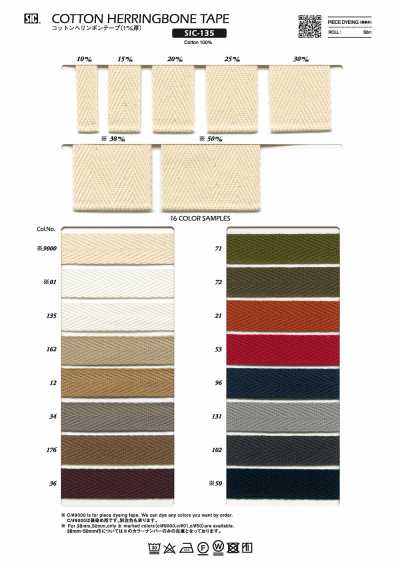
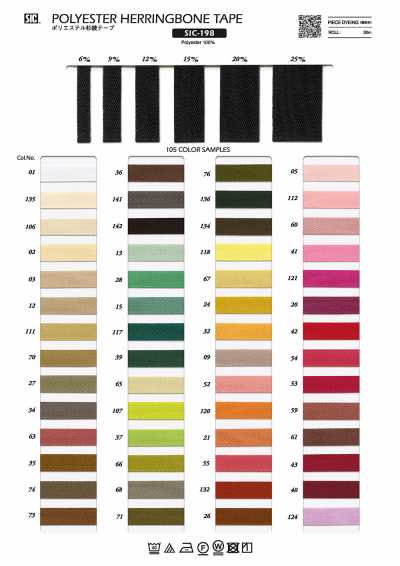
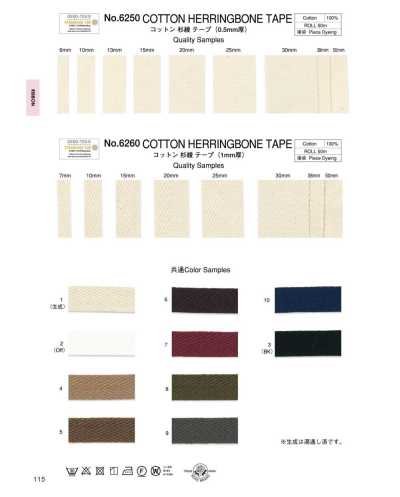
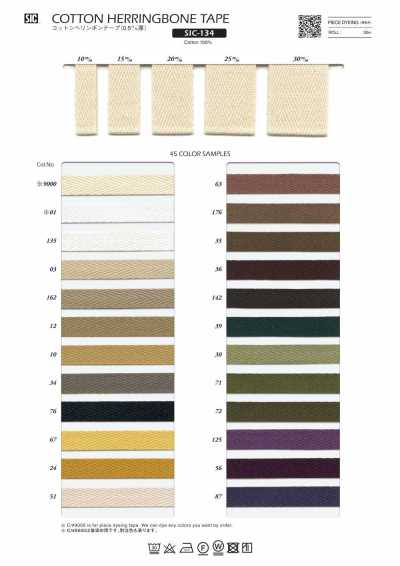
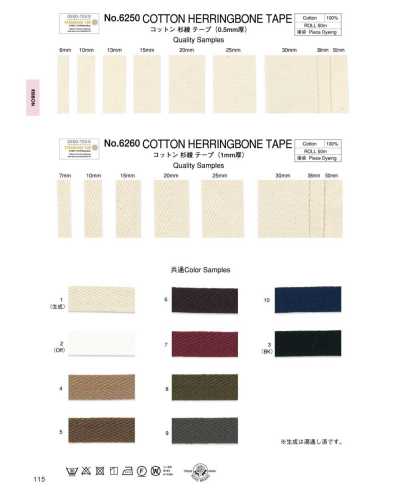
- Herringbone tape is a flat tape with a herringbone weave pattern. It is used for a wide range of applications, including reinforcement, facings, loops, and decoration.
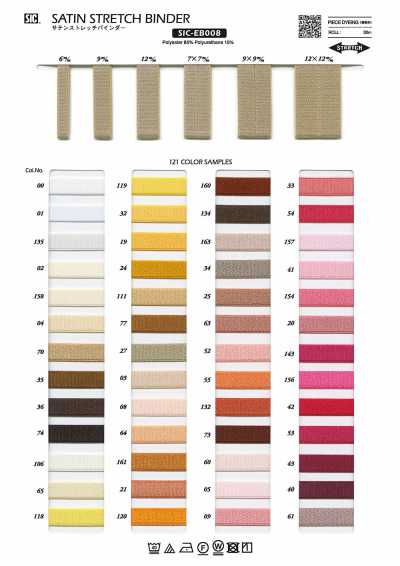
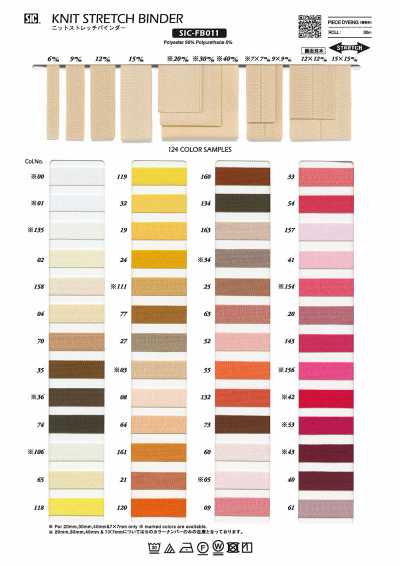
- Stretch tape is tape that uses elasticity to stabilize seam allowances and edges. Care must be taken to avoid shrinkage caused by over-stretching.
- PP tape and webbing are relatively firm flat tapes. They are used for applications that require strength and durability, such as bag handles, belts, and straps.
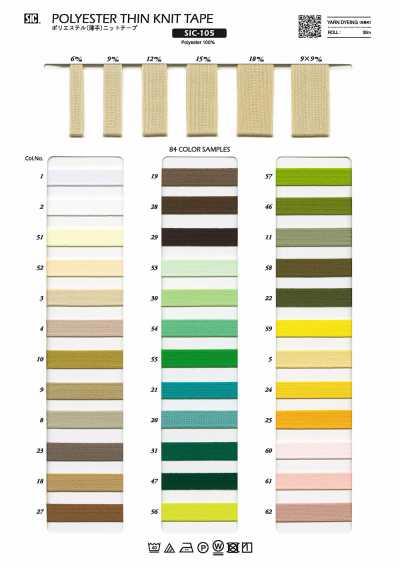
- Picot tape, herringbone tape, knit tape, and logo tape are chosen for applications that emphasize appearance and texture, such as edge decoration, design, and finishing elastic sections.
How to Choose and How to Find It in Product Listings
First, decide the finished width and the thickness of the part to be sewn. For edging, check the folded shape and how well it follows curves; for handles, check the width and strength; for stretch prevention, check elasticity and directionality; and for decoration, check surface feel and pattern. Also check color difference, gloss difference, and shrinkage difference after washing in advance.
As for materials, cotton is chosen for a natural feel, polyester for ease of handling, acrylic for color development and versatility, and polypropylene for lightness and a firm texture. Do not judge the required performance by the material name alone; check thickness, structure, processing, and care tag information together.
In product listings, it is easier to search by narrowing down by type, width, material, color, elasticity, and use. If the application is not yet decided, first choose the type of tape, then compare candidates according to the required finished width and how it will be attached.
Handling and Sewing Notes
Before cutting, check the tape itself for stretch, warping, fraying, and heat-related changes. When sewing in stretch tape, the result changes depending on how much you feed the tape and the fabric, so perform sewing tests under the same conditions before mass production.
When edging, pulling too much at curved sections causes puckering, while leaving too much slack causes waviness. For thick tape and overlapping sections, review the choice of needle, thread, and presser foot, and check that skipped stitches and misalignment do not occur at step transitions.
Even if a type can be heat cut, the edge may become hard or discolored depending on the material and processing. For products expected to be washed, rubbed, ironed, or dry-cleaned, check appearance and strength changes in combination with the outer fabric.
Differences from Similar Terms
Ribbon is a narrow strip material centered on decoration and tying uses, and compared with tape it may place more emphasis on gloss, sheerness, and pattern. Tape includes decorative types, but it is a broader term that also includes products for reinforcement, edging, and fixing.
Cord is a slender material suited to tying, threading, and tightening, and includes flat cord and round cord. Piping refers to a specification or material in which a cord with a core is inserted into a seam or seam line to create definition, and its cross-sectional shape and use differ from those of flat tape.
Frequently Asked Questions
How should bias tape and herringbone tape be used differently?
For curved edging and binding fabric edges, bias tape is suitable because it fits curves well. Herringbone tape is relatively shape-stable and is easy to use for reinforcement, loops, and straight-edged decoration. In the end, judge by width, thickness, and the shape of the part to be sewn.
What causes fabric to wave after tape is sewn on?
The main causes are that the amount of stretch in the tape and fabric do not match, the tape is pulled too much during sewing, or the presser pressure and thread tension are not appropriate. This is especially likely with stretch materials and curved sections, so sew a test piece with the same fabric and adjust the feed amount.