Tie Tack
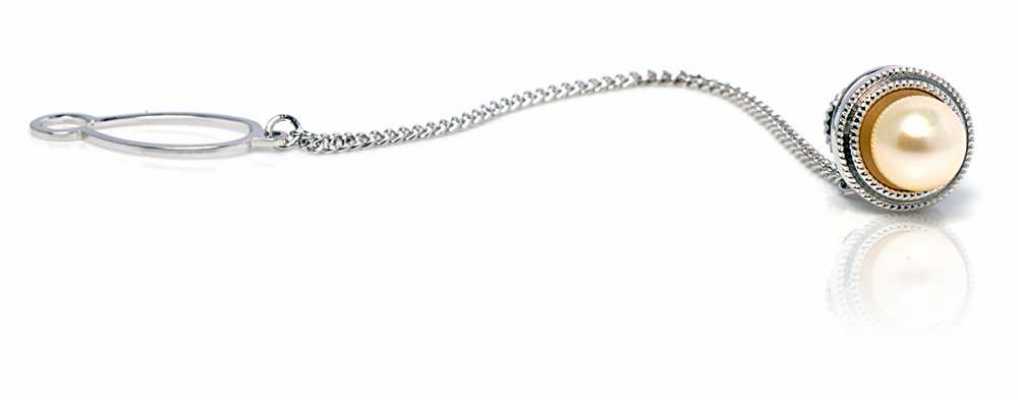
A tie tack is an accessory with a decorative top and a pin that is passed through the front of a tie and shirt and secured with a clasp to prevent the tie from swinging.
Contents7 sections
Definition and Overview
A tie tack is a pin-style accessory that holds a tie and shirt together while displaying a decorative front on the tie. It combines decoration and fastening, adding a small accent to the chest area of a suit style.
Although the name contains "tack," it is different from a tack used in sewing and from tack buttons for clothing. It is handled as a neckwear accessory, and it is important to check the component structure and how the pin is handled.
Parts and How to Fasten
Generally, the front side consists of a decorative part with a motif or stone, while the back side consists of a thin pin, a clasp, and, if needed, a chain or bar. The pin is passed through the front body of the tie and shirt, and secured from the back with the clasp.
The wearing position is usually around the center of the tie, adjusted to a height that will be visible between the lapels when wearing a jacket. If the clasp is loose, it can come off easily, so check that it is securely fastened after putting it on.
- Pass the pin through both the tie fabric and the shirt fabric together.
- Styles with a chain may have a design that hooks one side to a shirt button or similar to help prevent it from falling.
- Care is needed with thin or delicate ties, where pinholes may be more noticeable.
Materials and Finish
The main body is often made of metal, such as brass, stainless steel, or alloy. Surface finishes include plating for shine, subdued glossy finishes, and engraved textures, and matching the color with suit hardware or a watch creates a more cohesive look.
The decorative part may use pearls, glass, rhinestones, or materials that resemble natural stone. A lustrous pearl-like design can add subtle elegance, while designs using stones or large motifs have a stronger decorative effect.
Matching Outfits and How to Wear
A tie tack is an item that pairs well with daytime dressing that includes a tie, such as business suits, ceremonies, and celebratory receptions. Keeping the motif size, gloss, and number of colors restrained makes it easier to use in relation to the formality of the outfit and the atmosphere of the venue.
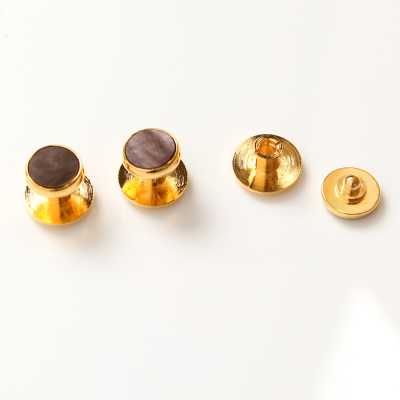
For formal evening wear, check the relationship with the standard attire required for tuxedos or tailcoats, such as shirts, stud buttons, and cufflinks. Since tie tacks are sometimes not used for black tie or white tie, give priority to the invitation instructions and custom.
- For mourning occasions, it is generally best to avoid items with strong shine or noticeable decoration.
- For daytime formal wear, subdued metallic colors or pearl-like designs may be chosen.
- When wearing it, make sure the decorative emphasis does not overlap too much with the tie pattern or pocket square.
Differences from Similar Terms
A tie bar is a bar-shaped metal accessory that clamps the tie from the side and secures it to the shirt. Its fastening method differs from a tie tack, which passes through the fabric with a pin, and a tie bar usually does not leave pinholes.
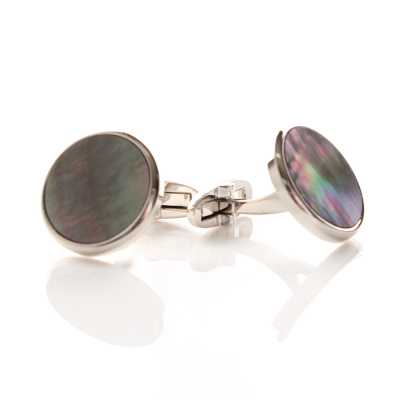
A lapel pin is a decorative pin worn on a jacket lapel and is not used to secure a tie. Cufflinks are accessories for fastening shirt cuffs, and each of these has a different placement and function.
Selection and Handling Notes
When choosing one, check the pin length and thickness, the holding strength of the clasp, whether it has a chain, and the weight of the decorative part. With thick ties, the pin may not reach easily, and with thin silk and similar fabrics, pinholes or snags may be noticeable.
After use, wipe off sweat and oils with a soft cloth and store it with the pin tip protected. Perfume, moisture, and hair styling products can cause discoloration or dullness if they adhere to the metal surface or decorative part, so get dressed in an order that minimizes direct contact.
Frequently Asked Questions
Which should I choose, a tie tack or a tie bar?
If you want to fasten the tie neatly from the side without making pinholes, a tie bar is suitable. A tie tack has decorative appeal because it shows the motif, and it secures the tie and shirt with a pin. Choose based on the thickness of the tie fabric and whether you want to avoid leaving holes.
Can a tie tack be used for mourning occasions?
For mourning occasions, it is basic to keep shine and decoration subdued. There are also situations where it is safer not to use a tie tack at all. Even when using one, check local customs, the funeral notice, and your relationship with the bereaved family, and avoid conspicuous designs.
Does a tie tack make holes in the tie?
Because it is secured by passing a pin through the fabric, it does create pinholes in the tie. With delicate silk, loosely woven fabrics, or thin fabrics, holes or snags may be noticeable. Avoid repeated use in the same spot, and check that the pin tip is not damaged or bent.
- Search products for "tie tack"
- Products with material "Brass"
- Products with material "Stainless Steel"
- Products with material "Metal"
- Products with material "Imitation Pearl"
- Products with material "Glass"
- Products with material "Rhinestone"
- Products for style "For Jackets/Suits"
- Products for style "For Formal Wear"
- Products for style "For Shirts/blouses"
- Browse Formal Accessories products