Undercollar
An undercollar is the collar part used on jackets, coats, and similar garments for the side that faces the neck or the underside when worn, or the textile or interlining used for that purpose.
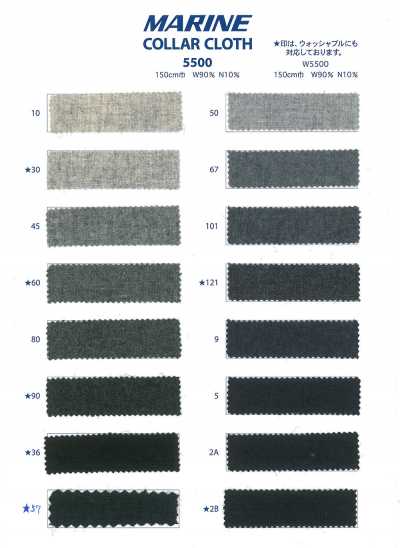
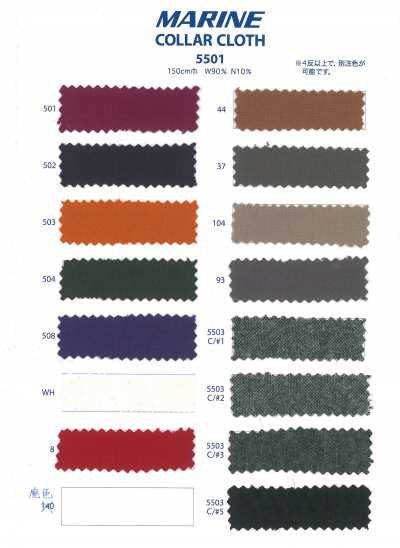
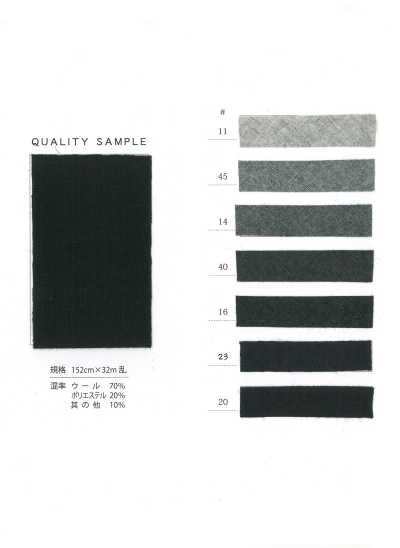
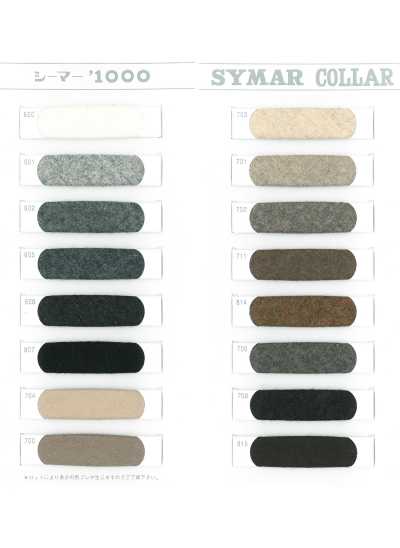
Contents6 sections
Definition and Overview
An undercollar is the part that mainly forms the underside of the collar on tailored jackets, coats, and similar garments. It attaches under the upper collar, stabilizes the section that follows the neck and extends to the collar stand, and supports the shape so the collar rolls neatly.
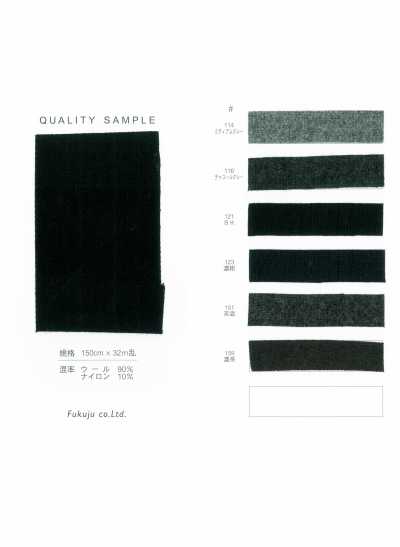
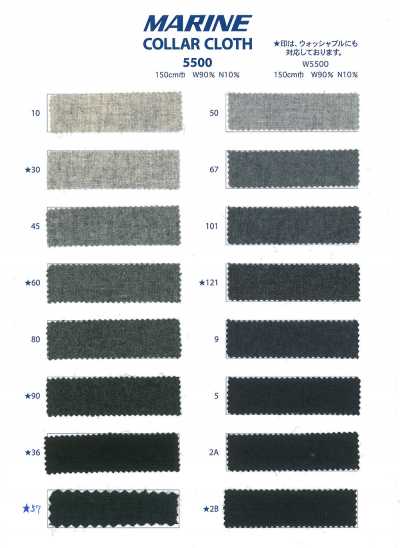
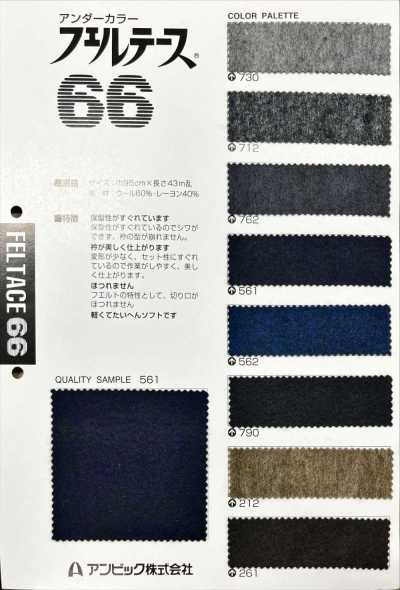
As a material term, it may also refer to the woven fabric or interlining used for the undercollar. In particular, "jigoro" is used almost synonymously with undercollar, but the scope may differ depending on the factory or specification, so confirm whether it refers to a cut piece or a material.
Position and Role
Because the undercollar may be visible when the collar is raised or during wear, harmony in color and surface texture with the upper collar is also important. At the same time, it bears friction around the neck and helps stabilize the collar roll and crease line.
Compared with making the collar from the upper collar alone, combining suitable fabric and interlining for the undercollar makes it easier to shape the collar while keeping bulk down. Depending on the tailoring specification, some designs also show part of the undercollar.
Materials and Types
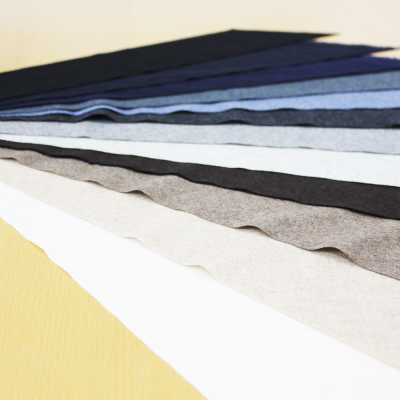
Fabrics for the undercollar are woven fabrics with a moderate firmness that helps retain the collar shape and enough flexibility to conform to the neck area. For wool jackets and coats, they may also be tailored in combination with supplementary materials such as haircloth interlining.
In constructions that use fusible interlining, the undercollar interlining is selected according to the thickness, stretch, and texture of the outer fabric. Woven interlining, nonwoven interlining, and haircloth interlining differ in structure, and this also affects the final firmness, resilience, and ease of handling during sewing.
- Color and surface texture that blend with the outer fabric
- Firmness and resilience that support the collar roll
- Thickness and flexibility that sit well around the neck
- Shrinkage difference and fusibility with the outer fabric
Main Applications
Undercollars are commonly used on collars that are worn folded down, such as tailored jackets, suits, and Chester coats. They are also used according to specification in uniforms and formalwear that require a stable collar structure.
Shirt stand collars and shirt collars also have underside parts, but these are generally treated as collar fabric or collar interlining rather than undercollar fabric. The term undercollar is used especially for garments made with the upper and lower collar separated as distinct parts.
Selection and Sewing Notes
When selecting, confirm compatibility with the outer fabric using an actual sample. If the undercollar is too stiff, it will not follow the neck well; if it is too soft, the collar point and roll line will not settle properly. In fusible constructions, test the hand after pressing, peeling, strike-through, and showing through of the outer fabric.
In sewing, it is important to align the grain, balance the left and right pieces, and keep seam allowance thickness even. Extra thickness or puckering near the collar roll line can cause defects such as the collar lifting, waviness, or different roll shapes on the left and right sides.
In high-quality tailoring that uses haircloth interlining, the interlining and fabric may be blended together with pick stitching to create the collar stand and roll. The process and finish differ from simple constructions that use fusible interlining.
Frequently Asked Questions
Are undercollar and jigoro the same?
In many cases, jigoro refers to the part or material that forms the underside or neck side of the collar, in the same way as undercollar. However, depending on the specification or factory, it may refer only to the cut piece, or only to the interlining for jigoro. In orders and instructions, specify the intended item clearly.
Is fusible interlining necessary for the undercollar?
It is not always necessary, but it is used to help maintain collar shape and stabilize the roll. Depending on the thickness and stretch of the outer fabric and the desired construction, choose fusible interlining, haircloth interlining, or a construction without interlining. Confirm in advance with test bonding and a sewing sample.
What should I watch for when choosing fabric for the undercollar?
Check the color difference, thickness, stretch, and shrinkage difference from the outer fabric, and achieve both the firmness needed for the collar roll and a comfortable fit around the neck. With brushed materials and patterns, also pay attention to nap direction, pattern direction, and how they appear on the left and right sides. If interlining is used together, check the appearance after bonding as well.