Collar Stand
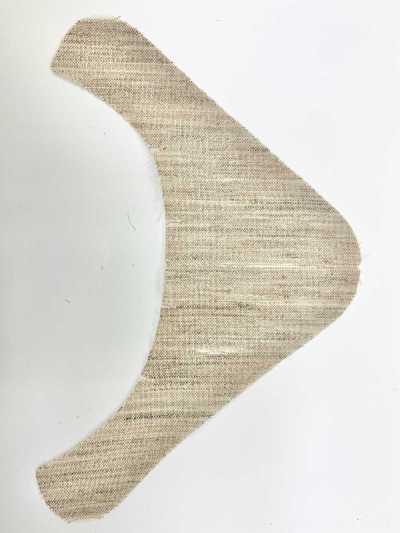
A collar stand is the band-like collar section attached between the body and the upper collar to support the collar’s shape and how it sits around the neck while standing it up along the neckline.
Contents6 sections
Definition and Part
The collar stand is the band-like section of a shirt collar that follows the neck. In general, the collar stand is sewn to the neckline side of the body, and the upper collar that folds over it is attached to its top edge. At the center front, buttons and buttonholes are often provided to fasten the neck opening.
The collar stand is also written as "collar stand" in some cases, and is sometimes called a collar stand. However, since "collar stand" can also refer to a stand collar that keeps the entire collar upright, it is best to specify the part and shape in the specification sheet.
Role and Shape
The collar stand serves as the base that follows the neck opening and controls the upper collar’s rise, opening, and roll. The height, curve, and amount of overlap at the front edge of the collar stand affect not only the appearance, but also ease around the neck and tightness when buttoned.
In shirts, a folded collar with a collar stand is typical. On the other hand, garments made with only a band-like collar and no upper collar are called stand collars. Collar rise is a term for the height at which the collar rises from the neck and the related section, and it is used differently from collar stand, which is the name of the component or part.
How to Choose the Material and Interlining
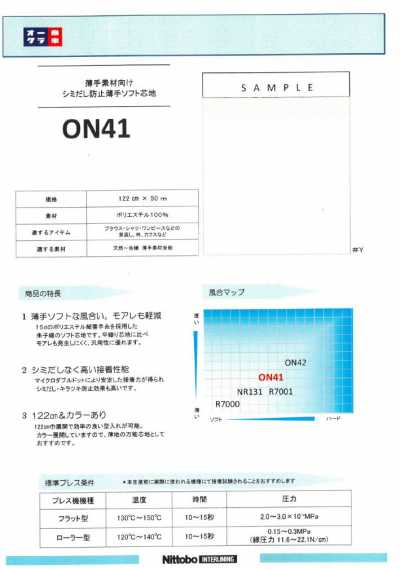
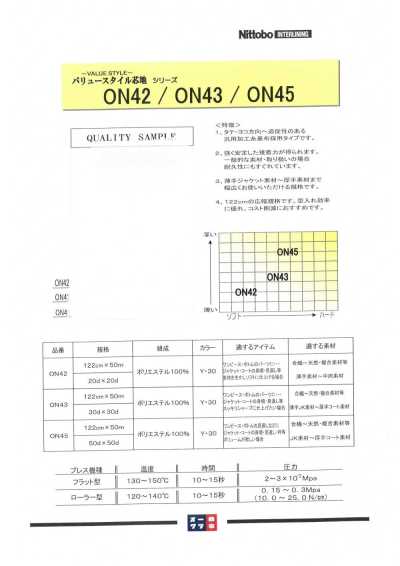
For the outer fabric of the collar stand, the same fabric as the body or upper collar is often used. To keep its shape, fusible interlining or non fusible interlining is inserted inside. The thickness, stiffness, and attachment method of the interlining affect the collar’s firmness, how well it fits around the neck, and its appearance after washing.
For a neat collar like a dress shirt collar, choose interlining with moderate firmness while checking compatibility with the outer fabric. For casual shirts and lightweight fabrics, interlining that is too stiff can cause neck irritation and puckering, so it is important to match the outer fabric’s thickness, stretch, and washing conditions.
- If shape retention is important, consider a firm interlining.
- If a soft wearing feel is important, consider a thin or flexible interlining.
- For washable items, check in advance for shrinkage differences between the outer fabric and interlining, and for any peeling.
Main Uses
The collar stand is used for shirt collars with a collar stand, such as shirts, casual shirts, and blouses. It is also used in blousons, coats, and uniforms to shape the neck opening or as the base for a stand collar.
Even with collars that use the same collar stand, the impression changes greatly depending on the size and angle of the upper collar and the height of the collar stand. In the planning stage, design should take the wearing situation into account, such as whether a tie will be worn, whether the first button will be left open, or whether warmth is required.
Sewing and Handling Notes
Because the collar stand is sewn to a curved neck opening, align the grain line and notches accurately to prevent stretching during sewing and excessive easing. The seam allowance thickness of the outer and inner collar stands, the front corner, and the pressing of the roll line all affect left-right balance and bulkiness in the collar.
When applying interlining, confirm the fusing conditions for the outer fabric in advance. To avoid interlining lift caused by insufficient fusing, fading caused by excessive heat or pressure, and discoloration or changes in the texture of the outer fabric, check the appearance through trial sewing, including washing and dry cleaning, before full production.
Frequently Asked Questions
Are collar stand and collar rise the same thing?
They are sometimes treated as the same, but strictly speaking, collar stand refers to the band-like component or part attached around the neck. Collar rise is a term that often refers to the part of the collar that rises from the neck or its height. In specification sheets, showing the height of the collar stand and its relationship with the upper collar can reduce misunderstandings.
What kind of interlining is used for a collar stand?
Choose fusible interlining or non fusible interlining according to the thickness and stretch of the outer fabric, the desired collar stiffness, and washing or cleaning conditions. The stiffer the interlining, the easier it is to create shape, but neck irritation and how it settles during sewing must also be checked. Trial bonding of the outer fabric and interlining is important.
What is the difference between a collar stand and a stand collar?
A collar stand refers to the band-like section that supports the upper collar, whereas a stand collar refers to the overall collar design or specification that stands up around the neck. A shirt collar that has an upper collar folding over a collar stand is distinguished from a stand collar constructed only from a collar stand-like collar without an upper collar.