


Goat Haircloth Interlining
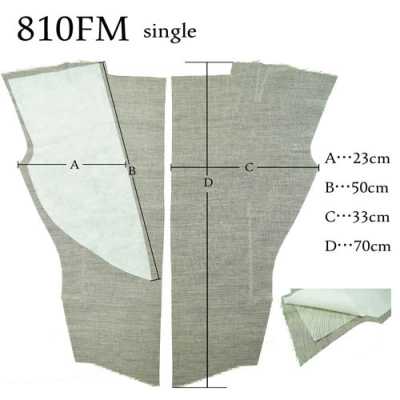
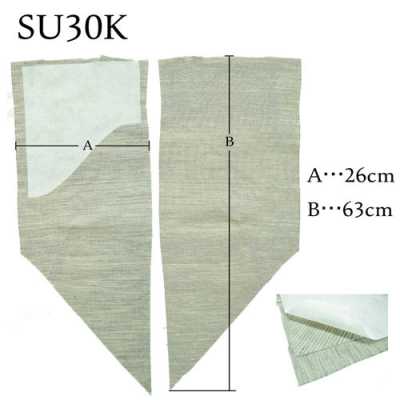
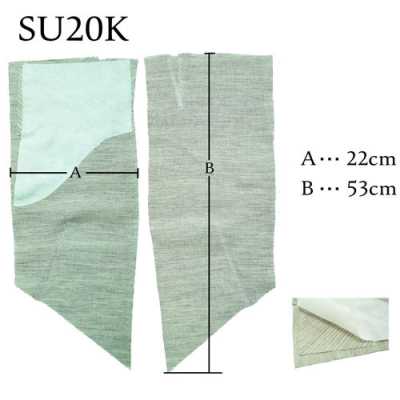
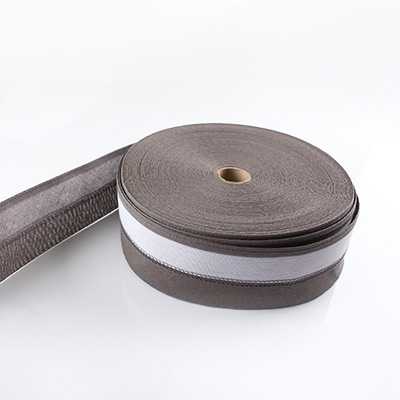
Goat haircloth interlining is a woven haircloth interlining that uses goat hair as part of its main raw material. It is a secondary material mainly inserted into the chest and collar areas of tailored garments to provide structure, resilience, and shape retention.
Contents6 sections
Definition and Overview
Goat haircloth interlining is a type of woven haircloth interlining made using goat hair. It uses the resilience of the hair to support the shape of a garment from the inside of the outer fabric. Because the interlining itself plays a structural role, it is mainly used in tailoring for menswear and formal wear.
Unlike ordinary fusible interlining, which is intended to be bonded to the outer fabric with adhesive resin, it is often treated as a non fusible interlining that is sewn in place. However, composition, weave, and processing specifications vary by product.
Where It Is Used and Its Role
The main areas of use are around the chest on the front body of jackets, as well as the lapel, collar, and facing area. It is placed between the outer fabric and lining to shape the chest curve and lapel roll while stabilizing the silhouette when worn.
When used in sections, it is sewn in only where needed, such as with pad stitching. Pad stitching is a hand-sewing technique that minimizes visible stitching on the outer fabric while blending the interlining and outer fabric together. It allows the shoulder area and chest to have the proper amount of ease and creates a three-dimensional structure.
- Construction of chest canvas and front body in jackets
- Forming and stabilizing the lapel roll line
- Maintaining the shape of the upper collar and undercollar
- Creating a neat silhouette in formal garments
Materials and Types
Goat haircloth interlining is not necessarily made only from goat hair; it may be produced as a woven fabric combined with fibers such as cotton and wool. The mixed fibers, yarn thickness, and density affect firmness, thickness, breathability, and ease of sewing.
In addition to goat hair versions, haircloth interlinings may contain horsehair, or use wool or linen. Goat haircloth interlining falls under the broader category of haircloth interlining, but the material name alone does not determine its performance, so it is important to check the actual texture and specifications.
How to Choose and Compatibility with the Outer Fabric
As a basic rule, choose an interlining that is not stronger than the outer fabric, and select one that matches the silhouette you want to achieve. If a hard, thick goat haircloth interlining is paired with a thin, soft outer fabric, the outline or thickness of the interlining may show through the surface, or the outer fabric's natural drape may be reduced.
For heavy wool fabrics and similar materials, an interlining with a certain degree of resilience helps shape the chest and lapel. On the other hand, in lightweight jackets, a thinner interlining may be used only in specific areas, or combined with softer secondary materials to balance comfort and appearance.
- Check the strength of the interlining against the thickness, density, and stretch of the outer fabric.
- Match the grain of the interlining with the grain of the outer fabric.
- Check the lapel roll and chest fullness with a trial assembly.
- Confirm that the weave texture or hairiness of the interlining does not show through the outer fabric.
Bonding and Sewing Precautions
Goat haircloth interlining is generally used as a sewn-in haircloth construction. Its fixing method and finished result differ from fusible interlining, which is secured with adhesive. Even when adhesive is used together with it, test in advance to make sure heat and pressure will not change the texture or cause uneven bonding.
When cutting, align the grain and ensure left-right symmetry. During sewing, do not pull the interlining too tightly; instead, shape it according to the outer fabric's easing and shrinking. For pressing, use a pressing cloth and take care that excessive heat, steam, or pressure does not alter the texture of the hair.
Frequently Asked Questions
What is the difference between goat haircloth interlining and fusible interlining?
Goat haircloth interlining is a woven interlining that is mainly sewn in to create a three-dimensional shape. Fusible interlining refers to an interlining that is bonded to the outer fabric with adhesive resin using heat and pressure. Goat haircloth interlining is better suited to creating a natural fullness in the chest and lapel, while fusible interlining can simplify the production process.
What kind of clothing is goat haircloth interlining suitable for?
It is suitable for tailored jackets, suits, formal wear, and similar garments where three-dimensional shape is desired in the chest and lapel. Depending on the thickness of the outer fabric and the level of firmness required, it may be used only in the chest area or collar area rather than across the entire garment. If a lighter construction is desired, consider using a thin interlining or combining it with other interlinings.
Can goat haircloth interlining be washed?
Care instructions are determined not for the interlining alone, but for the product as a whole, including the outer fabric, lining, and sewing specifications. Because interlinings containing natural hair may change shape or texture due to moisture, heat, or friction, it is necessary to check the appearance, shrinkage, and lifting of the interlining after washing or dry cleaning before mass production.





