Haircloth Interlining Tailoring
Haircloth interlining tailoring is a tailoring method in which haircloth interlining is set mainly in the front body of a tailored jacket, and three-dimensional chest shaping and lapel roll are formed through stitching and pressing.
Contents6 sections
Definition and Overview
Haircloth interlining tailoring is a tailoring method in which haircloth interlining is used on the inside of the outer fabric to construct jackets and similar garments. Haircloth interlining is not only bonded over the entire surface to the outer fabric, but is also secured with stitching and partial fixing to create three-dimensional shape that follows the body’s movement. Here, canvas does not refer to painting canvas, but to the interlining used in tailoring.
We distinguish between “haircloth,” which refers to the interlining itself, and “haircloth interlining tailoring,” which means constructing a garment using haircloth interlining. It also differs from fused tailoring, which uses fusible interlining as the main structure, in how the shape is built and in the characteristics of the finished result.
Areas of Use and Roles
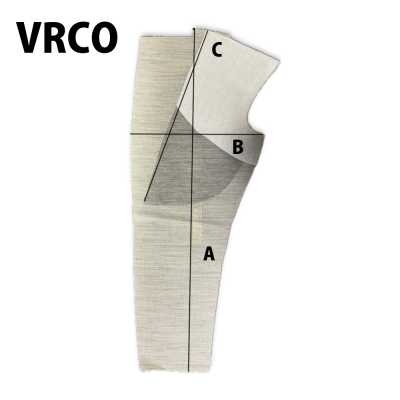
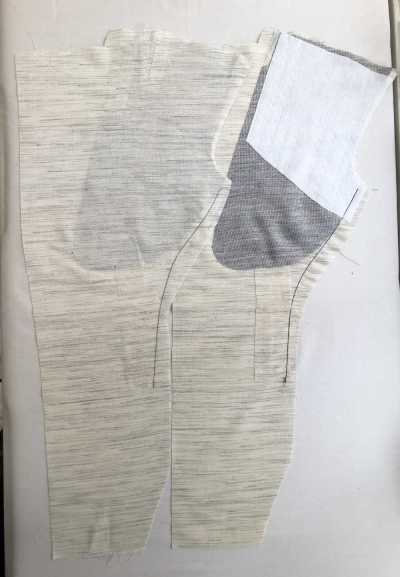
The main areas of use are the front body, chest, lapel, and collar area of a tailored jacket. By placing interlining in the front body, it supports the chest shape, the stability of the front edge, and the natural appearance of the roll line, which is the line where the lapel folds back.
At the shoulder and armhole, shoulder pads, chest canvas, and sleeve head wadding may be combined. Because each is stitched in place to shape the garment, the aim is not to make it flat and stiff, but to achieve both ease that follows the wearer’s body and a structured form.
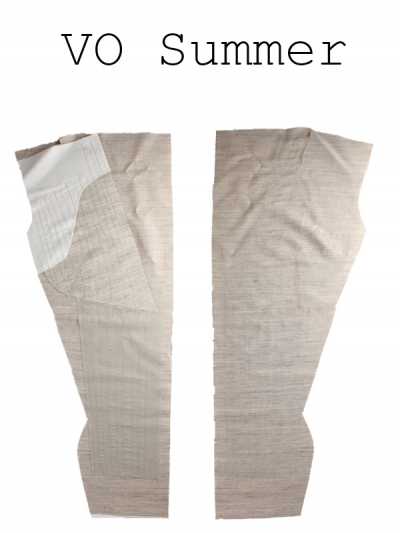
- Full canvas is a specification that uses haircloth interlining over a wide area of the front body.
- Half canvas is generally a specification that uses haircloth interlining mainly around the chest and lapel area, with fusible interlining or similar materials used together in the lower section.
- The range of interlining and the composition of auxiliary materials vary by brand and factory specification, so check the specification sheet.
Materials and Types
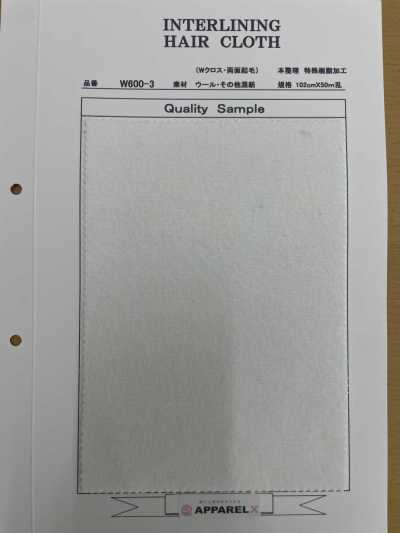
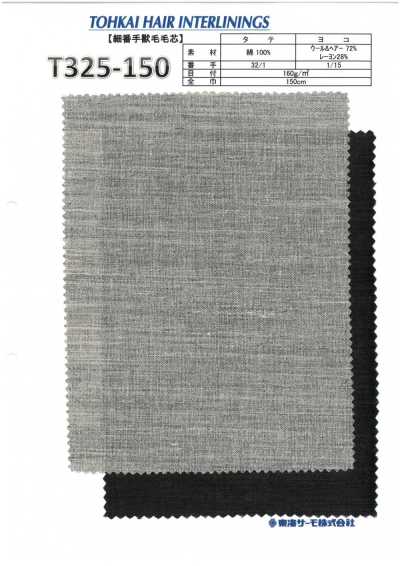
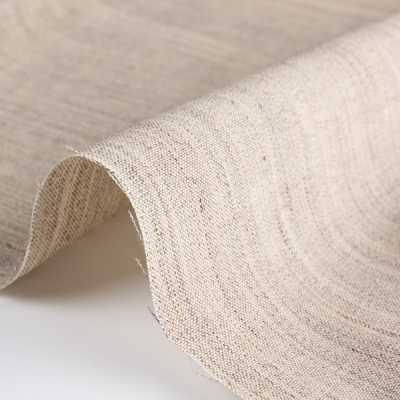
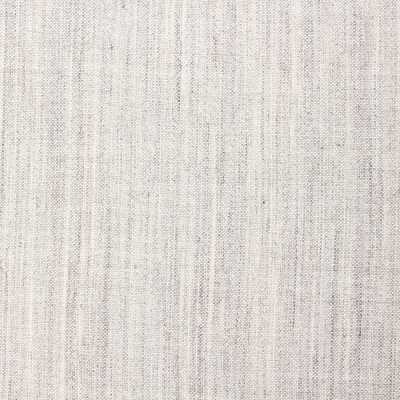
Haircloth interlining is basically a woven material that includes animal hair, and may combine cotton, linen, rayon, synthetic fibers, and other materials. Depending on the weave, density, thickness, and firmness, its support, flexibility, and ease of shaping with steam will vary.
In tailoring, haircloth interlining alone is not used to complete the garment; instead, bust canvas, chest canvas, under collar felt, and other materials may be layered by area. To make the most of the outer fabric’s texture, it is important to design not only the material composition of the interlining, but also the layering and stitching method.
Compatibility with Outer Fabric and How to Choose
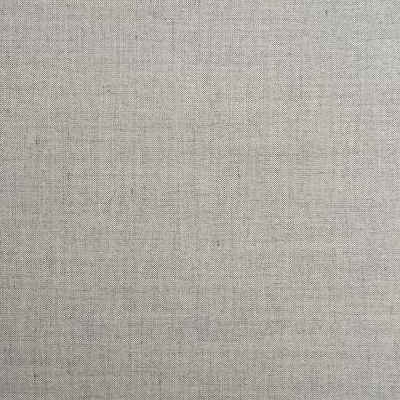
Interlining is selected according to the thickness, firmness, stretch, and drape of the outer fabric. For thin, soft wool or wool-cashmere blends, a core material that is not too stiff and has good followability is suitable. On the other hand, for firm outer fabrics, choose an interlining that provides the necessary support.
If the interlining is too thick or too stiff, the lapel or front edge may stand out unnaturally. Conversely, if it is too weak, the chest’s three-dimensional shape and front-edge stability will be insufficient. Prototypes including the outer fabric, lining, and pad materials are used to check the appearance and mobility when worn.
- Check whether the interlining is neither too hard nor too soft for the fabric weight, firmness, and body of the outer fabric.
- Check whether the interlining can follow the stretch and bias-direction movement of the outer fabric.
- Check the lapel roll, chest shape, and front-edge balance on the dress form and when worn.
- For products intended for washing or dry cleaning, also check the shrinkage difference between the outer fabric and interlining.
Adhesion and Sewing Precautions
Even in haircloth interlining tailoring, fusible interlining may be used together in the lower front body or facings. In this case, set bonding conditions that suit both the outer fabric and the interlining, and test in advance to make sure peeling, bubbling, bleed-through, or fading do not occur.
Haircloth interlining changes in appearance depending on stitching position, easing, pad stitching, and shaping with an iron. Manage the process to avoid seam shrinkage and pulling, and to prevent left-right differences. Care must also be taken with overlap and finishing so that the step at the edge of the interlining does not show through the outer fabric.
Frequently Asked Questions
What is the difference between full canvas and half canvas?
Full canvas is a specification that uses haircloth interlining over a wide area of the front body, while half canvas uses haircloth interlining mainly around the chest and lapel area, with fusible interlining used together in the lower section and other areas. However, the range of interlining and the combination of auxiliary materials differ by factory and brand, so check the specification sheet.
Is fusible interlining not used in haircloth interlining tailoring?
Fusible interlining may also be used together in haircloth interlining tailoring. Haircloth interlining creates the three-dimensional form of the chest and lapel, while facings, the front edge, and the lower front body are stabilized with fusible interlining as needed. Not only whether adhesion is used, but also which interlining is fixed to which area and how, determines the characteristics of the tailoring.