Hem Interfacing
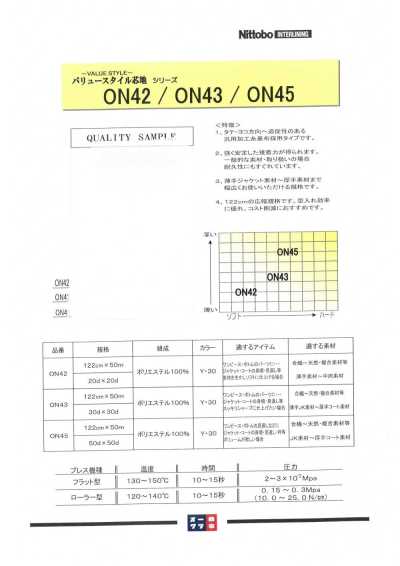
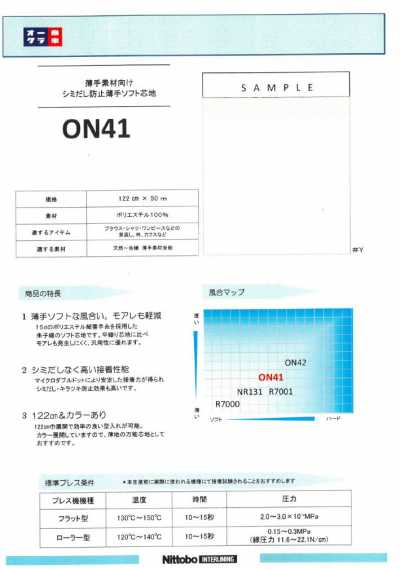
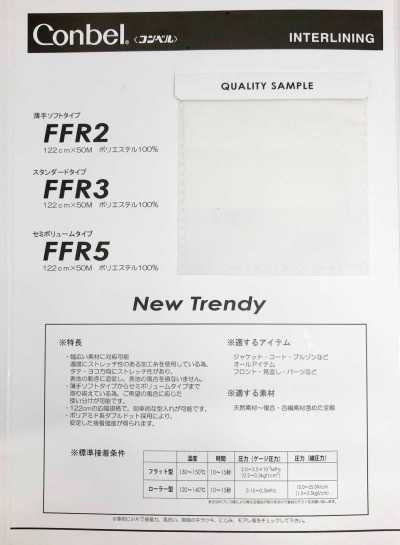
Hem interfacing is interlining used on folded edge areas such as skirt hems, pants hems, and cuffs to shape the hem, prevent stretching and sagging, and maintain a clean silhouette.
Contents6 sections
Definition and Overview
Hem interfacing is interlining used to reinforce folded hem sections and edge areas of garments. By fusing it to the inside of the outer fabric or sewing it in, it gives the hemline appropriate stability and helps prevent loss of shape from wear and washing.
Although the name includes hem, depending on specifications and the production site, interfacing used at shirt and blouse cuffs may be called cuff interfacing. It is a name that indicates the application area and does not specify the material or bonding method.
Application Areas and Role
It is mainly used on the hems of skirts, dresses, pants, jackets, coats, and similar items. Its purpose is to control sagging when the hem is turned up and to stabilize the seam allowance and blind stitch area.
On lightweight fabrics, it helps suppress waviness and stretching at the hem, while on heavier fabrics it helps shape the folded edge. It may also be used to add firmness for design purposes, but making it too stiff will detract from the natural drape of the hem.
- Suppressing flare and waviness at skirt and dress hems
- Maintaining the shape of pant hems and reinforcing the turned-up section
- Stabilizing hem lines on jackets and coats
- Reinforcing narrow edge areas such as shirt and blouse cuffs
Materials and Types
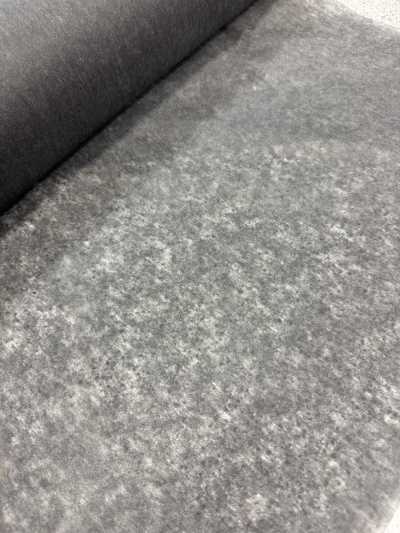
Hem interfacing includes fusible interlining, which is applied with adhesive using heat and pressure, and non fusible interlining, which is sewn in. Fusible interlining can simplify the process, while non fusible interlining is considered when you want to take advantage of the outer fabric's hand and stretch.
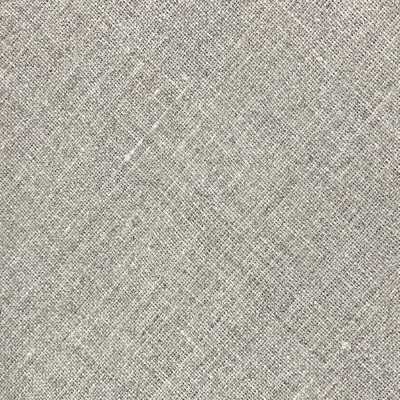
The base cloth may be nonwoven, woven, or knit, and is selected according to the required firmness, adaptability, and washing durability. Even at the same thickness, the structure of the base cloth and the amount of resin will change the stiffness, stretch, and hand after bonding.
Selection and Precautions for Bonding and Sewing
If you choose interfacing that is significantly thicker or stiffer than the outer fabric, steps or fading may appear at the hem, or the outline of the interfacing may show through on the face side. For lightweight fabrics or fabrics with a soft drape, use a thin, soft type; for firmer outer fabrics, use one that provides the necessary shape retention.
When using fusible interlining, perform a trial bond with scraps of the outer fabric and interfacing, and confirm the specified temperature, time, and pressure. Insufficient bonding can cause lifting of the interfacing, while excessive heat or pressure can lead to shine, shrinkage, or changes in hand, so care is required.
During cutting, check the grain direction of both the outer fabric and the interfacing, and make sure that unnecessary tension does not appear in curved hems or bias sections. After sewing, handle the garment so the outer fabric is not pulled, and check the finished appearance where seam allowance thickness becomes concentrated.
Differences from Similar Terms
Hem interfacing is a term based on the application area. Fusible interlining is the general term for interlining bonded with adhesive, and fusible interlining may be used as hem interfacing. Non fusible interlining refers to interlining that is sewn in without bonding.
Waist interlining is interlining used to stabilize the waistband area of pants or skirts, and collar interlining is used to maintain collar shape. Cuff interlining refers to interlining for cuffs, and even when the same kind of interlining is used as hem interfacing, the purpose and application area differ.
Frequently Asked Questions
Does hem interfacing always use fusible interlining?
Not necessarily. Fusible interlining is often used in mass-produced garments, but depending on the hand of the outer fabric, sensitivity to heat, stretch, and tailoring specifications, non fusible interlining may also be sewn in. The combination of outer fabric and interfacing is determined through testing.
What problems can occur if hem interfacing is too stiff?
The hem may stand out unnaturally, the edge of the interfacing may show through on the face side, or fading may appear at the folded section. This is especially noticeable on lightweight fabrics, soft materials, and hems on the bias, so check not only thickness but also the stiffness after bonding and how well it follows the outer fabric.
What should be checked when bonding hem interfacing?
Before full production, trial bond the outer fabric and interfacing under the same conditions and check bonding strength, lifting, wrinkles, shrinkage, and surface shine. For products intended to be washed or dry-cleaned, it is important to confirm that there is no peeling or change in appearance after treatment.