Linen Canvas
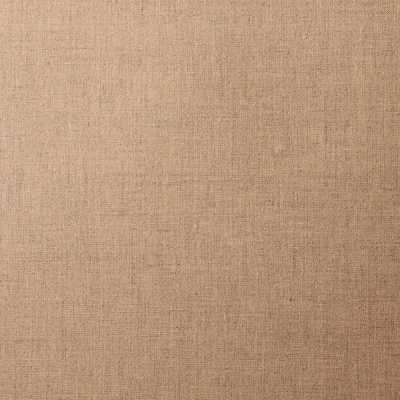
Linen canvas is a woven interfacing made primarily from linen and used in the front body and collar of jackets and other garments to create structure, prevent loss of shape, and support the outer fabric.
Contents6 sections
Definition and Overview
Linen canvas is a woven interlining made from linen fibers. Inserted on the inside of the outer fabric, it supports the garment’s outline and fullness and helps maintain its shape when worn. Unlike fusible interlining, which is bonded with adhesive, it is often used as a non fusible interlining that is sewn in place.
“Canvas” may refer to interlining, and linen canvas is also called linen canvas. However, because the term may also include materials blended with fibers other than linen, or linen-wool canvas combined with wool, it is necessary to confirm the blend ratio and tailoring specifications.
Areas of Use and Role
It is mainly used in tailored jackets, coats, formal wear, and similar garments, in the front body from the chest to the hem, as well as the lapel and collar area. It reinforces the raised chest volume, lapel roll, and front-edge stability that are difficult to maintain with the outer fabric alone.
The thickness and firmness of the interlining are varied by area, combining support for the chest area with shape-retaining or stretch-preventing interlining for the front edge and collar. The goal is to give the garment moderate firmness and recovery while preserving the feel of the outer fabric.
- Front body: supports chest volume and overall shape retention.
- Lapel: stabilizes the roll line and creates a natural roll.
- Collar: maintains the shape of the collar stand and collar points.
- Facing and front edge: suppresses stretching and waviness and stabilizes the opening and closing area.
Materials and Types
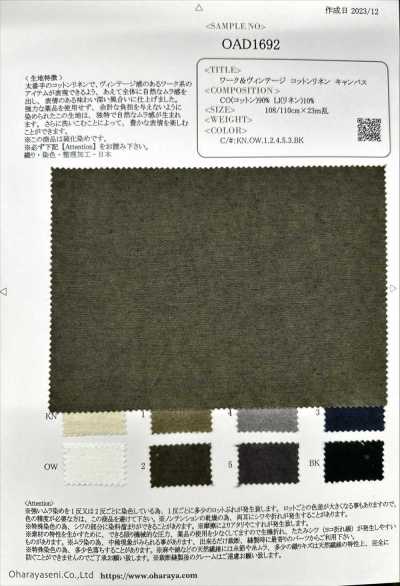
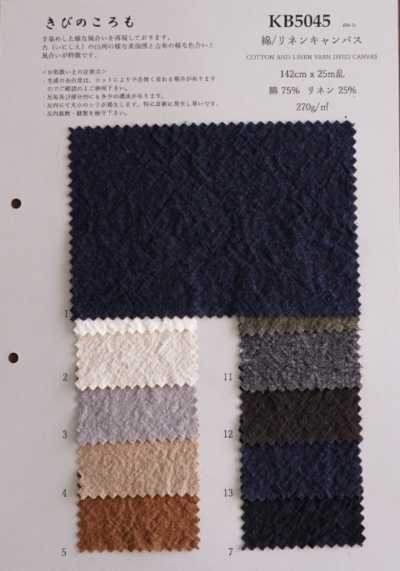
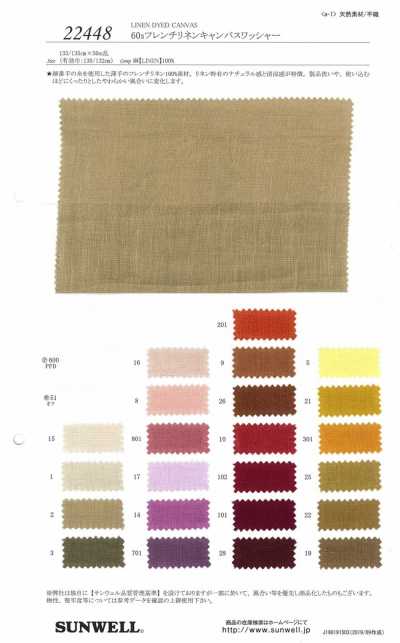
Linen canvas is a woven interlining that makes use of linen’s distinctive firm fiber feel and breathability. Depending on the weave structure, such as plain weave, the yarn thickness, and the weave density, the texture ranges from thin and soft to thick and firm.
Linen-wool canvas is an interlining that uses the resilience and familiar feel of wool in addition to linen’s supporting qualities. Since the composition and firmness of linen canvas, linen-wool canvas, and wool canvas cannot be determined from the name alone, thickness, stretch, and recovery should be checked with an actual sample.
How to Choose and Compatibility with the Outer Fabric
As a rule, the interlining should not be stronger than the outer fabric, and it should be selected to match the silhouette you want to achieve. If a firm linen canvas is combined with a thin or soft outer fabric, the outline of the interlining may show through the surface, or the natural drape may be lost.
For tailored outer fabrics such as wool, choose linen canvas or linen-wool canvas according to the thickness, firmness, and stretch of the outer fabric. For lightweight tailoring, use thin and flexible types; for structured tailoring, use types with higher holding power, and adjust the layering by area.
- Check the balance between the thickness of the outer fabric and the interlining.
- Check the grain line and stretch direction of the interlining against the stretch of the outer fabric.
- Confirm with a prototype that the weave or ridges of the interlining do not show through the outer fabric.
- Taking laundering or dry cleaning into account, confirm the difference in dimensional change between the outer fabric and the interlining.
Bonding and Sewing Considerations
Linen canvas is often sewn in place, and shape is built while blending it into the outer fabric through hand pick stitching and similar methods. In processes that shape the garment with an iron or steam, test in advance with offcuts to ensure that excessive heat or moisture does not cause shrinkage, distortion, or changes in texture.
If fusible interlining is used additionally as a support, confirm that the adhesive resin, temperature, time, and pressure are suitable for both the outer fabric and the linen canvas. To avoid problems such as puckering of the outer fabric after sewing, floating interlining, or hard seams, the grain line of the interlining and the stitching position are also important.
Frequently Asked Questions
What is the difference between linen canvas and wool canvas?
Linen canvas is a woven interlining made mainly from linen and is an interlining that readily provides a firm supporting feel. Wool canvas generally refers to an interlining made with wool, taking advantage of its resilience and familiarity. However, because properties change depending on blends and product design, compare not only the name but also the composition, thickness, firmness, and tailoring sample.
Can linen canvas be used as fusible interlining?
Linen canvas is mainly used as a non fusible interlining sewn in place, but there are tailoring methods that also use fusible interlining together with it. Linen canvas itself does not always have adhesive resin attached. If bonding is performed, confirm in advance through testing whether it is suitable for adhesion to the outer fabric, shrinkage, surface impression, and strike-through.
Can linen canvas be used in garments that are machine washable at home?
Whether it can be used depends on the composition of the linen canvas, finishing treatment, outer fabric, sewing specification, and the product’s washing method. Because differences in shrinkage between the outer fabric and the interlining can cause loss of shape and wrinkling, test under the intended washing conditions and, if necessary, consider pre-shrunk interlining or a different specification.