


Knit Tie
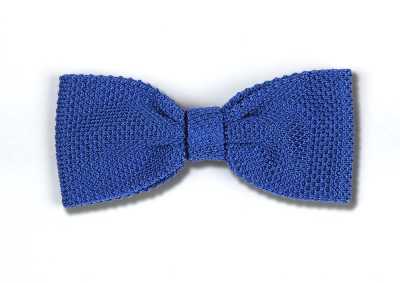
A knit tie is a necktie made by knitting yarn, characterized by a visible knitted surface and soft dimensional texture, and worn mainly tied at the collar of a shirt.

Contents6 sections
Definition and Overview
A knit tie is a tie made from a knitted fabric or a knit-like structure, unlike a typical woven necktie. It is characterized by a knitted surface and a texture that gives a sense of irregularity and stretch. It is used for everything from business wear to neat casual outfits with a jacket.
“Knit” is not a material name, but mainly a term that indicates structure and appearance. Products may use silk, wool, cotton, polyester, and other materials, and the type of fiber, yarn thickness, and knitting density affect the sheen, thickness, seasonal feel, and tying comfort.
Shape, Parts, and How to Tie
Many knit ties have a wide end and a narrow end and are designed to be placed around the neck and tied. The wide end refers to the broad front end that is shown at the front, while the narrow end refers to the slim end that goes around the back. In addition to pointed tips, square ends cut straight across are also commonly seen.
Compared with neckties that are shaped using interfacing and lining like a typical tie, knit ties are often made in a relatively light construction that makes use of the texture of the knit. When tied, the knot should not be made unnecessarily large; a smaller knot such as the plain knot is used to keep the knitted surface neat and visible.
- If the narrow end is left too long, tuck it into the keeper or, depending on the product specifications, behind the wide end.
- If the knot is tightened too much, the knit may stretch or the stitches may appear compressed.
Material and Finish Features
Silk versions tend to make the most of sheen and color depth, while wool versions tend to create a warm look. Cotton versions are good for creating a dry, casual impression, and polyester versions are used when handling properties and color/pattern options are important. Blended materials combine the characteristics of each fiber.
Loose stitches can look light and expressive, but care is needed to avoid snagging and losing shape. Dense knits tend to keep a clean outline, but they may become thicker and the knot may grow larger. In addition to color, the tip shape, stitch size, and thickness are also factors in selection.
Styling and Formality
Knit ties look best with solid shirts or shirts with subtle patterns, where the texture of the knit stands out. They work well with wool jackets, tweed-style jackets, casual suits, and can be used for daytime business casual, dinner gatherings, and outfits leaning toward semiformal wear.
On the other hand, for formal ceremonies, events that strongly require formality, funerals, or black-tie attire with a tuxedo, it is safer to choose a typical woven necktie or the specified bow tie. Even at weddings, decisions should be based on the venue's level of formality, the time of day, and the dress code stated on the invitation.
Choosing and Care Notes
When choosing one, check the balance between the shirt collar opening and the size of the knot. Thick, wide knit ties tend to make a strong visual statement, while slim styles with dense knitting give a relatively neat impression. If the jacket or shirt has a pattern, it is easier to coordinate by keeping the tie's number of colors and the presence of the knit texture understated.
For storage, untie the knot and let it rest in a place with little chance of snagging. Leaving it hanging on a hanger for a long time may cause it to stretch under its own weight, so folding or rolling it for storage is suitable. Whether washing or ironing is allowed depends on the material and product specifications, so follow the care label.
Frequently Asked Questions
Can a knit tie be used for a formal wedding?
It can be an option for casual receptions or after-parties with no dress code, but it should be chosen more conservatively for formal ceremonies and receptions. Whether day or night, if the invitation specifies black tie or similar attire, prioritize a bow tie or necktie that is suitable for that dress code.
What is the difference between a knit tie and a regular necktie?
The main difference is the fabric structure and appearance. Regular neckties are often made from woven fabric with interfacing, whereas knit ties are characterized by the uneven texture of the knit and a softer feel. For that reason, knit ties generally give a more relaxed impression.
Can stretching and snagging on a knit tie be prevented?
The basics are to avoid tightening the knot too much and to always untie the tie and let it rest after wearing. Coarser stitches are more likely to snag on accessories or hook and loop fasteners, so avoid contact. For washing and repairs, check the material label and the handling instructions for each product.





